
Can Quitting Smoking Reverse Lung Damage?
Can Quitting Smoking Reverse Lung Damage? A Comprehensive Look
Introduction: Smoking has been a widely discussed public health issue for decades. While the adverse effects of smoking on the body are well-known, many people are curious about whether quitting smoking can reverse lung damage. In this article, we will explore the potential for lung damage reversal through smoking cessation and provide insights based on scientific research and expert opinions.
Section 1: Understanding Lung Damage Lung damage caused by smoking is primarily due to the harmful chemicals present in tobacco smoke. These chemicals can cause inflammation, irritation, and scarring in the lungs, leading to various respiratory conditions such as chronic obstructive pulmonary disease (COPD), emphysema, and bronchitis. Understanding the extent of lung damage is crucial in determining whether quitting smoking can reverse it.
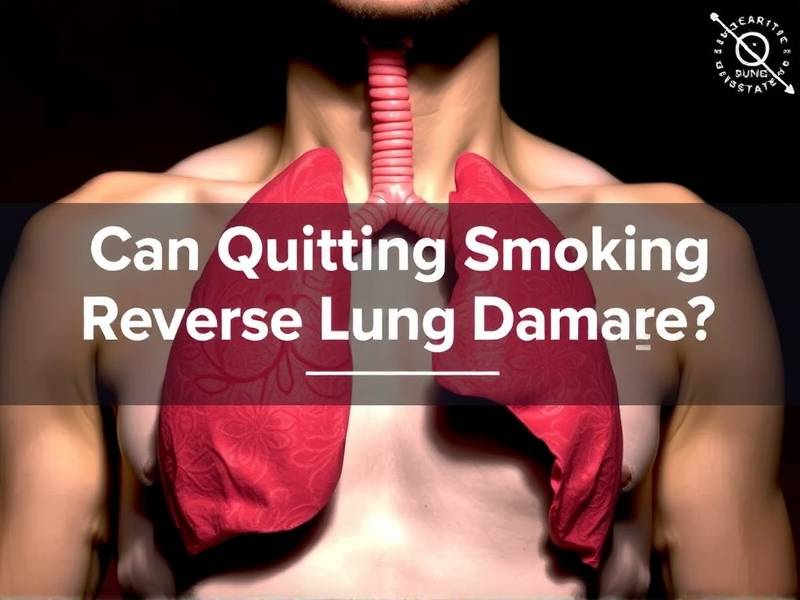
Section 2: The Healing Process When a person stops smoking, their body begins to heal. The rate at which healing occurs varies from person to person, but several studies have shown that quitting smoking can lead to significant improvements in lung function over time.
Subsection 2.1: Immediate Benefits Within days of quitting smoking, the carbon monoxide levels in your blood begin to decrease, improving oxygen supply to your body's tissues. This immediate change can help alleviate shortness of breath and increase energy levels.
Subsection 2.2: Long-term Benefits Over time, quitting smoking can lead to a gradual reversal of lung damage. Some potential benefits include:
- Decreased risk of developing COPD and other respiratory conditions.
- Improved lung capacity and reduced risk of heart disease.
- Decreased risk of stroke.
- Reduced risk of developing cancer.
Section 3: Factors Affecting Healing While quitting smoking is a significant step towards reversing lung damage, it's essential to recognize that healing is influenced by various factors:
Subsection 3.1: Duration of Smoking The longer a person has smoked and the more cigarettes they have smoked daily, the more extensive the lung damage may be. However, even long-term smokers can experience improvements in their lung function after quitting.

Subsection 3.2: Age Younger individuals may recover faster than older individuals due to their bodies' natural healing abilities.
Subsection 3.3: Genetic Factors Some individuals may have a genetic predisposition that affects their ability to heal from smoking-related lung damage.
Conclusion: Quitting smoking is a powerful step towards reversing lung damage caused by tobacco use. While healing may take time and vary among individuals, scientific evidence suggests that it is possible for many people who quit to experience improvements in their lung function and overall health. By understanding the factors influencing healing and seeking support from healthcare professionals or support groups, individuals can increase their chances of successfully reversing lung damage through smoking cessation.