
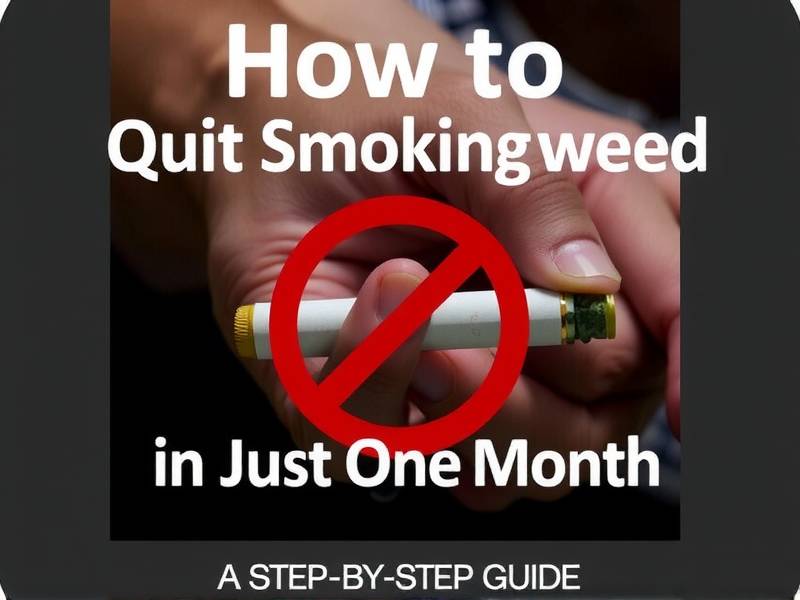
How to Quit Smoking Weed in Just One Month: A Step-by-Step Guide
Embarking on a journey to quit smoking weed can be challenging, but with the right approach and dedication, it's entirely achievable within a month. Whether you're motivated by health concerns, personal goals, or simply a desire for change, this comprehensive guide will help you navigate the process smoothly.
Understanding the Challenge
Before diving into the steps, it's crucial to understand why quitting weed is a significant decision. The psychological and physical dependencies that come with regular use can make withdrawal symptoms quite uncomfortable. However, recognizing the benefits of quitting—improved health, clearer thinking, and more time and money—can provide the motivation needed to succeed.
Step 1: Commitment
The first step is making a firm commitment to quit. This involves setting a clear date for when you'll stop smoking and informing friends and family about your decision. Having a support system in place can significantly increase your chances of success.
Step 2: Identify Triggers
Triggers are situations or emotions that make you want to smoke weed. Identifying these triggers is essential because once recognized, you can develop strategies to avoid or cope with them effectively.
Common Triggers:
- Social gatherings
- Stressful situations
- Boredom
- Routine breaks
Step 3: Develop Alternatives
Finding healthy alternatives to smoking weed is key during your quitting journey. These alternatives can distract you from cravings and provide positive reinforcement for your efforts.

Alternatives:
- Exercise
- Meditation
- Hobbies like reading or painting
- Mindfulness practices
Step 4: Manage Withdrawal Symptoms
Withdrawal symptoms can range from mild (like irritability) to severe (like insomnia). Understanding what to expect and having coping strategies in place can make this phase more manageable.
Coping Strategies:
- Get plenty of rest
- Stay hydrated
- Practice relaxation techniques like deep breathing or yoga
- Seek professional help if needed
Step 5: Create a Support System
A strong support system is invaluable during this time. This could include friends, family members, or even joining a support group specifically for those looking to quit smoking weed.
Step 6: Monitor Progress
Keep track of your progress by journaling or using an app designed for habit tracking. Celebrate small victories along the way to stay motivated.
Step 7: Stay Positive
Maintaining a positive mindset is crucial. Remember that quitting is an ongoing process, and setbacks are normal. Be patient with yourself and focus on the long-term benefits of being weed-free.
Conclusion
Quitting smoking weed in just one month requires commitment, determination, and effective strategies. By understanding the challenges ahead and taking proactive steps towards overcoming them, you can successfully navigate this journey towards a healthier lifestyle. Remember that every step counts, and with persistence and support, you'll achieve your goal of being smoke-free in no time!