
Why Do I Cough a Lot After Quitting Smoking? The Science Behind the Symptoms
Understanding the Post-Quitting Cough
Quitting smoking is a significant decision that can lead to a healthier life. However, it's not uncommon to experience unexpected symptoms after giving up the habit. One of the most common issues reported is an increase in coughing. This article delves into the science behind this symptom and why it happens.
The Body's Response to Smoking Withdrawal
1. The Role of Nicotine
Nicotine, the primary addictive substance in cigarettes, affects the body's respiratory system. It causes constriction of the airways and reduces mucus production, leading to easier breathing for smokers. When you quit smoking, your body starts to adjust to this change.
2. The Body's Natural Healing Process
As you stop smoking, your body begins to heal itself from years of tobacco exposure. This healing process often manifests as a cough due to increased mucus production and inflammation in the lungs.
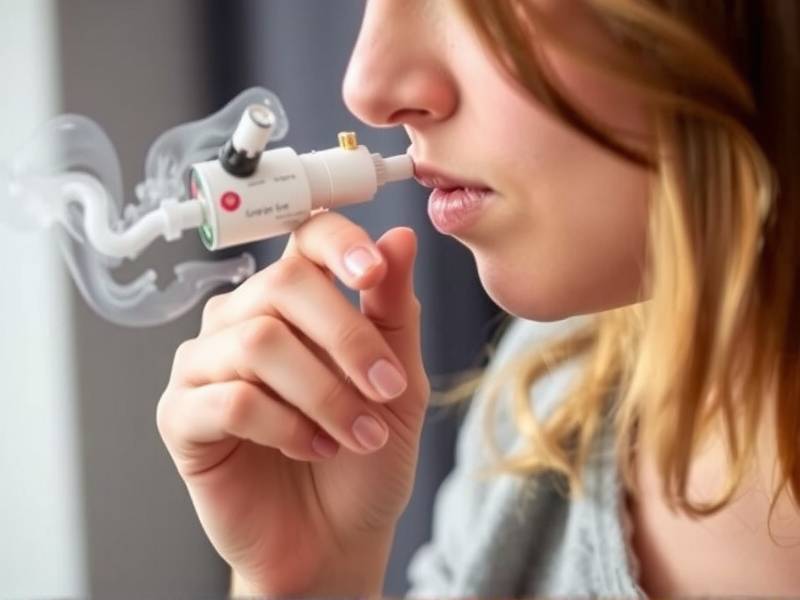
Common Symptoms After Quitting Smoking
1. Increased Mucus Production
When you quit smoking, your body produces more mucus as it tries to clear out accumulated tar and toxins from the lungs. This excess mucus can trigger coughing.
2. Lung Inflammation
The inflammation of lung tissues due to withdrawal from nicotine can also lead to coughing as your body attempts to repair itself.
How Long Does It Last?
The intensity and duration of these symptoms can vary from person to person. Some individuals may experience a post-quit cough for several weeks or even months after quitting smoking.
How Can I Manage My Cough?
1. Stay Hydrated
Drinking plenty of fluids helps thin out mucus, making it easier for your body to expel it through coughing.
2. Use Steam Therapy
Breathing in steam can help relax your airways and reduce inflammation, thereby reducing coughing.
3. Avoid Irritants
Stay away from smoke, dust, pollen, and other irritants that can exacerbate your cough.
Seek Professional Advice If Needed
If your cough persists or becomes severe, it's essential to consult a healthcare professional who can provide appropriate guidance and treatment.

Conclusion
Quitting smoking is a journey filled with challenges and unexpected symptoms like increased coughing are part of this process. Understanding why these symptoms occur can help you manage them effectively and stay motivated on your path towards a healthier lifestyle. Remember that every step towards quitting is progress; be patient with yourself as your body adjusts to its new smoke-free state.