
Can You Lose Weight When Quitting Smoking? The Science Behind the Connection
Can You Lose Weight When Quitting Smoking? The Science Behind the Connection
Introduction: The decision to quit smoking is a significant step towards a healthier lifestyle. Many smokers are motivated by the desire to improve their health, and one of the most common concerns is whether quitting smoking can lead to weight loss. This article delves into the science behind this connection, providing insights into how quitting smoking can impact your weight.

1. The Role of Nicotine in Weight Gain: Nicotine, the primary addictive substance in cigarettes, affects the body's metabolism in various ways. It increases heart rate and blood pressure, leading to an increase in energy expenditure. Additionally, nicotine stimulates the release of adrenaline, which can cause a temporary surge in energy and appetite suppression.
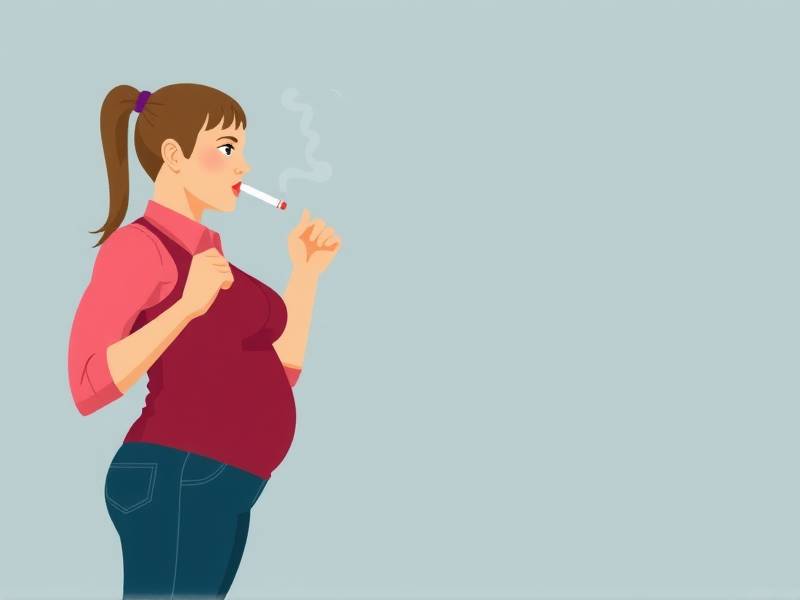
However, when you quit smoking, these effects diminish. As a result, many individuals experience a decrease in their metabolic rate and increased appetite, which can lead to weight gain. It is essential to understand that this weight gain is often temporary and can be managed through healthy lifestyle changes.
2. The Body's Response to Withdrawal: Quitting smoking triggers withdrawal symptoms that can affect your body's hormone levels and appetite regulation. One of the most significant changes occurs in ghrelin levels—a hormone that stimulates hunger—often leading to increased cravings for food.
Moreover, dopamine levels decrease during withdrawal, which can also contribute to food cravings and emotional eating. However, as your body adjusts to life without nicotine, these hormone levels stabilize, reducing cravings and promoting a more balanced appetite.
3. Strategies for Managing Weight Gain: While quitting smoking may lead to temporary weight gain for some individuals, there are strategies you can adopt to manage this:
- Increase Physical Activity: Regular exercise can help boost your metabolism and reduce weight gain associated with quitting smoking.
- Maintain a Balanced Diet: Focus on nutrient-rich foods that keep you feeling full while providing essential vitamins and minerals.
- Stay Hydrated: Drinking plenty of water can help curb hunger pangs and improve overall health.
- Seek Support: Joining support groups or seeking professional help from a nutritionist or therapist can provide guidance on managing weight gain during quitting.
Conclusion: Quitting smoking is an important step towards improving your health. While it may lead to temporary weight gain for some individuals due to changes in metabolism and hormone levels, adopting healthy lifestyle changes can help manage this effect. Remember that the benefits of quitting smoking far outweigh any potential drawbacks related to weight gain. Embrace this journey towards better health with determination and support from friends, family, or professionals who specialize in tobacco cessation programs.