
How to Improve Your Lungs After Quitting Smoking: Effective Tips and Exercises
Understanding the Impact of Smoking on Your Lungs
Quitting smoking is a significant step towards improving your health, especially your lung function. Smoking damages the lungs, leading to various respiratory issues. However, it's never too late to start healing them. This article will provide you with effective tips and exercises to help improve your lungs after quitting smoking.
The Importance of Breathing Exercises
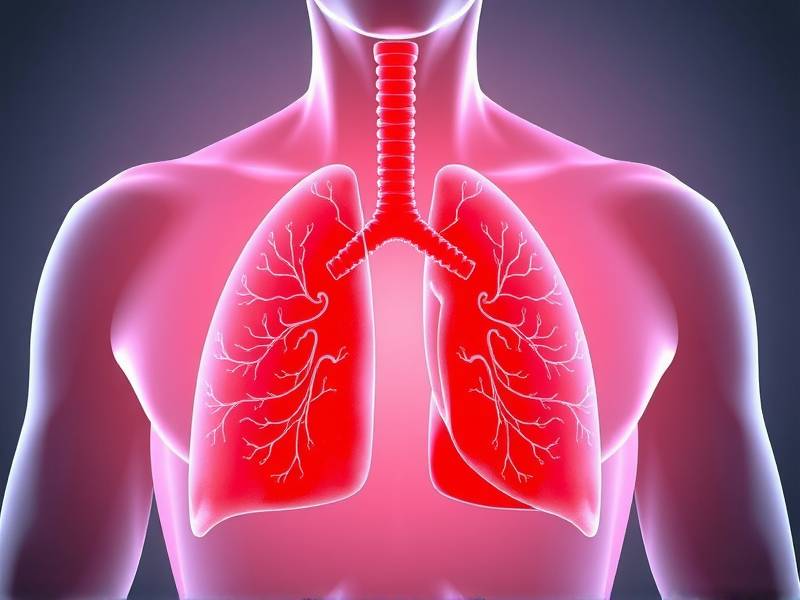
One of the most effective ways to improve lung function is through breathing exercises. These exercises can help increase lung capacity, enhance oxygen flow, and reduce respiratory symptoms. Here are some popular breathing exercises for smokers:
1. Diaphragmatic Breathing
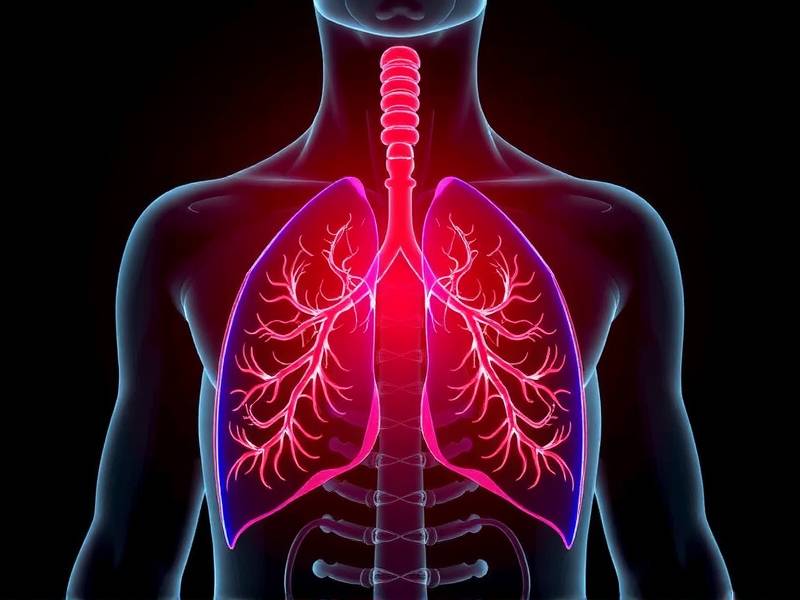
Diaphragmatic breathing involves using your diaphragm instead of your chest muscles to breathe deeply. This technique can improve lung capacity and reduce stress levels.
How to do it:
- Lie down on your back with your knees bent and feet flat on the floor.
- Place one hand on your chest and the other on your abdomen.
- Inhale slowly through your nose, allowing your abdomen to rise.
- Exhale through pursed lips while gently pressing down on your abdomen.
2. Pursed Lip Breathing
Pursed lip breathing is a simple technique that can help you breathe more slowly and deeply during exercise or when experiencing shortness of breath.
How to do it:
- Inhale slowly through your nose.
- Pucker your lips as if you were whistling.
- Exhale slowly through pursed lips while counting to four.
Tips for Improving Lung Health After Quitting Smoking
In addition to breathing exercises, here are some tips that can help improve lung health after quitting smoking:
1. Stay Hydrated
Drinking plenty of water helps keep the mucus in your lungs thin and easier to expel. Aim for at least eight glasses of water per day.
2. Avoid Exposure to Pollutants
Exposure to air pollutants such as smoke, dust, and chemicals can worsen respiratory issues. Try to minimize exposure by avoiding smoky areas and wearing masks when necessary.
3. Exercise Regularly
Regular exercise can help improve lung function by increasing cardiovascular fitness and promoting better oxygen exchange in the lungs.
4. Get Adequate Sleep
Adequate sleep is crucial for overall health, including respiratory health. Aim for seven to nine hours of quality sleep each night.
Conclusion
Improving lung health after quitting smoking requires patience and dedication. By incorporating these tips and exercises into your daily routine, you can gradually restore lung function and enjoy a healthier life. Remember that quitting smoking is a journey worth taking for the sake of your lungs and overall well-being!