
How Long Will Gums Bleed After Quitting Smoking?
Understanding the Duration of Gum Bleeding After Smoking Cessation
Introduction: Quitting smoking is a significant step towards a healthier lifestyle. However, many individuals who have quit smoking may experience gum bleeding as a side effect. In this article, we will explore how long gums may bleed after quitting smoking and provide you with valuable insights to manage this common concern.
How Long Do Gums Bleed After Quitting Smoking?
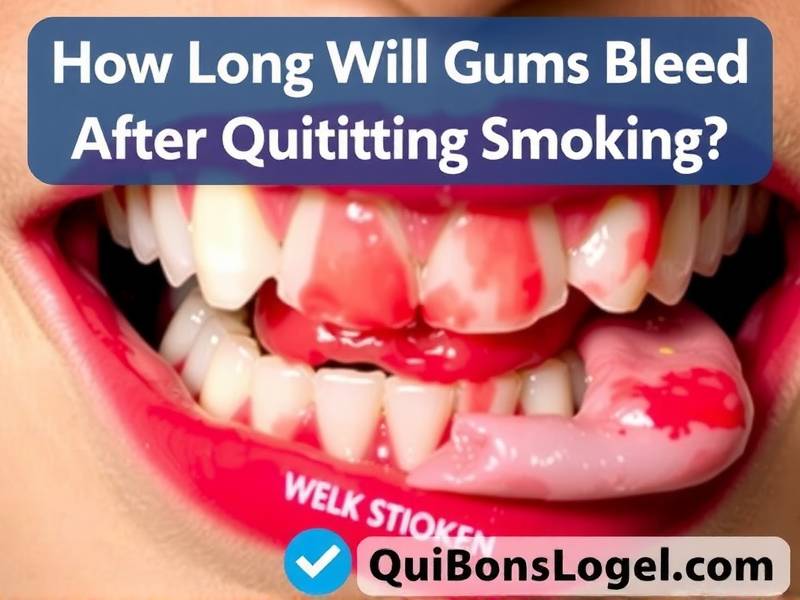
Gum bleeding after quitting smoking can occur for varying durations. Typically, it is expected to last from a few days to several weeks. However, the exact duration depends on several factors, including the severity of gum disease before quitting and the individual's overall oral hygiene habits.
-
Initial Gum Bleeding: In the initial days after quitting smoking, you may notice slight gum bleeding when brushing or flossing. This is due to the body's healing process and the reduction in inflammation caused by quitting smoking.
-
Healing Process: As your gums begin to heal, gum bleeding may persist for a few weeks. The body needs time to repair any damage caused by years of smoking and restore healthy gum tissue.
-
Long-term Healing: With consistent oral hygiene practices and regular dental check-ups, most individuals experience complete healing of their gums within a few months to a year after quitting smoking.
Factors Influencing Gum Bleeding Duration:
Several factors can influence how long gums may bleed after quitting smoking:
a) Severity of Gum Disease: Individuals with advanced gum disease may experience prolonged gum bleeding compared to those with mild gum disease.
b) Oral Hygiene Practices: Maintaining good oral hygiene practices, such as regular brushing and flossing, can help reduce the duration of gum bleeding.
c) Genetic Factors: Some individuals may have genetic predispositions that make their gums more susceptible to bleeding after quitting smoking.
d) Age: Older individuals may experience longer healing periods due to slower tissue repair processes.
Managing Gum Bleeding After Quitting Smoking:
To manage gum bleeding after quitting smoking, consider the following tips:
a) Brush Your Teeth Gently: Use a soft-bristled toothbrush and gentle strokes while brushing your teeth.
b) Floss Regularly: Flossing helps remove food particles and plaque between teeth that can exacerbate gum bleeding.
c) Use Mouthwash: An antiseptic mouthwash can help reduce inflammation and promote healing in your gums.
d) Visit Your Dentist Regularly: Regular dental check-ups can help monitor your gum health and provide professional advice on managing gum bleeding.
Conclusion:
Quitting smoking is an essential step towards better health, but it comes with certain challenges like gum bleeding. Understanding how long gums may bleed after quitting smoking and adopting effective oral hygiene practices can help you navigate through this phase successfully. Remember, patience and consistency are key in achieving healthy gums post-smoking cessation.