
Does Quitting Smoking Really Make Your Stomach Hurt? A Comprehensive Guide to the Physical and Emoti
Introduction: The Dilemma of Smoking Cessation
The decision to quit smoking is often met with a myriad of challenges, both physical and emotional. One common concern among smokers is whether giving up the habit will lead to stomach pain. This article aims to delve into this issue, providing a comprehensive guide to the physical and emotional effects of smoking cessation.
The Physical Effects: What Happens When You Quit Smoking?
Stomach Pain: Fact or Myth?
The belief that quitting smoking causes stomach pain is widespread, but is it true? According to experts, stomach pain can indeed occur during the quitting process. However, it's not a direct result of quitting smoking; rather, it's often due to other factors.
Understanding the Body's Response
When you stop smoking, your body goes through a period of adjustment. This adjustment can manifest in various ways, including stomach discomfort. Here's why:
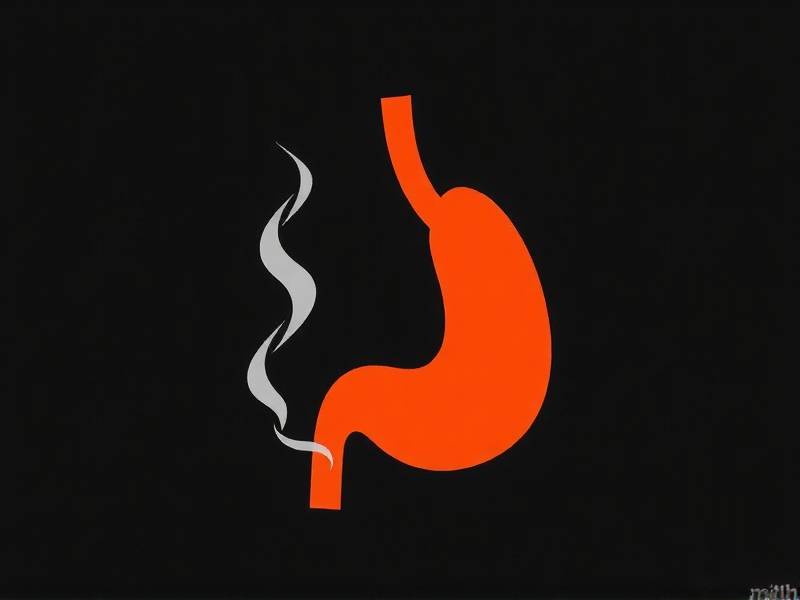
- Nervous System Overactivity: Quitting smoking leads to increased activity in the nervous system, which can cause indigestion and stomach pain.
- Increased Blood Flow: Your body starts to circulate more blood without nicotine's constricting effects. This increased blood flow can lead to discomfort in some individuals.
- Hormonal Changes: Nicotine withdrawal can disrupt hormone levels, leading to gastrointestinal issues.
The Emotional Effects: Coping with Withdrawal
Dealing with Withdrawal Symptoms
Emotional symptoms are just as significant as physical ones when it comes to quitting smoking. Here are some common emotional effects:
- Anxiety and Irritability: Nicotine withdrawal can cause anxiety and irritability due to changes in brain chemistry.
- Depression: Some individuals may experience depression during withdrawal due to decreased dopamine levels.
- Cravings: Cravings for nicotine are intense and can lead to frustration and stress.
Strategies for Emotional Management
To cope with these emotional effects:

- Stay Active: Exercise can help alleviate stress and reduce cravings.
- Seek Support: Joining a support group or seeking counseling can provide emotional support during your journey.
- Mindfulness Techniques: Practices like meditation and deep breathing exercises can help manage anxiety and stress.
Long-Term Benefits of Quitting Smoking
While quitting smoking may come with temporary discomforts like stomach pain, the long-term benefits are undeniable:
- Improved Digestive Health: Over time, your digestive system will return to normalcy without nicotine's interference.
- Reduced Risk of Chronic Diseases: Quitting smoking significantly lowers your risk of heart disease, stroke, lung cancer, and other serious health issues.
Conclusion: Embracing Change for a Healthier Life
Quitting smoking is challenging, but understanding both the physical and emotional effects can help you navigate this journey more effectively. While stomach pain may occur during withdrawal, it is temporary. Embrace this change for a healthier life by adopting strategies that address both your physical and emotional needs.
Remember, every step towards quitting is progress. With patience and determination, you'll overcome these challenges and enjoy the numerous health benefits that come with being smoke-free.