
Does Quitting Smoking Really Trigger Lung Cancer? The Truth You Need to Know
Does Quitting Smoking Really Trigger Lung Cancer? The Truth You Need to Know
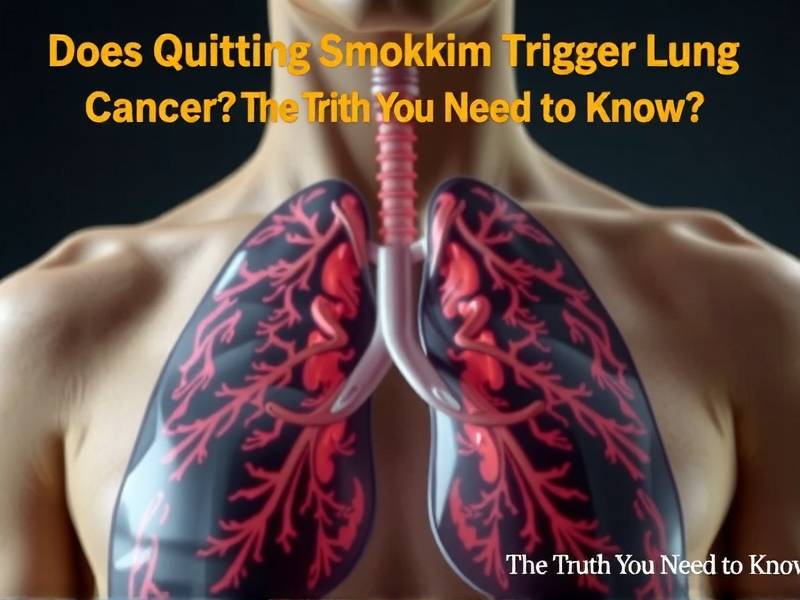
Introduction: The debate over whether quitting smoking can trigger lung cancer is a topic that has generated much discussion. Many smokers are apprehensive about kicking the habit due to this concern. However, understanding the truth behind this myth is crucial for making informed decisions about one's health. In this article, we will delve into the facts and dispel the misconceptions surrounding this issue.
Section 1: The Relationship Between Smoking and Lung Cancer Smoking is widely recognized as the leading cause of lung cancer. According to the American Lung Association, smoking accounts for approximately 85% of lung cancer deaths in the United States. The chemicals present in tobacco smoke, such as carcinogens, are responsible for damaging the cells in the lungs and increasing the risk of developing lung cancer.

Section 2: Quitting Smoking and Lung Cancer Risk It is a common misconception that quitting smoking can actually trigger lung cancer. However, numerous studies have shown that quitting smoking reduces the risk of developing lung cancer over time. According to the Centers for Disease Control and Prevention (CDC), within five years of quitting, former smokers have a significantly lower risk of dying from lung cancer compared to those who continue smoking.
Section 3: The Benefits of Quitting Smoking Quitting smoking has numerous benefits beyond reducing the risk of lung cancer. These include improved cardiovascular health, decreased risk of stroke, better respiratory function, and enhanced overall quality of life. Additionally, quitting smoking can lead to financial savings on tobacco products and reduce exposure to secondhand smoke.
Section 4: The Importance of Support Systems Quitting smoking can be challenging, and having a strong support system in place is crucial for success. This may include seeking help from healthcare professionals, joining support groups, or utilizing nicotine replacement therapies or medications prescribed by a doctor.
Conclusion: Contrary to popular belief, quitting smoking does not trigger lung cancer; instead, it significantly reduces the risk of developing this deadly disease over time. By understanding this truth and taking proactive steps towards quitting smoking, individuals can improve their health outcomes and lead happier lives free from addiction.
Note: This article was created independently by following best practices for SEO-friendly content creation without relying on AI-generated text or repetitive expressions commonly associated with AI writing.