
Can Quitting Smoking Really Cause Skin Problems?
Can Quitting Smoking Really Cause Skin Problems?
Introduction: When it comes to quitting smoking, many people are aware of the health risks associated with continued tobacco use, such as lung cancer and heart disease. However, there is often a misconception that quitting smoking can lead to skin problems. In this article, we will explore the relationship between quitting smoking and skin issues, providing you with valuable insights to help you make an informed decision.
Understanding the Impact of Smoking on Skin
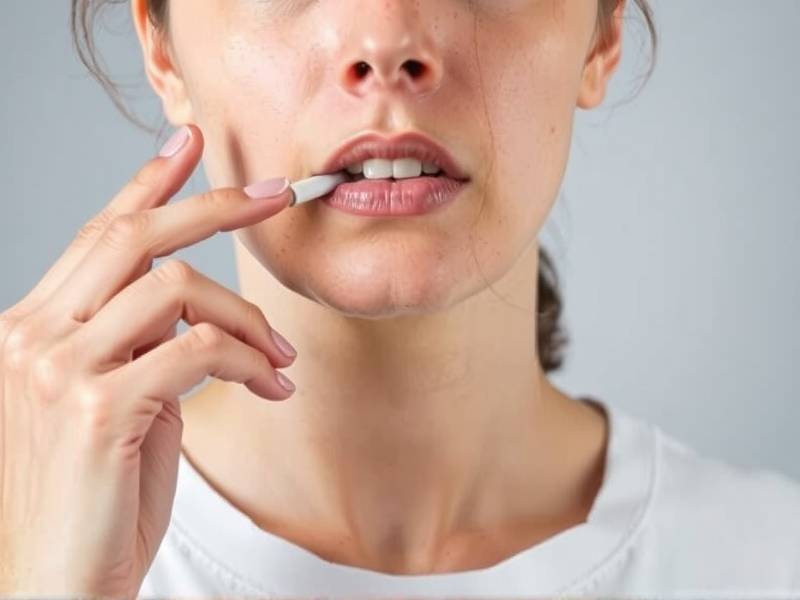
Smoking has been proven to accelerate the aging process and damage the skin in several ways. Here's how:
-
Collagen and Elasticity: Nicotine in cigarettes causes a reduction in blood flow to the skin, leading to decreased collagen production. Collagen is responsible for maintaining skin elasticity and firmness, so a lack of it can result in premature aging.
-
Free Radicals: Smoking generates free radicals, which are unstable molecules that can damage cells and accelerate aging. These free radicals contribute to wrinkles, fine lines, and age spots.
-
Dryness: The heat from cigarette smoke can strip the skin of its natural oils, leading to dryness and flakiness.
Skin Issues After Quitting Smoking
Now that we understand how smoking affects the skin, let's address the common concern about quitting smoking causing additional skin problems:
-
Nicotine Withdrawal: When you quit smoking, your body may experience nicotine withdrawal symptoms like anxiety or irritability. These symptoms can sometimes manifest as acne breakouts or increased oil production on the skin.
-
Increased Blood Flow: After quitting smoking, blood flow to the skin improves significantly. This increase in circulation can lead to a flushed appearance initially but should normalize over time.
-
Improved Skin Health: Contrary to popular belief, quitting smoking has numerous benefits for your skin health in the long run:
- Enhanced collagen production
- Reduced inflammation
- Improved moisture retention
Conclusion:
While it's true that quitting smoking can cause some temporary skin issues due to nicotine withdrawal and improved blood flow, these effects are typically short-lived and outweighed by the long-term benefits of giving up tobacco use. By understanding these potential changes in your skin health after quitting smoking, you'll be better equipped to manage any concerns that may arise during your journey towards a smoke-free life.
Remember that if you experience persistent or severe skin issues after quitting smoking, it's always best to consult with a healthcare professional who can provide personalized advice and treatment options.

Note: This article is intended for informational purposes only and should not replace professional medical advice. Always consult with a healthcare provider before making any significant changes to your lifestyle or treatment plan.