
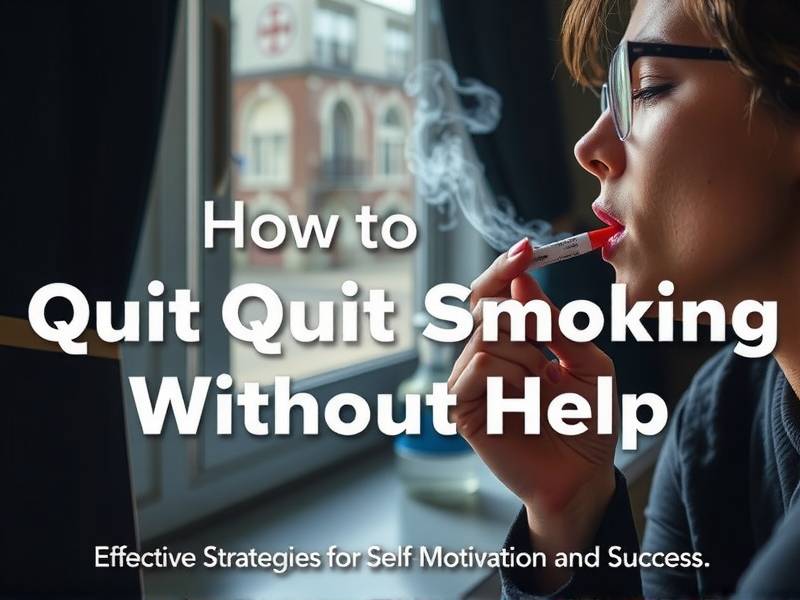
How to Quit Smoking Without Help: Effective Strategies for Self-Motivation and Success
Introduction: The Journey to a Smoke-Free Life
Embarking on the journey to quit smoking can be daunting, but it's a path that many have successfully navigated without external help. The key lies in self-motivation and adopting strategies that resonate with your personal circumstances. This article delves into effective strategies to help you quit smoking on your own terms.
Understanding the Challenges
Before diving into the strategies, it's important to acknowledge the challenges you might face. Nicotine addiction is powerful, and overcoming it requires both mental and physical commitment. Recognizing these challenges is the first step towards developing a robust quitting plan.
Identifying Triggers
One of the first things to do is identify your smoking triggers. These could be social events, stress, or even specific times of day. Understanding what prompts you to smoke will help you anticipate and manage these moments more effectively.

Building a Strong Foundation
A solid foundation is crucial for long-term success in quitting smoking. Here are some key steps to establish this foundation:
Setting Clear Goals
Start by setting clear, achievable goals. Whether it's a month or a year, define a timeline for your quit date. Make sure these goals are specific, measurable, achievable, relevant, and time-bound (SMART).
Educating Yourself
Knowledge is power when it comes to quitting smoking. Learn about the health risks associated with tobacco use and how nicotine affects your body and mind. This education can serve as a powerful motivator.
Strategies for Self-Motivation
Self-motivation is key to staying on track without external support. Here are some strategies that can help:
Visualization
Imagine the positive changes in your life once you've quit smoking. Visualize yourself feeling healthier, having more energy, and enjoying life without the constraints of nicotine addiction.
Positive Reinforcement
Reward yourself for each milestone reached on your quit journey. Whether it's a new book or a relaxing spa session, positive reinforcement can keep you motivated.
Techniques for Overcoming Cravings
Cravings are one of the most challenging aspects of quitting smoking. Here are some techniques to help manage them:
Distraction Techniques
Find activities that distract you from cravings when they hit. This could be reading, exercising, or engaging in hobbies that keep your mind occupied.
Breathing Exercises
Practice deep breathing exercises to calm yourself during cravings. This can help reduce stress levels and alleviate withdrawal symptoms.
Staying Accountable
Staying accountable can make a significant difference in your quitting journey:
Joining Online Communities
Participate in online forums or communities where individuals are also trying to quit smoking. Sharing experiences and offering support can be incredibly motivating.
Keeping a Quitting Journal
Maintain a journal where you record your progress and reflect on challenges faced along the way. Writing down your thoughts can provide clarity and reinforce positive habits.
Maintaining Long-Term Success
Finally, remember that quitting smoking is not just about stopping; it's about maintaining long-term success:
Developing New Habits
Replace old smoking habits with new ones that are healthy alternatives. For example, if you smoked while drinking coffee, try sipping herbal tea instead.
Regular Check-ins with Yourself
Regularly assess your progress and adjust your strategies as needed. It's important to stay flexible and adapt as you grow in confidence as a non-smoker.
Conclusion: Your Path to Freedom
Quitting smoking without help is possible with dedication and effective strategies tailored to your needs. By understanding the challenges ahead, building a strong foundation, staying motivated through various techniques, remaining accountable throughout the process, and maintaining long-term success through new habits, you can achieve a smoke-free life on your own terms.