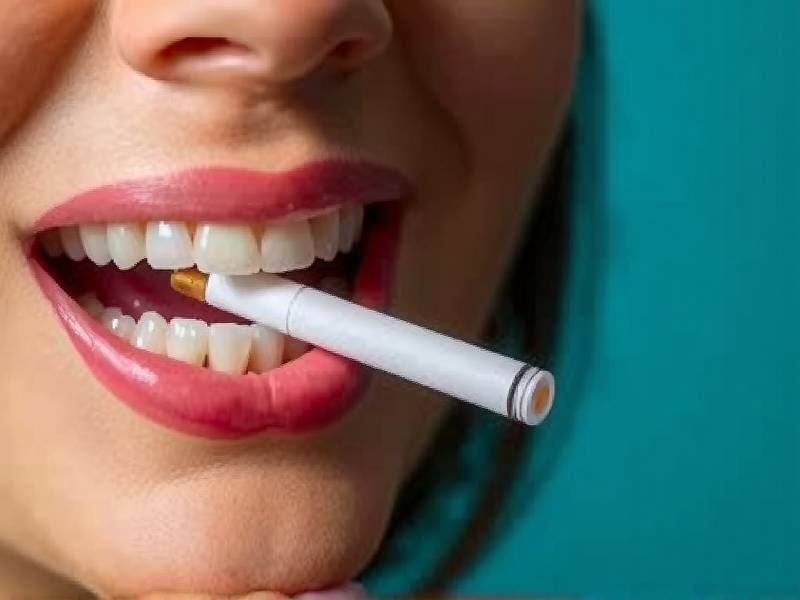
How Long Does It Take for Teeth to Get Whiter After Quitting Smoking?
The Journey to Whiter Teeth: How Long After Quitting Smoking?
Introduction: Smoking not only affects your health but also leaves its mark on your appearance, including your smile. One common concern among smokers is the yellowing of teeth. If you've recently quit smoking, you might be wondering how long it will take for your teeth to regain their natural whiteness. Let's explore this journey together.
Understanding the Process:
-
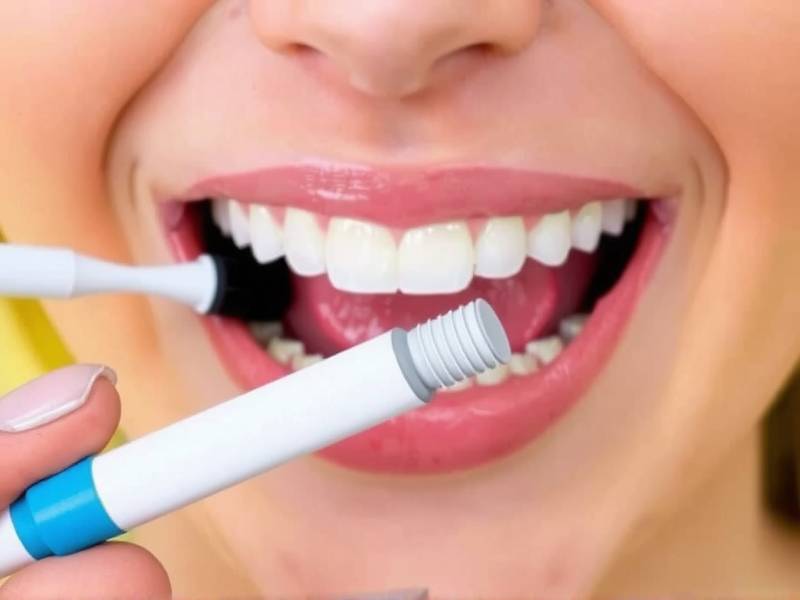
The Immediate Change When you quit smoking, the immediate change you'll notice is a reduction in the yellowish tint on your teeth. This happens because the nicotine and tar that have been accumulating on your teeth start to break down and fade away.
-
The Gradual Whitening The process of teeth whitening after quitting smoking is gradual. It's important to note that not everyone's experience will be the same, as factors like genetics, oral hygiene habits, and overall health play a role.
Factors Influencing Tooth Whitening Timeframe
-
Duration of Smoking The longer you smoked and the more frequently you smoked, the more time it may take for your teeth to return to their natural color.
-
Oral Hygiene Routine Maintaining good oral hygiene is crucial. Regular brushing, flossing, and using mouthwash can help remove surface stains and promote a healthier smile.
-
Professional Treatments If you're looking for faster results, professional whitening treatments such as bleaching can accelerate the process. However, these treatments should be done under professional supervision.
Typical Timeframe for Tooth Whitening Post-Quitting Smoking
On average, it can take anywhere from a few weeks to several months for your teeth to become visibly whiter after quitting smoking. Some individuals may see significant improvement within a few weeks due to improved oral hygiene practices and natural healing processes.
Maintaining Your White Smile
-
Avoid Reintroducing Stains To keep your smile white, avoid habits that can stain your teeth again, such as smoking or consuming certain foods and drinks like coffee or red wine.
-
Regular Dental Check-ups Regular visits to the dentist are essential not only for checking tooth health but also for professional cleaning which can help maintain white teeth.
Conclusion:
The journey towards whiter teeth after quitting smoking is a testament to the body's ability to heal itself from years of exposure to harmful substances. While there's no exact timeframe for when this transformation will occur, with consistent effort in maintaining good oral hygiene and avoiding staining agents, you'll likely see improvement over time. Remember that patience is key—your new smoke-free smile is well worth the wait!