
Repair Your Lungs After You Quit Smoking: The Benefits of Quitting Smoking for Your Health
The Importance of Lung Health
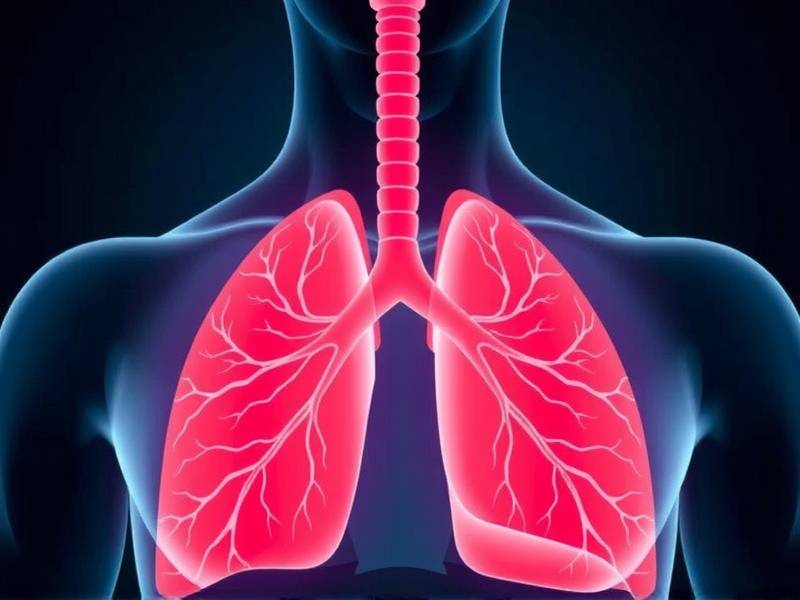
Lung health is crucial for overall well-being. Unfortunately, smoking is a leading cause of lung diseases and conditions such as chronic obstructive pulmonary disease (COPD) and lung cancer. If you have been a smoker, the good news is that quitting smoking can significantly improve your lung health and reduce your risk of developing serious respiratory issues.
Immediate Benefits of Quitting Smoking
As soon as you quit smoking, your body begins to repair itself. Here are some immediate benefits you can expect:
1. Improved Oxygen Supply
Within 24 hours of quitting, your body's oxygen levels start to rise. This means your lungs can more effectively transport oxygen to your organs, improving energy levels and overall health.
2. Reduced Risk of Infections
Smokers are more prone to respiratory infections like bronchitis and pneumonia. Within two weeks to three months after quitting, your immune system strengthens, making it easier for your body to fight off infections.
Long-Term Benefits of Quitting Smoking
The benefits of quitting smoking don't stop at the immediate ones. Over time, you can significantly improve your lung health and reduce the risk of developing chronic conditions.
1. Decreased Risk of COPD
COPD is a progressive lung disease that makes it difficult to breathe over time. Quitting smoking can slow the progression of COPD and reduce symptoms in those already diagnosed with the condition.

2. Lower Risk of Lung Cancer
Lung cancer is one of the most deadly forms of cancer, with smoking being a leading cause. By quitting, you can significantly lower your risk and give yourself a better chance at long-term survival.
How Your Lungs Heal After Quitting Smoking
The healing process varies from person to person but generally follows this timeline:
1. First Year
In the first year after quitting, your lungs will continue to clear out tar and other harmful substances accumulated during years of smoking. You'll likely notice an improvement in breathing capacity and reduced shortness of breath.
2. Second Year
By the second year post-quit, you may experience further improvements in lung function as damaged lung tissue starts to repair itself.
3. Beyond Two Years
After two years without smoking, the risk of heart disease decreases by half compared to that of current smokers. Your lungs will continue to improve over time as they heal from years of smoke damage.
Tips for Staying Smoke-Free
Quitting smoking isn't easy, but it's worth it for your health. Here are some tips to help you stay smoke-free:
- Create a quit plan with specific goals.
- Seek support from friends, family, or support groups.
- Consider nicotine replacement therapy or prescription medications.
- Reward yourself for reaching milestones.
- Stay away from triggers that make you want to smoke.
Conclusion
Quitting smoking offers numerous benefits for lung health and overall well-being. By taking steps towards becoming smoke-free, you can give yourself a better chance at living a longer, healthier life with improved quality of life along the way. So why wait? Take control today!