
What Happens When You Quit Smoking If You Have COPD?
Understanding the Impact of Quitting Smoking on COPD Patients
Introduction: Chronic Obstructive Pulmonary Disease (COPD) is a chronic lung condition that affects millions of people worldwide. Smoking is one of the leading causes of COPD, and quitting smoking is often recommended as a crucial step in managing the disease. This article explores what happens when you quit smoking if you have COPD, providing valuable insights for individuals seeking to improve their health.
I. The Importance of Quitting Smoking for COPD Patients

-
Reducing Exposure to Harmful Substances Quitting smoking helps reduce exposure to harmful substances like nicotine and carbon monoxide, which can worsen COPD symptoms and damage the lungs further.
-
Slowing Disease Progression Research has shown that quitting smoking can slow down the progression of COPD by reducing inflammation and improving lung function.
II. Immediate Benefits of Quitting Smoking
-
Improved Breathing Within hours of quitting, your blood oxygen levels start to increase, making it easier to breathe.
-
Reduced Risk of Respiratory Infections Quitting smoking reduces the risk of respiratory infections, which are common in COPD patients and can lead to severe complications.
III. Long-Term Benefits of Quitting Smoking
-
Enhanced Lung Function Over time, quitting smoking can lead to improved lung function, allowing individuals with COPD to perform daily activities more easily.
-
Reduced Risk of Other Health Issues Quitting smoking can also lower the risk of developing other health problems associated with COPD, such as heart disease and stroke.
IV. Strategies for Successful Smoking Cessation in COPD Patients
-
Professional Support Seeking help from healthcare professionals, such as pulmonologists or戒烟 specialists, can provide personalized guidance and support throughout the quitting process.
-
Nicotine Replacement Therapy (NRT) NRT products like gum, patches, lozenges, or inhalers can help alleviate withdrawal symptoms and increase the chances of successful cessation.
-
Behavioral Strategies Developing healthy coping mechanisms and stress management techniques can help overcome cravings and maintain motivation for long-term success.
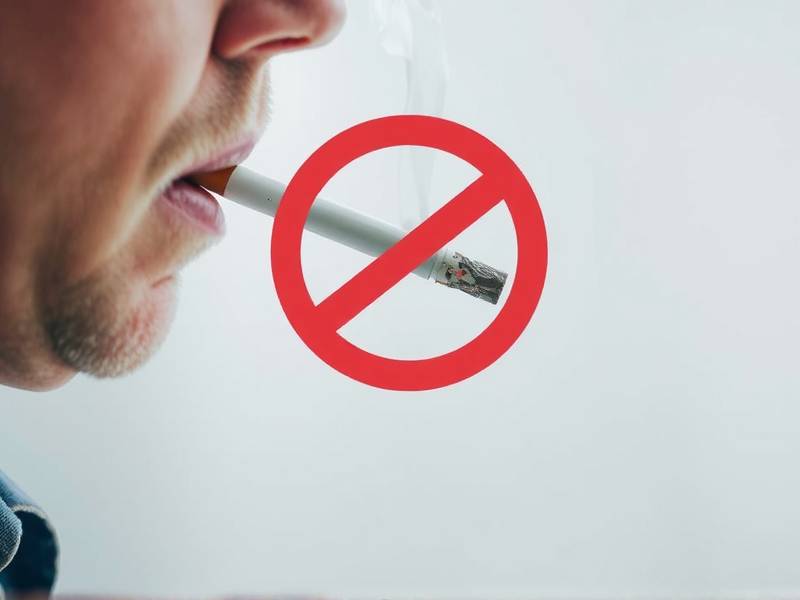
Conclusion: Quitting smoking is a significant step towards improving quality of life for individuals with COPD. By reducing exposure to harmful substances, slowing disease progression, and experiencing immediate and long-term benefits, patients can take control of their health and well-being. With proper support and strategies in place, successful smoking cessation is achievable for those battling this challenging condition.