
How to Improve Lung Function Quickly After Quitting Smoking
"Revitalize Your Lungs: Quick Strategies for Enhanced Lung Function Post-Quitting Smoking"
Introduction: Quitting smoking is a monumental step towards better health. However, the journey doesn't end there. Enhancing lung function post-cessation is crucial for a complete recovery. This article outlines effective strategies to help you breathe easier and faster after quitting smoking.
1. Start with a Clean Slate
Understand the Damage Before you embark on your journey to improve lung function, it's essential to understand the extent of damage caused by smoking. According to the American Lung Association, smoking can lead to chronic obstructive pulmonary disease (COPD), emphysema, and lung cancer.
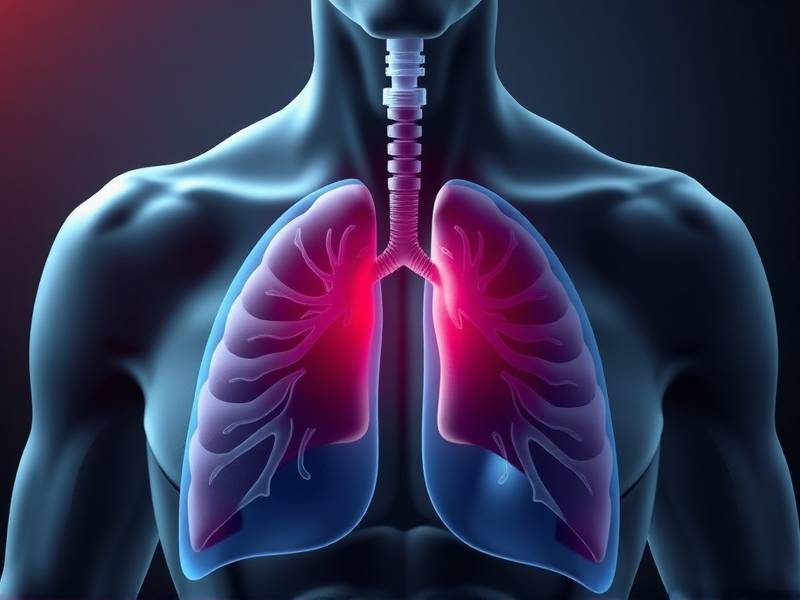
Deep Cleaning Begin by eliminating any remnants of smoke in your home and workplace. This includes cleaning fabrics, curtains, and surfaces where smoke has settled.
2. Adopt a Healthy Diet
Rich in Antioxidants Incorporate foods rich in antioxidants into your diet, such as berries, nuts, and green leafy vegetables. These foods help reduce inflammation and protect lung cells from damage.
Vitamin D Ensure you get enough vitamin D through sunlight exposure or dietary sources like fatty fish or fortified milk. Vitamin D deficiency has been linked to lung inflammation.
3. Increase Physical Activity
Regular Exercise Engage in regular physical activity to improve lung capacity and overall fitness. Activities like walking, swimming, or cycling can be beneficial.
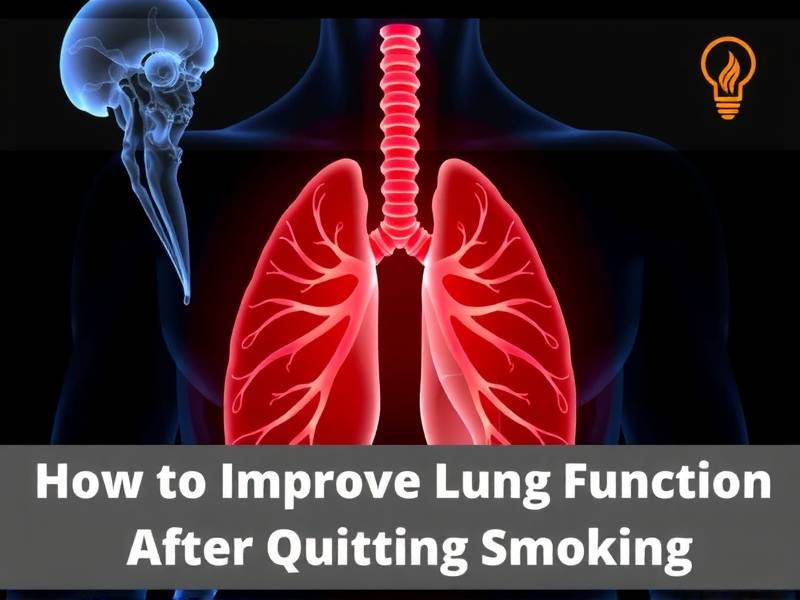
Breathing Exercises Practicing deep breathing exercises can enhance lung function significantly. Techniques like diaphragmatic breathing or pranayama (a form of yoga breathing) can be particularly effective.
4. Avoid Exposure to Pollutants
Indoor Air Quality Maintain good indoor air quality by using air purifiers and ensuring proper ventilation in your living space.
Outdoor Air Pollution Be mindful of outdoor air quality when exercising outdoors. Use air quality monitoring apps to avoid high pollution days.
5. Stay Hydrated
Water Intake Stay hydrated by drinking plenty of water throughout the day. Adequate hydration helps keep mucus thin and facilitates easier breathing.
6. Seek Professional Help
Consult Healthcare Providers Consult with healthcare providers about any concerns regarding your lung health post-quitting smoking. They may recommend pulmonary rehabilitation programs or other interventions tailored to your needs.
Conclusion: Improving lung function post-quitting smoking is a gradual process that requires commitment and consistency. By following these strategies and maintaining a healthy lifestyle, you can significantly enhance your respiratory health over time.