
How to Restore Your Lungs After Quitting Smoking: Effective Methods and Tips
The Journey to Lung Health
Quitting smoking is a significant step towards improving your overall health, and one of the most rewarding aspects of this journey is the gradual restoration of your lungs. As you take the first steps away from tobacco, it's natural to wonder about how quickly and effectively your lungs can recover. This article will explore various methods and tips to help you restore your lungs after quitting smoking.
Understanding Lung Recovery
The Damage Caused by Smoking
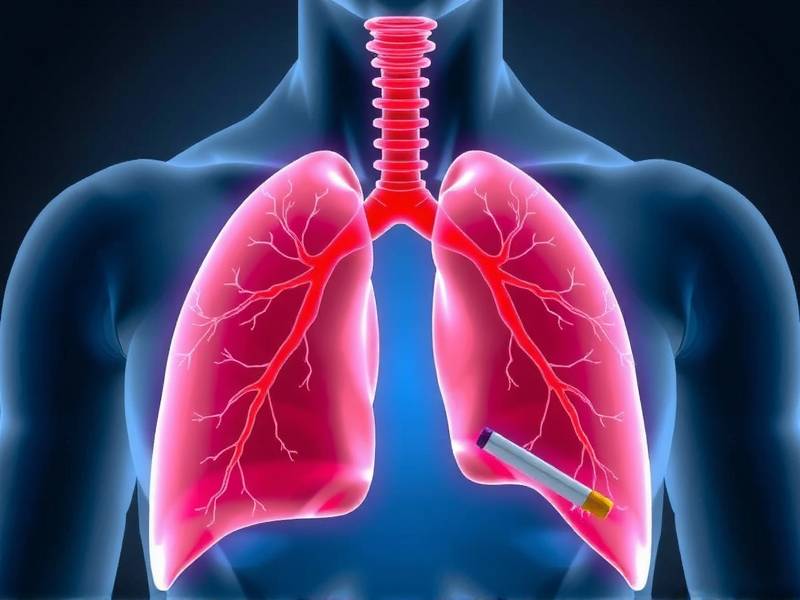
Smoking damages your lungs in multiple ways. It leads to inflammation, scarring, and a reduced ability to oxygenate blood. However, the good news is that these effects can be reversed over time as you quit smoking.
The Timeline of Lung Recovery
While complete recovery may take years, the process begins almost immediately after quitting. Here's a general timeline:
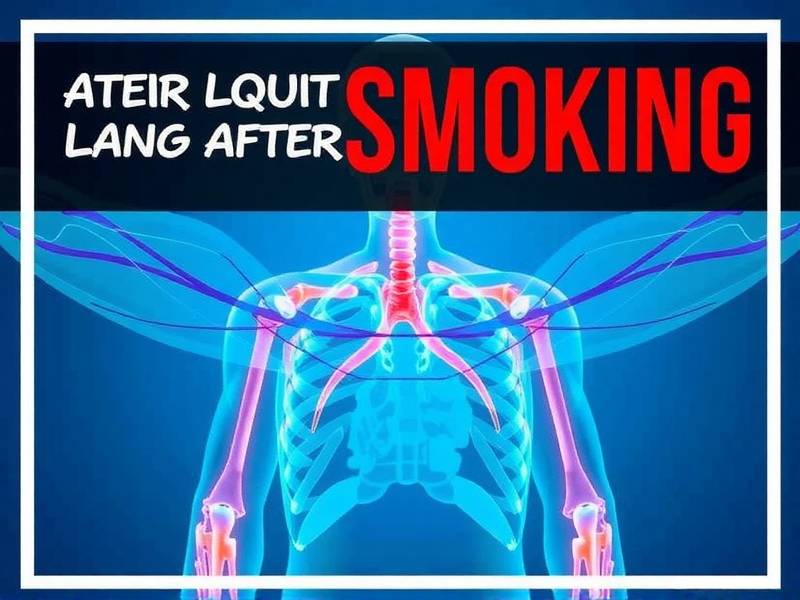
- First Month: Your breathing improves as your lungs start to clear out tar and other toxins.
- First Year: You'll notice a significant reduction in coughing and shortness of breath.
- Five Years: Your risk of heart disease starts to decline.
- Ten Years: Your risk of lung cancer decreases by half compared to a smoker's risk.
- Fifteen Years: Your risk of stroke is similar to that of someone who has never smoked.
Effective Methods for Lung Restoration
Deep Breathing Exercises
Deep breathing exercises help improve lung function by increasing oxygen flow. Techniques like diaphragmatic breathing can be particularly beneficial.
Physical Activity
Regular exercise strengthens your respiratory muscles and improves lung capacity. Activities such as walking, cycling, or swimming are excellent choices.
Avoid Exposure to Air Pollutants
Air pollution can worsen lung damage. Try to avoid smoky environments and areas with high levels of pollutants.
Stay Hydrated
Drinking plenty of water helps keep mucus thin and easier to expel from the lungs.
Tips for Accelerating Lung Recovery
Quit Nicotine Use Altogether
Nicotine replacement therapy (NRT) can be helpful for some smokers but may not be suitable for everyone. If possible, avoid all nicotine products during the recovery process.
Eat a Healthy Diet
A balanced diet rich in fruits, vegetables, lean proteins, and whole grains can support lung health.
Get Regular Check-ups
Regular medical check-ups allow healthcare professionals to monitor your lung function and provide guidance on how you're progressing.
Conclusion
Restoring your lungs after quitting smoking is a gradual process that requires patience and dedication. By incorporating these effective methods and tips into your lifestyle, you can significantly improve your lung health over time. Remember that every puff counts – taking action now will lead you towards a healthier future.