
Do Receding Gums Grow Back After Quitting Smoking?
Can Receding Gums Heal After Smoking Cessation?
Introduction: Receding gums, also known as gum recession, is a common dental problem that affects many smokers. It occurs when the tissue surrounding the teeth pulls away, exposing the root surfaces. Many individuals wonder if receding gums can grow back after quitting smoking. In this article, we will explore this topic and provide insights based on scientific research and expert opinions.
What Causes Receding Gums? Smoking is a significant risk factor for receding gums. The habit of smoking reduces blood flow to the gums, weakens the immune system, and increases the risk of infection. These factors contribute to the breakdown of gum tissue and lead to gum recession.
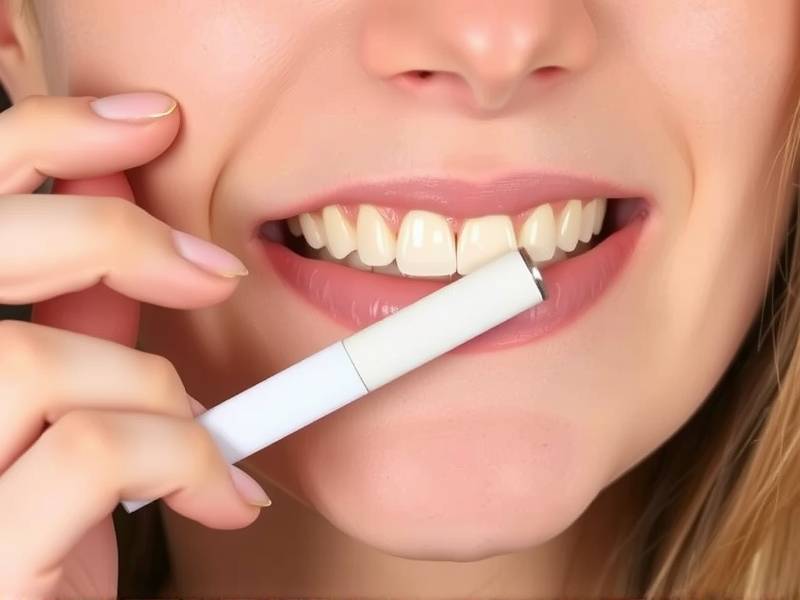
Can Receding Gums Grow Back After Quitting Smoking? Research suggests that quitting smoking can help improve gum health and potentially reverse gum recession to some extent. However, it is important to note that complete reversal may not always be possible.
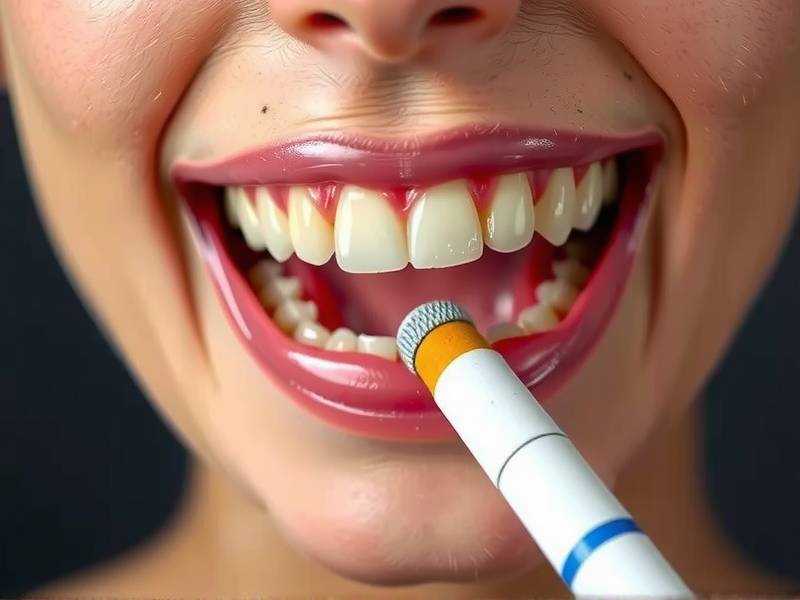
The Healing Process: When you quit smoking, your body starts healing itself by restoring blood flow to your gums and strengthening your immune system. This process can lead to a reduction in inflammation and an improvement in overall gum health.
Tips for Healing Receding Gums:
- Practice Good Oral Hygiene: Brush your teeth at least twice a day with fluoride toothpaste, floss daily, and use an antiseptic mouth rinse.
- Regular Dental Check-ups: Visit your dentist regularly for professional cleanings and examinations.
- Avoid Aggressive Brushing: Gentle brushing techniques help prevent further damage to your gums.
- Healthy Diet: Consume a balanced diet rich in vitamins and minerals that promote healthy gums.
- Avoid Harmful Habits: Reduce alcohol consumption and quit smoking if you haven't already.
Can Gum Tissue Regenerate? While receding gums may not grow back entirely after quitting smoking, there are treatments available that can help regenerate gum tissue:
- Gum Grafting: This surgical procedure involves taking a small piece of tissue from another part of your mouth or using donor tissue to cover the exposed root surfaces.
- Guided Tissue Regeneration (GTR): This technique involves placing a barrier between the tooth root and the gum tissue to allow new bone growth.
- Laser Therapy: Laser treatments can help reduce inflammation, promote healing, and prevent further damage to the gums.
Conclusion: Quitting smoking is essential for improving gum health and potentially reversing receding gums to some extent. While complete reversal may not always be possible, adopting good oral hygiene practices, visiting your dentist regularly, and exploring available treatments can help manage this dental issue effectively.
Remember that everyone's situation is unique, so it's important to consult with your dentist or healthcare provider for personalized advice on managing receding gums after quitting smoking.