
How Long Will I Be Angry After Quitting Smoking?
Understanding the Emotional Journey of Quitting Smoking
Quitting smoking is a significant life decision that comes with its own set of challenges. One common concern among smokers contemplating quitting is the emotional impact, particularly the feeling of anger. This article aims to explore how long you might experience anger after quitting smoking and what strategies can help manage these emotions.
The Emotional Rollercoaster
What Causes Anger After Quitting Smoking?
When you quit smoking, your body goes through a period of adjustment as it tries to recover from the long-term effects of nicotine addiction. This adjustment can lead to various emotional responses, including anger. Here are a few reasons why you might feel angry after quitting:
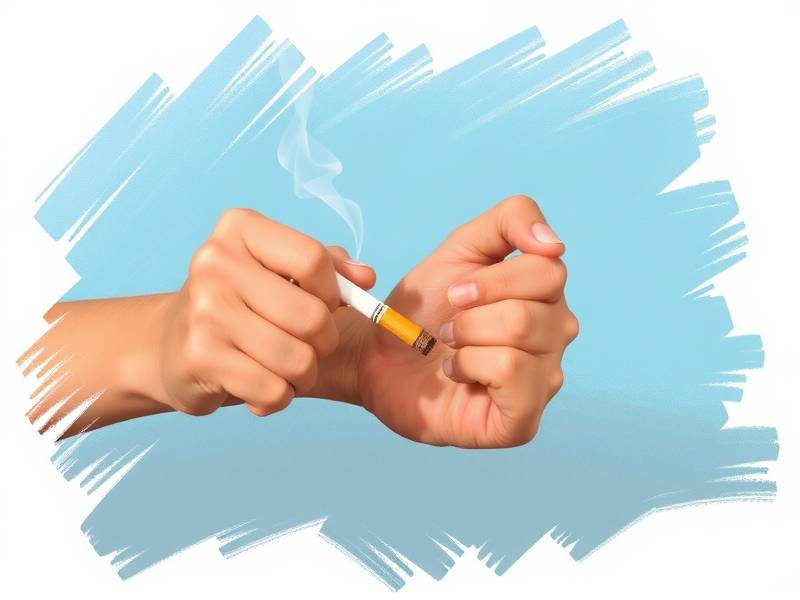
- Withdrawal Symptoms: Nicotine withdrawal can cause irritability and mood swings, which may manifest as anger.
- Cravings: The urge to smoke can be frustrating, especially when it's strong and hard to resist.
- Lifestyle Changes: Quitting smoking often requires lifestyle adjustments that might disrupt your routine and trigger feelings of frustration or anger.
How Long Does Anger Last?
The duration of anger after quitting smoking can vary widely from person to person. Some individuals may experience brief periods of irritability, while others may have more prolonged episodes. Generally, here's what you can expect:

- Immediate Response: Within the first few days or weeks after quitting, you may notice an increase in anger due to withdrawal symptoms.
- Short-Term Effects: For many people, these feelings subside within a month or two.
- Long-Term Impact: For some individuals, residual anger may persist for several months or even longer.
Managing Anger After Quitting Smoking
Strategies for Coping
- Stay Active: Regular exercise can help reduce stress and improve your mood.
- Seek Support: Joining a support group or talking to a therapist can provide valuable guidance and emotional support.
- Mindfulness Practices: Activities like meditation and deep breathing exercises can help manage stress and reduce feelings of anger.
- Healthy Habits: Replace smoking with healthy habits like eating well, getting enough sleep, and staying hydrated.
Resources for Support
- The American Lung Association offers resources for individuals looking to quit smoking.
- The National Cancer Institute provides detailed information on dealing with nicotine withdrawal symptoms.
Conclusion
While quitting smoking is an important step towards better health, it's also a challenging process emotionally. Understanding that anger is a normal part of this journey can help you manage these feelings more effectively. By adopting healthy coping strategies and seeking support when needed, you can navigate through this phase more comfortably and emerge stronger than ever before.
Remember, each person's experience is unique, so it's essential to be patient with yourself as you make this significant change in your life.