
What Will My Lungs Look Like After I Quit Smoking?
Unveiling the Transformation: What Will My Lungs Look Like After I Quit Smoking?
Introduction: The decision to quit smoking is a significant step towards a healthier life. Many smokers are curious about the changes that will occur in their bodies, particularly their lungs, as they take this journey. In this article, we will explore the transformation that takes place in the lungs after quitting smoking, providing you with valuable insights into the process of healing and recovery.
Section 1: The Immediate Impact of Quitting Smoking
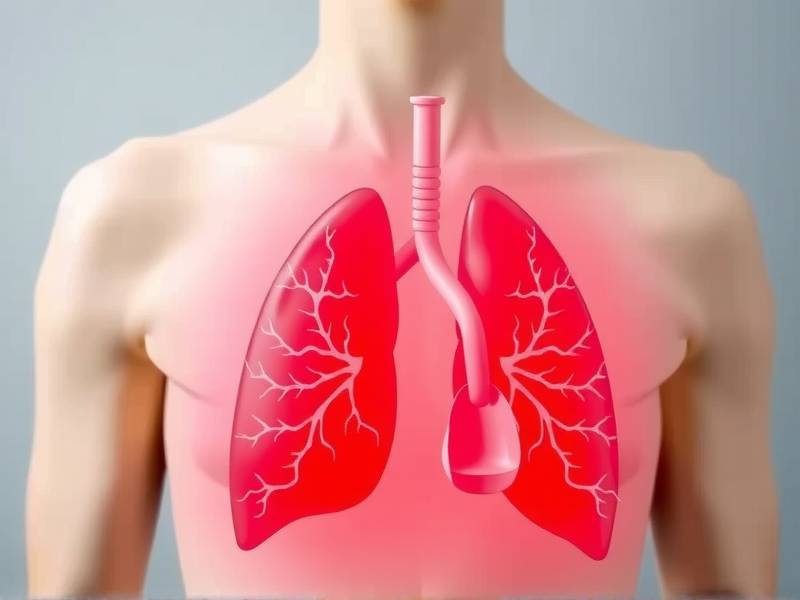
Subsection 1.1: Reduced Inflammation One of the first changes you'll notice in your lungs after quitting smoking is a reduction in inflammation. Smoking causes inflammation throughout the body, including the airways and alveoli (air sacs) in the lungs. As you quit smoking, your body begins to heal, leading to decreased inflammation and improved lung function.
Subsection 1.2: Improved Oxygen Supply Smoking reduces oxygen supply to your lungs and tissues. By quitting smoking, you allow your body to start repairing damaged lung tissue and restore normal oxygen levels. This can lead to increased energy levels and a better overall sense of well-being.
Section 2: Long-term Recovery and Healing
Subsection 2.1: Cilia Restoration Cilia are tiny hair-like structures that line your airways and help move mucus out of your lungs. Smoking damages these cilia, making it difficult for them to perform their function effectively. As you quit smoking, your cilia begin to repair themselves, allowing for better mucus clearance and reduced risk of infections.
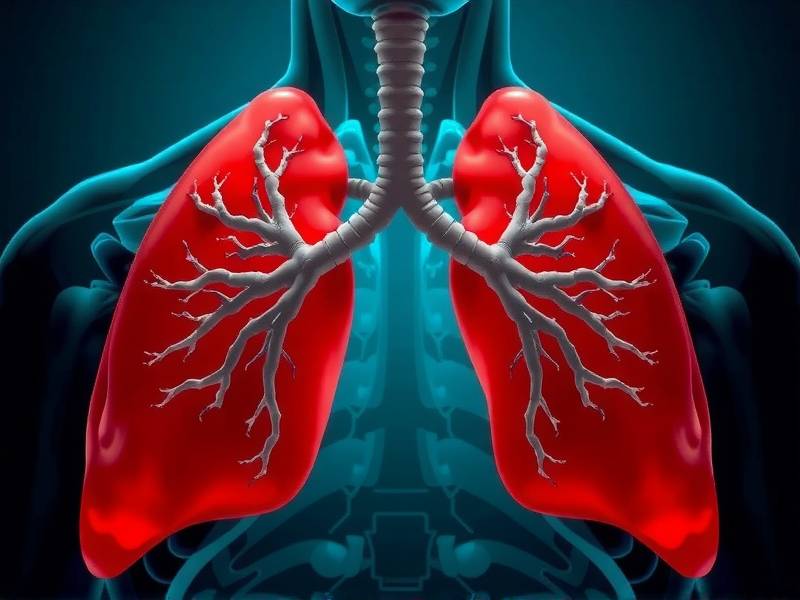
Subsection 2.2: Scar Tissue Reduction Smoking can cause scarring in the lungs, leading to reduced lung capacity and increased risk of respiratory problems. By quitting smoking, you give your body time to heal scar tissue and improve lung function over time.
Section 3: Monitoring Your Progress
Subsection 3.1: Lung Function Tests Your healthcare provider can perform lung function tests to measure how well your lungs are working after quitting smoking. These tests can provide quantitative data on improvements in lung capacity and airflow.
Subsection 3.2: Self-assessment In addition to medical assessments, pay attention to how you feel physically after quitting smoking. Notice any improvements in breathing, energy levels, or overall well-being as a testament to the healing process taking place within your lungs.
Conclusion: Quitting smoking is a transformative journey that brings about significant changes not only physically but also mentally and emotionally. By understanding what happens inside your body as you quit smoking, you can stay motivated on this path towards better health. Remember that every puff counts – make the decision today for healthier lungs tomorrow!