
Does Lung Capacity Really Return After Quitting Smoking?
Does Lung Capacity Really Return After Quitting Smoking?
Introduction: The decision to quit smoking is a significant step towards improving one's health. Many smokers are motivated by the promise of improved lung function, but they often wonder if it's truly possible for their lung capacity to return after quitting. In this article, we will explore the science behind lung capacity and how quitting smoking can lead to its improvement.
Understanding Lung Capacity

What is Lung Capacity? Lung capacity refers to the amount of air your lungs can hold. It is an essential measure of respiratory health and can be influenced by various factors, including age, sex, height, and overall fitness level.
How Smoking Impacts Lung Capacity Smoking is a leading cause of chronic obstructive pulmonary disease (COPD), a progressive lung disease that makes it difficult to breathe. The chemicals in tobacco smoke can damage the airways and lungs, leading to reduced lung capacity.
Can Quitting Smoking Restore Lung Capacity?
The Good News The good news is that quitting smoking can indeed improve lung function over time. Studies have shown that within a few weeks of quitting, the body begins to repair itself from the damage caused by tobacco smoke.
The Process of Recovery After quitting smoking, your lungs will start to clear out tar and other harmful substances accumulated over time. This process can take several months to years, depending on the individual's overall health and how long they smoked.
Timeframe for Improved Lung Capacity
Immediate Benefits Within days of quitting, you may notice an improvement in your sense of smell and taste due to reduced irritation in your airways.
After a Few Weeks Your heart rate may decrease as your cardiovascular system begins to recover from the strain caused by nicotine. Additionally, you may experience fewer respiratory symptoms like coughing or shortness of breath.
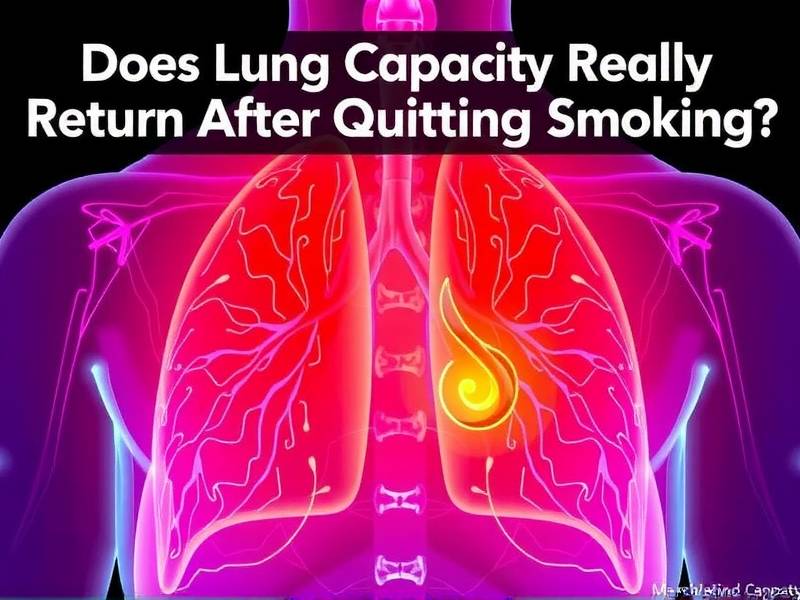
After a Few Months Your lungs will start producing more mucus as they clear out debris. This process can make breathing easier and reduce symptoms like wheezing or chest tightness.
After Years With continued abstinence from smoking, your lungs may continue to improve for several years. Some individuals have reported significant improvements in their lung capacity even after decades of smoking.
Conclusion
Quitting smoking is a powerful step towards restoring lung capacity and improving overall respiratory health. While it may take time for your lungs to fully recover, the benefits are well worth the effort. If you're considering quitting or have already taken that step, remember that every day without a cigarette brings you closer to healthier lungs and a better quality of life.