
Can Your Lungs Really Clean Themselves After Quitting Smoking?
Can Your Lungs Really Clean Themselves After Quitting Smoking?
Introduction: Quitting smoking is a significant decision that can lead to numerous health benefits. One of the most common questions among smokers who are considering quitting is whether their lungs can really clean themselves after quitting. In this article, we will explore the science behind lung healing and how quitting smoking can lead to better lung health.
Section 1: Understanding Lung Function To understand how lungs clean themselves after quitting smoking, it's essential to first understand the function of the lungs. The primary role of the lungs is to exchange oxygen and carbon dioxide between the body and the atmosphere. When you smoke, harmful chemicals enter your lungs, causing inflammation and damage.
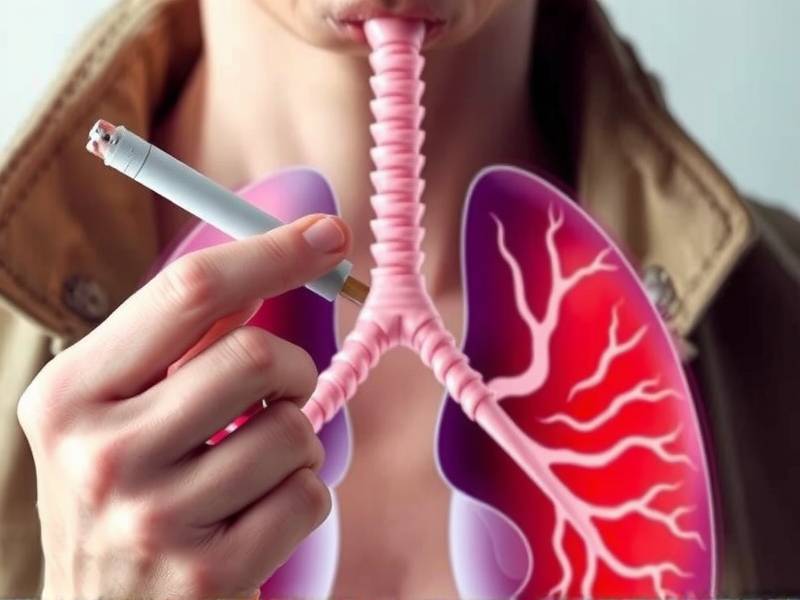
Section 2: The Process of Lung Healing After quitting smoking, your lungs begin to heal immediately. The following are some of the ways in which your lungs can clean themselves:
Subsection 1: Cilia Rejuvenation Cilia are tiny hair-like structures that line your airways. They help move mucus and trapped particles out of your lungs. When you smoke, these cilia become damaged and less effective. However, after quitting, your cilia start to regenerate, making it easier for your body to clear out mucus and debris.
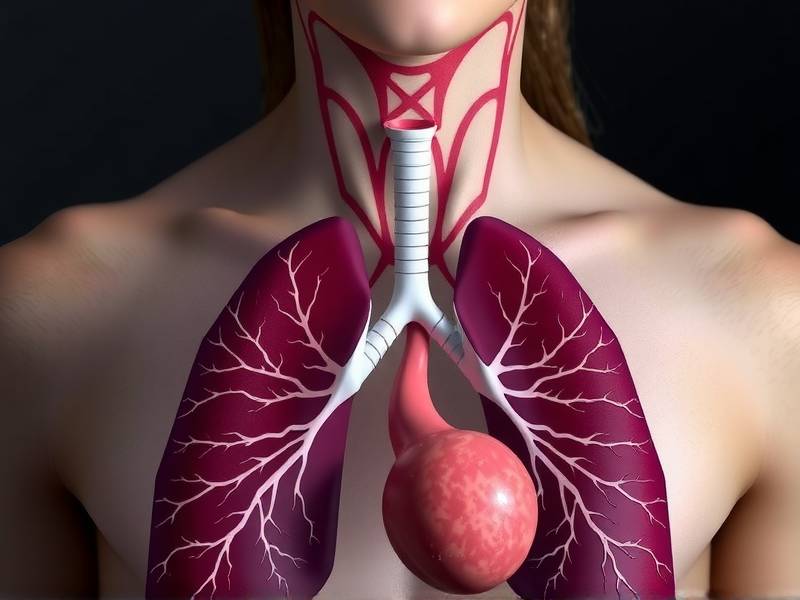
Subsection 2: Reduction in Inflammation Smoking causes inflammation in your airways and alveoli (air sacs). Quitting smoking reduces this inflammation, allowing your lungs to function better and heal more quickly.
Subsection 3: Improved Oxygen Supply As you quit smoking, the oxygen supply in your blood increases. This improved oxygenation helps repair damaged lung tissue and enhances overall lung function.
Section 3: The Timeline of Lung Healing The healing process varies from person to person but generally follows this timeline:
- Within a few days after quitting, you'll start experiencing improved lung function.
- Within a few weeks, coughing and shortness of breath may decrease as mucus clears from your airways.
- Within several months to a year after quitting, your risk of respiratory infections decreases significantly.
- Over time, with continued abstinence from smoking, the risk of developing chronic obstructive pulmonary disease (COPD) or other lung diseases decreases.
Conclusion: While there is no magic formula for cleaning out years of smoking damage from your lungs immediately after quitting, it's clear that giving up smoking can lead to significant improvements in lung health over time. By understanding the healing process and its timeline, you'll be motivated to maintain a smoke-free lifestyle for better respiratory health. So why not take that first step towards a healthier life today?