
How to Quit Smoking While Drinking Alcohol: Effective Strategies for Both Problems
Overcoming Dual Challenges: Quitting Smoking and Reducing Alcohol Consumption
Introduction: The combination of smoking and alcohol consumption is a common scenario among many individuals. Both habits can have detrimental effects on one's health, and quitting them simultaneously can seem daunting. This article delves into effective strategies for those looking to quit smoking while also reducing their alcohol intake, providing a comprehensive guide to tackle both problems head-on.
Understanding the Interplay Between Smoking and Alcohol
-
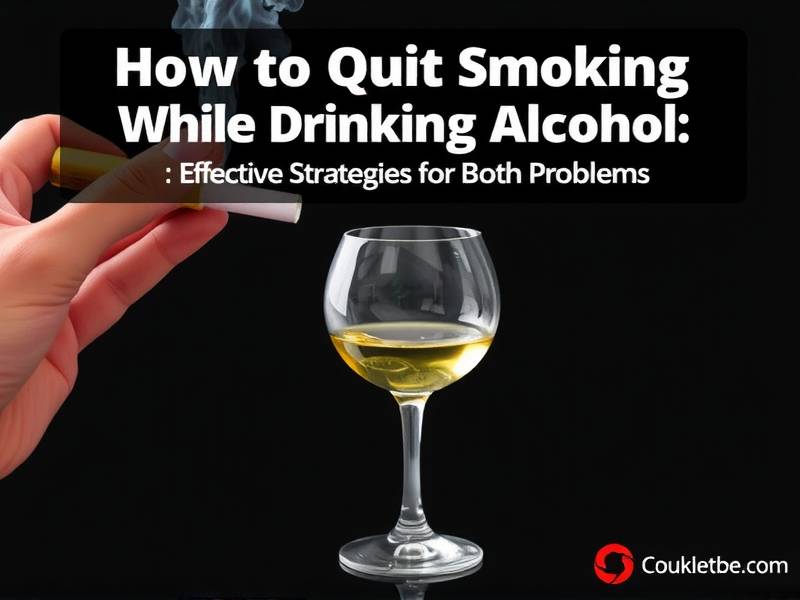
The Impact of Smoking on Alcohol Intake Smoking has been found to increase the desire for alcohol, as nicotine withdrawal can lead to cravings for other substances. It's essential to recognize this connection when developing a plan to quit smoking.
-
The Influence of Alcohol on Smoking Similarly, alcohol can weaken one's resolve to quit smoking. The relaxing effect of alcohol may lead individuals to smoke more frequently or feel less inclined to kick the habit.
Effective Strategies for Quitting Smoking While Drinking Alcohol
-
Set Clear Goals Begin by setting specific, achievable goals for both smoking and alcohol reduction. This could involve setting a timeline for complete cessation or gradually reducing the number of cigarettes smoked after each drink.
-
Seek Professional Support Consulting with healthcare professionals such as doctors or therapists can provide personalized advice and support throughout the quitting process.
-
Identify Triggers Understand the situations that trigger your desire to smoke or drink excessively. Whether it's social gatherings or stress, having a plan in place to avoid these triggers is crucial.
-
Nicotine Replacement Therapy (NRT) Consider using NRT products like gum, patches, lozenges, or inhalers to help manage nicotine cravings when you're drinking alcohol.
-
Alternative Activities Find new activities that replace the routine of smoking and drinking together. This could include engaging in hobbies, exercising, or joining support groups focused on health and wellness.
-
Mindfulness Techniques Practice mindfulness meditation or deep breathing exercises to stay grounded when faced with cravings or triggers related to both habits.
-
Social Support System Build a network of friends and family who are supportive of your goals and who will hold you accountable during challenging times.
-
Gradual Reduction Strategy Start by reducing the number of cigarettes you smoke after each drink rather than trying to quit cold turkey. This gradual approach can make the process more manageable.
-
Monitor Progress Regularly track your progress towards quitting smoking and reducing alcohol consumption. Celebrate small victories along the way to stay motivated.
-
Stay Positive Maintain a positive mindset by reminding yourself of the long-term health benefits of quitting both smoking and excessive alcohol consumption.
Conclusion: Quitting smoking while reducing alcohol intake is indeed challenging, but it's not impossible with the right strategies in place. By understanding the interplay between these habits, setting clear goals, seeking professional support, and staying committed to your journey, you can overcome these dual challenges and improve your overall well-being. Remember that progress may be slow at times, but every step forward is a step towards better health and a happier life.