
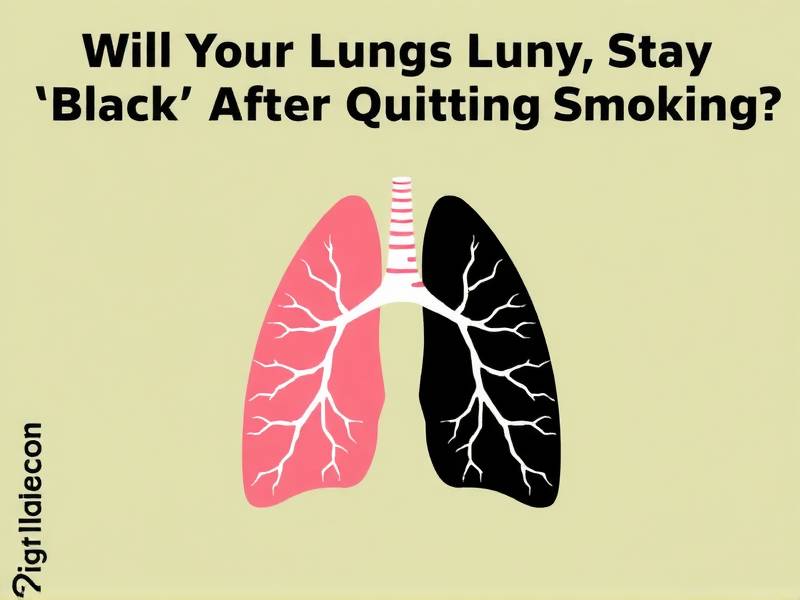
Will Your Lungs Stay 'Black' After Quitting Smoking?
The Common Concern: Black Lungs and Smoking
It's a common misconception that the black, tar-filled lungs of a smoker are a permanent feature. Many people who are contemplating quitting smoking often wonder if their lungs will ever return to their natural, healthy state. This article delves into the science behind this question and provides hope for those looking to quit.
The Truth About Tar in Lungs
When you smoke, tar is one of the many harmful substances that enter your lungs. Tar is a sticky, dark substance that can build up over time, causing damage to lung tissue. This build-up is what gives smokers' lungs their characteristic black color.
The Healing Power of Quitting
The good news is that quitting smoking can significantly reduce the amount of tar in your lungs over time. According to the American Lung Association, within 2-5 weeks of quitting, your risk of heart disease begins to decline. Within 1-9 months, your lung function improves as your body starts to heal from the damage caused by smoking.
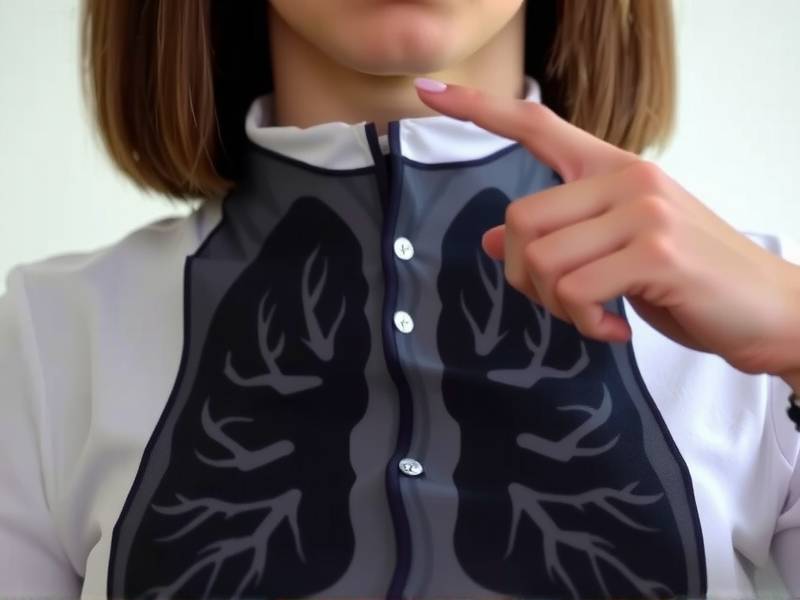
How Long Does It Take for Lungs to Heal?
The process of healing after quitting smoking varies from person to person. Some may notice immediate improvements in their breathing and overall health, while others may take longer. On average, it can take several years for your lungs to return to their pre-smoking state.
Key Points on Lung Healing
- Immediate Benefits: Within hours of quitting, your blood pressure and heart rate begin to drop.
- Long-term Improvements: After 1-2 years without smoking, your risk of heart disease is cut in half.
- Continuous Improvement: Over time, the risk of developing cancer decreases as well.
- Regular Check-ups: It's essential to have regular check-ups with your healthcare provider to monitor lung function and overall health.
Tips for Quitting Smoking
Quitting smoking can be challenging, but it's not impossible. Here are some tips that might help:
- Seek Support: Join a support group or find an accountability partner.
- Alternative Therapies: Consider using nicotine replacement therapy or other alternative methods.
- Stay Active: Regular exercise can help manage withdrawal symptoms and improve mood.
- Set Realistic Goals: Break down your quit journey into smaller milestones.
Conclusion
While it's true that quitting smoking won't instantly reverse years of damage, it's an essential step towards healthier lungs and a better quality of life. With dedication and support, you can overcome this challenge and give yourself the gift of cleaner airways.
Remember, it's never too late to start healing your lungs after quitting smoking. Embrace this journey towards better health and well-being!