
Does Quitting Smoking Really Help With Anxiety?
Quitting Smoking: A Potential Solution for Anxiety Relief?
Introduction: Anxiety is a common issue affecting millions of people worldwide. Many individuals turn to smoking as a way to cope with their anxiety. However, the question remains: Does quitting smoking really help with anxiety? In this article, we will explore the relationship between quitting smoking and anxiety relief, providing insights into the potential benefits and challenges.
Understanding Anxiety and Smoking
-
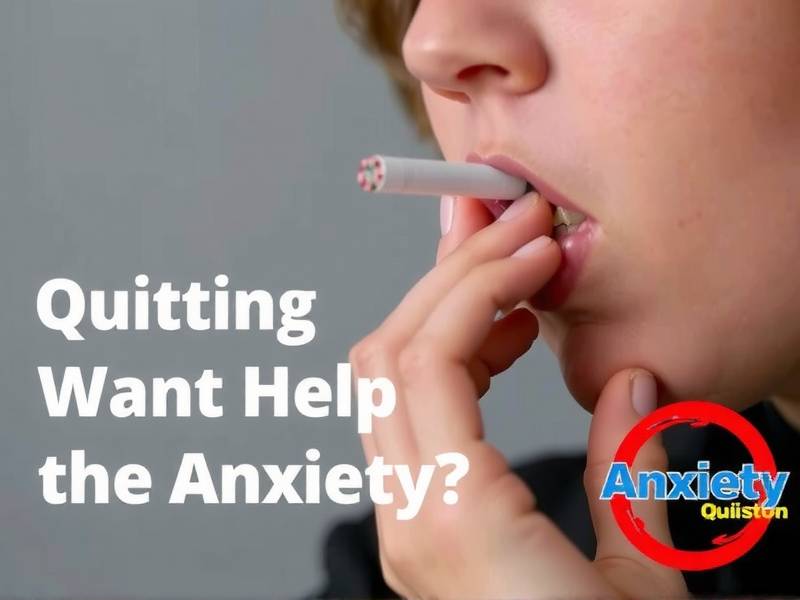
The Link Between Anxiety and Smoking Anxiety is a natural response to stress or fear. For many smokers, the act of smoking serves as a temporary relief from anxiety symptoms. The nicotine in cigarettes acts as a stimulant, which can temporarily reduce anxiety levels.
-
The Role of Nicotine in Anxiety Nicotine is an addictive substance that can alter brain chemistry. It binds to nicotine receptors in the brain, leading to the release of dopamine, a neurotransmitter associated with pleasure and reward. This release can provide short-term relief from anxiety symptoms.
The Benefits of Quitting Smoking for Anxiety
-
Long-Term Anxiety Relief Quitting smoking can lead to long-term anxiety relief by reducing reliance on nicotine as a coping mechanism. As individuals break free from nicotine addiction, they may discover healthier ways to manage anxiety symptoms.
-
Improved Physical Health Smoking has been linked to various health issues, including heart disease, stroke, and respiratory problems. By quitting smoking, individuals can improve their overall physical health and reduce the risk of developing these conditions.
-
Enhanced Mental Well-being Quitting smoking has been associated with improved mental well-being, including reduced levels of stress and anxiety. This may be due to increased oxygen flow to the brain and improved overall quality of life.
Challenges of Quitting Smoking for Anxiety
-
Withdrawal Symptoms When individuals quit smoking, they may experience withdrawal symptoms such as irritability, restlessness, and increased anxiety levels in the short term.
-
Relapse Risk Quitting smoking is challenging for many people due to nicotine addiction. Relapse rates are high among those who have attempted to quit before.
-
Alternative Coping Mechanisms Finding alternative ways to cope with anxiety is crucial when quitting smoking. Individuals may need to explore new coping strategies such as exercise, mindfulness techniques, or professional support.
Conclusion

While quitting smoking does not guarantee immediate relief from anxiety symptoms for everyone, it can be an effective long-term strategy for many individuals seeking anxiety management. By addressing nicotine addiction and improving overall health, individuals may find healthier ways to cope with anxiety and enhance their well-being.
As always, it's essential for those struggling with both anxiety and smoking habits to seek professional advice from healthcare providers or support groups tailored to their needs.
Remember that everyone's experience is unique when it comes to managing anxiety through lifestyle changes like quitting smoking. Be patient with yourself as you navigate this journey towards better mental health!