
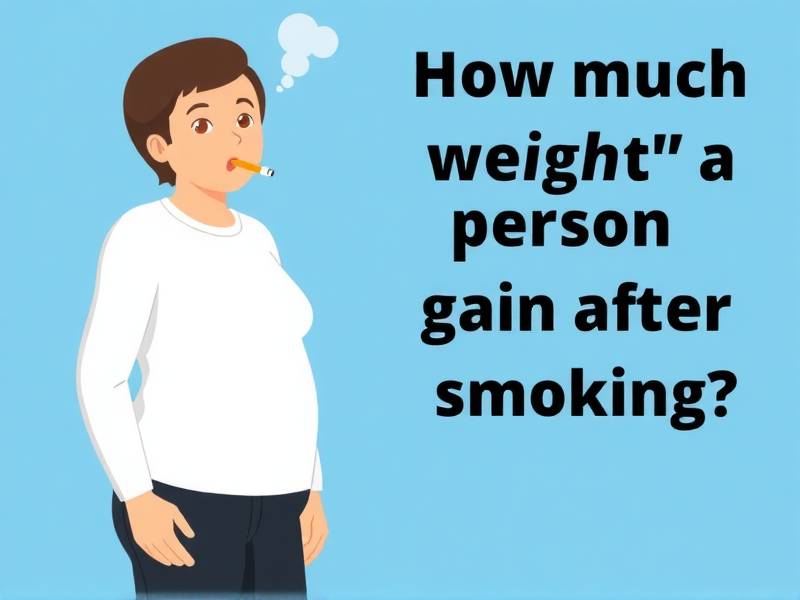
How much weight does a person gain after quitting smoking?
The Impact of Smoking Cessation on Weight Gain: What You Need to Know
Introduction: Quitting smoking is a significant step towards improving one's health. However, many smokers are concerned about potential weight gain after quitting. This article aims to provide you with valuable insights into the subject, including the factors that contribute to weight gain, the average amount of weight gained, and tips for managing weight post-cessation.
Section 1: Factors Contributing to Weight Gain After Quitting Smoking

1.1 Nicotine Withdrawal When you quit smoking, your body goes through nicotine withdrawal, which can lead to increased appetite and cravings for food. This change in your body's chemistry can result in unintentional weight gain.
1.2 Metabolic Changes Research has shown that quitting smoking can lead to a decrease in metabolic rate. This means that your body burns fewer calories at rest than it did when you were smoking, potentially contributing to weight gain.
1.3 Emotional Eating Smokers often turn to food as a coping mechanism when they feel stressed or anxious due to nicotine withdrawal. Emotional eating can lead to overeating and subsequent weight gain.
Section 2: Average Weight Gain After Quitting Smoking
The average amount of weight gained after quitting smoking varies among individuals. Some studies have shown that most people gain an average of 5-10 pounds within the first few months after quitting. However, this number can be higher or lower depending on various factors such as age, gender, metabolism, and overall lifestyle.
Section 3: Tips for Managing Weight Post-Cessation
3.1 Eat Healthily Focus on incorporating nutrient-rich foods into your diet, such as fruits, vegetables, whole grains, lean proteins, and healthy fats. Avoid processed foods high in sugar and unhealthy fats.
3.2 Stay Hydrated Drinking plenty of water can help control appetite and keep you hydrated throughout the day.
3.3 Exercise Regularly Physical activity is essential for maintaining a healthy weight and improving overall health after quitting smoking. Find activities you enjoy and make them a part of your routine.
3.4 Get Adequate Sleep Poor sleep quality can disrupt hormones that regulate hunger and appetite. Aim for 7-9 hours of quality sleep each night.
Conclusion: While it is natural for some individuals to gain weight after quitting smoking due to various factors such as nicotine withdrawal and metabolic changes, taking proactive steps such as eating healthily and exercising regularly can help manage this potential side effect effectively. Remember that the benefits of quitting smoking far outweigh any potential drawbacks related to weight gain.
Note: The information provided in this article is based on available research and expert opinions at the time of writing. It is always recommended to consult healthcare professionals for personalized advice regarding smoking cessation and weight management.