
Does Emphysema Get Worse After Quitting Smoking?
Understanding the Post-Quitting Smoking Journey: How Emphysema Changes
Introduction: Emphysema, a chronic lung disease, is often associated with smoking. Many individuals who have smoked for years are eager to quit and improve their health. However, one common concern among smokers contemplating quitting is whether emphysema will worsen after they stop smoking. In this article, we explore the relationship between quitting smoking and the progression of emphysema.
What is Emphysema?
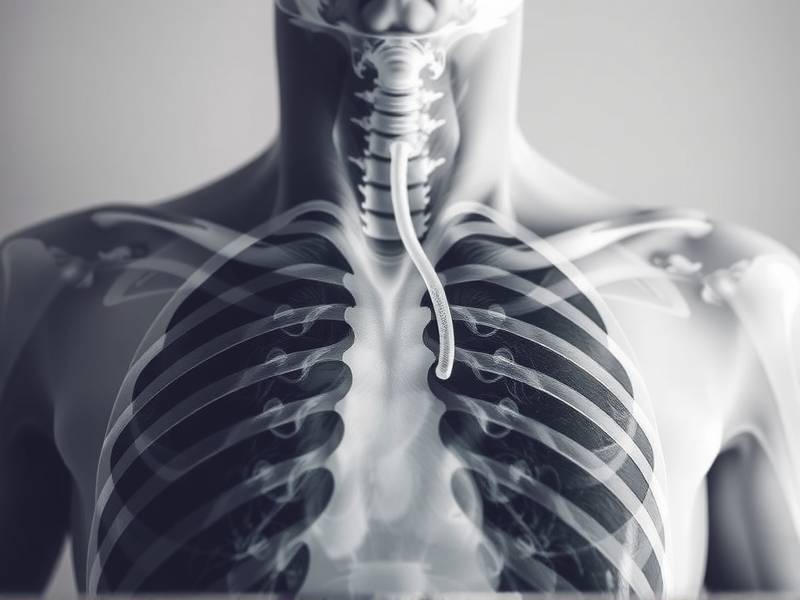
Emphysema is a lung condition that causes damage to the air sacs in the lungs, leading to symptoms such as shortness of breath, coughing, and chest tightness. The condition often develops slowly over time and can be exacerbated by smoking.
Will Emphysema Get Worse After Quitting Smoking?
Contrary to some beliefs, emphysema does not typically get worse after a person stops smoking. In fact, quitting smoking can lead to significant improvements in lung function and overall health.
The Healing Process
When you quit smoking, your body begins to heal almost immediately. The damage caused by tobacco smoke starts to reverse within days of quitting. Over time, your lungs will produce less mucus and inflammation will decrease.
Improved Lung Function
Research has shown that individuals who quit smoking experience improvements in lung function within a few months. While emphysema cannot be reversed entirely, quitting can slow down its progression and help maintain lung capacity.
Long-Term Benefits
Long-term benefits of quitting include a reduced risk of developing other respiratory conditions such as chronic bronchitis and pneumonia. Additionally, individuals who quit may experience improved cardiovascular health and a lower risk of stroke or heart disease.
Support Systems for Smokers Who Want to Quit
Quitting smoking can be challenging; however, there are numerous resources available to help you succeed:
- Seek Professional Help: Consult with your healthcare provider for personalized advice on quitting methods.
- Join Support Groups: Connect with others who are going through the same journey.
- Consider Medications: Some individuals may benefit from prescription medications designed to help with nicotine withdrawal.
- Stay Active: Regular exercise can improve lung function and overall well-being.
Conclusion: While emphysema cannot be completely reversed by quitting smoking alone, it is an essential step towards improving your quality of life. By taking control of your health and seeking support when needed, you can make significant strides towards a smoke-free life and potentially slow down the progression of emphysema. Remember that it's never too late to quit – start today!