
Does Quitting Smoking Really Lower Your Risk of Lung Cancer?
Does Quitting Smoking Really Lower Your Risk of Lung Cancer?
Introduction: Lung cancer is one of the most common and deadly forms of cancer worldwide. Many people believe that quitting smoking can significantly reduce their risk of developing lung cancer. But does it really? Let's delve into the facts and explore the connection between quitting smoking and lung cancer risk.
Understanding the Link Between Smoking and Lung Cancer Smoking is a well-known cause of lung cancer. The chemicals present in cigarettes, such as nicotine, tar, and carbon monoxide, can damage the cells in your lungs over time. This damage increases your risk of developing lung cancer.
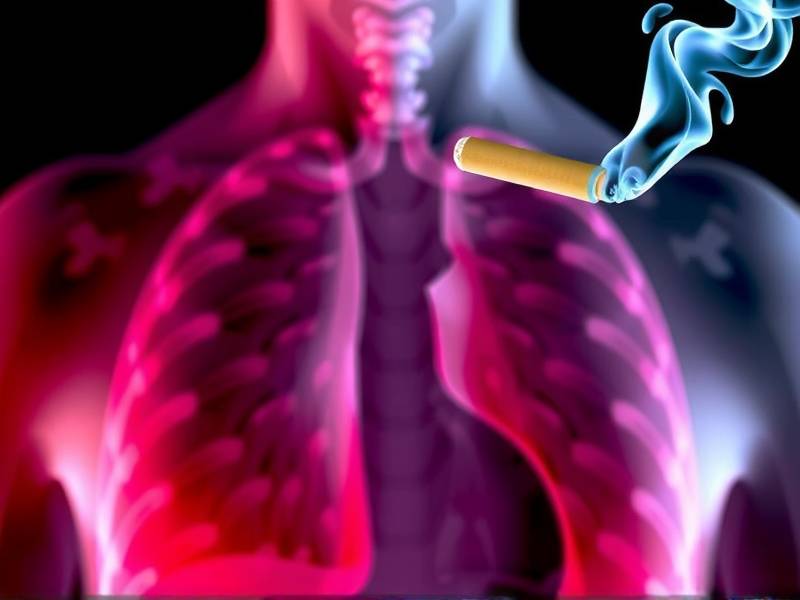
The Impact of Quitting Smoking on Lung Cancer Risk Numerous studies have shown that quitting smoking can indeed lower your risk of developing lung cancer. Here's how:
-
Immediate Health Benefits: As soon as you quit smoking, your body starts to repair some of the damage caused by tobacco use. Within 20 minutes after quitting, your heart rate and blood pressure drop, improving cardiovascular health.
-
Reduced Risk Over Time: Within 5 years after quitting, your risk of stroke drops to about half that of a smoker's. Within 10 years after quitting, your lung cancer risk drops to about half that of a continuing smoker.
-
Long-Term Benefits: After 15 years without smoking, your risk of dying from lung cancer is similar to that of someone who has never smoked.
New Studies on Emerging Trends Recent research has focused on understanding how quit rates among smokers have changed over time and how these changes affect lung cancer rates. According to a study published by the Centers for Disease Control and Prevention (CDC), quit rates have been increasing over the past few decades due to various factors like public health campaigns and increased awareness about the dangers of smoking.

The Importance of Seeking Professional Help If you're trying to quit smoking, it's essential to seek professional help. Quitlines, counseling services, and prescription medications can all increase your chances of success.
Conclusion: In conclusion, quitting smoking does indeed lower your risk of developing lung cancer. It's never too late to start making positive changes for your health. By seeking professional help and staying committed to a smoke-free lifestyle, you can significantly reduce your chances of developing this deadly disease.
Remember, taking control over your health is a journey worth embarking on!