
How Long Does Phlegm Last After You Quit Smoking?
Understanding the Duration of Phlegm After Quitting Smoking
Introduction: Quitting smoking is a significant step towards a healthier lifestyle, but it often comes with its own set of challenges. One common concern among former smokers is the duration of phlegm production post-cessation. This article delves into how long you might expect to experience phlegm after quitting smoking, offering insights and advice to help navigate this transitional phase.
What Causes Phlegm After Quitting Smoking?
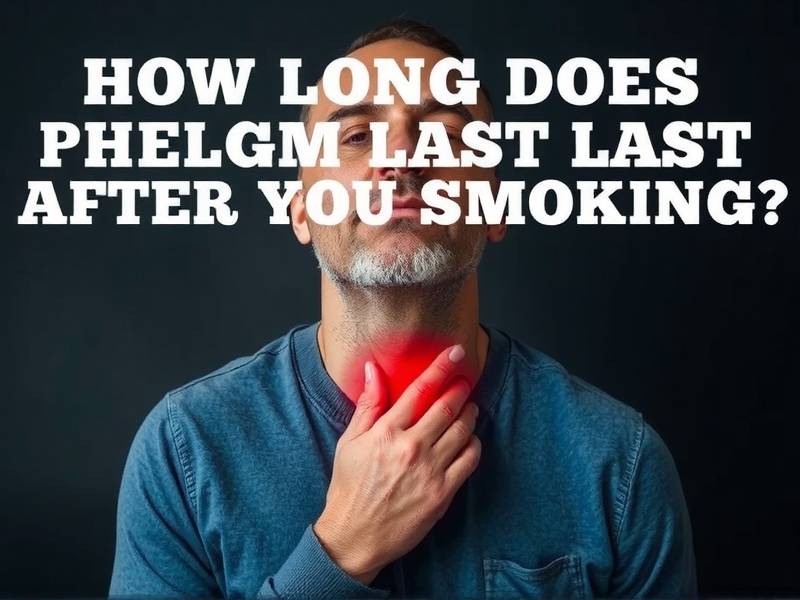
Phlegm production after quitting smoking is primarily due to the body's natural response to the absence of irritants that were once present in cigarette smoke. The chemicals in tobacco can cause inflammation and irritation in the respiratory system, leading to increased mucus production.
How Long Does Phlegm Typically Last?
The duration of phlegm after quitting smoking can vary from person to person. Generally, you may expect to experience increased mucus production for several weeks to a few months following cessation. Here's a breakdown:
- Weeks 1-2: This is when you're likely to notice the most significant increase in phlegm as your body starts to clear out irritants.
- Weeks 3-4: The amount of phlegm may begin to decrease as your respiratory system adjusts.
- Months 1-3: During this period, you might still have occasional episodes of increased mucus production, but they should become less frequent and intense.
Tips for Managing Phlegm Post-Quitting Smoking
- Stay Hydrated: Drinking plenty of fluids helps thin mucus and make it easier to expel.
- Gargle with Salt Water: This can help soothe your throat and reduce mucus buildup.
- Exercise Regularly: Physical activity can improve lung function and help clear out mucus.
- Avoid Irritants: Stay away from secondhand smoke, dust, and other allergens that can exacerbate respiratory issues.
The Role of Professional Help
If you find that your symptoms persist or worsen beyond what is considered typical, it may be helpful to seek medical advice. A healthcare professional can provide guidance on managing persistent symptoms and ensure there are no underlying conditions contributing to prolonged phlegm production.
Conclusion:

While experiencing phlegm after quitting smoking is a common occurrence, it's generally a temporary side effect of your body healing from years of tobacco exposure. By staying hydrated, exercising regularly, and taking steps to avoid irritants, you can manage this phase more comfortably. Remember, every puff you don't take brings you one step closer to better health!