
How to Clean Your Teeth Properly After Quitting Smoking: Tips and Tricks
How to Clean Your Teeth Properly After Quitting Smoking: Tips and Tricks
Introduction: Quitting smoking is a significant step towards a healthier lifestyle, and taking care of your oral health should be at the top of your priority list. Proper teeth cleaning can help prevent the negative effects of smoking on your teeth, such as staining and tooth decay. In this article, we will provide you with valuable tips and tricks on how to clean your teeth effectively after quitting smoking.
Understanding the Impact of Smoking on Your Teeth
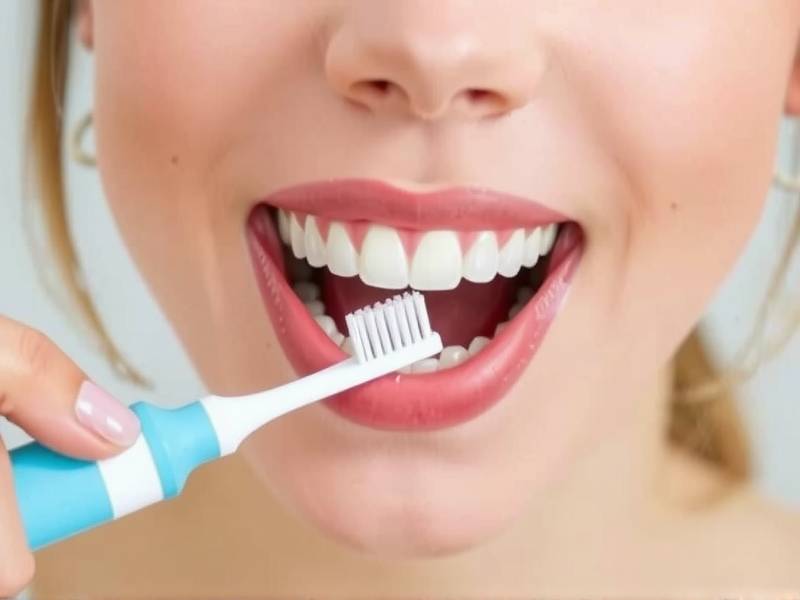
Smoking can lead to various oral health issues, including:
- Tooth Staining: Tar and nicotine in cigarettes can cause yellow or brown stains on your teeth.
- Gum Disease: Smoking weakens the gums, leading to inflammation and bleeding.
- Tooth Decay: The sticky film called plaque that accumulates on your teeth due to smoking can lead to tooth decay.
Step-by-Step Guide to Cleaning Your Teeth After Quitting Smoking
-
Brush Regularly:
- Brush your teeth at least twice a day using fluoride toothpaste.
- Spend at least two minutes brushing each time, focusing on all surfaces of your teeth.
- Use a soft-bristled toothbrush for gentle cleaning.
-
Floss Daily:
- Flossing helps remove food particles and plaque from between your teeth and under the gumline.
- Use an 18-inch piece of floss and wrap it around the index fingers of both hands.
- Gently slide the floss between each tooth, using a sawing motion back and forth.
-
Use an Antimicrobial Mouthwash:
- An antimicrobial mouthwash can help kill bacteria that cause gum disease and tooth decay.
- Swish the mouthwash around in your mouth for about 30 seconds before spitting it out.
-
Avoid Harmful Habits:
- Reduce consumption of acidic or sugary foods that can contribute to tooth decay.
- Avoid using tobacco products in any form.
-
Regular Dental Check-ups:
- Visit your dentist regularly for professional cleanings and check-ups.
- Your dentist can provide additional advice on maintaining good oral health after quitting smoking.
Additional Tips for Effective Teeth Cleaning

- Replace your toothbrush every three to four months or when the bristles start to fray.
- Use interdental brushes or picks if you have wide spaces between your teeth or braces.
- Consider using an electric toothbrush for better cleaning efficiency.
Conclusion: Cleaning your teeth properly after quitting smoking is essential for maintaining good oral health. By following these tips and tricks, you can keep your smile bright and prevent future dental issues. Remember, taking care of your oral health is a crucial part of living a smoke-free life.