
How to Keep Your Lungs Healthy After Quitting Smoking
Introduction: The Journey to a Healthier You
Quitting smoking is a significant step towards improving your overall health, and one of the most crucial benefits is the restoration of lung function. While the process of quitting can be challenging, maintaining lung health after quitting is equally important. In this article, we'll explore practical tips and insights to help you keep your lungs healthy post-quitting.
Understanding Lung Function After Quitting Smoking
The Healing Process
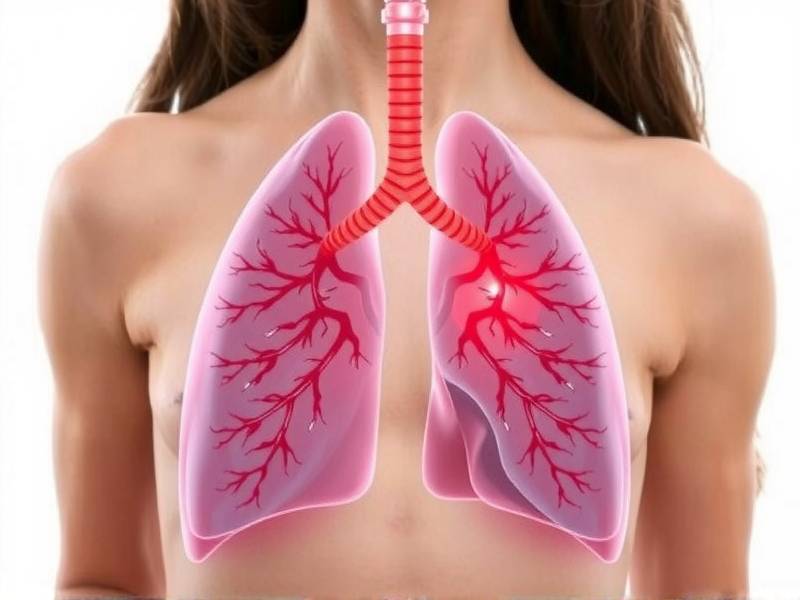
After quitting smoking, your lungs begin to heal almost immediately. Carbon monoxide levels drop, and oxygen levels rise. Over time, cilia (the tiny hair-like structures in your lungs) start to regenerate, helping to clear mucus and prevent infections.
Monitoring Progress
Keep track of your progress by scheduling regular check-ups with your healthcare provider. They can help you assess your lung capacity and provide guidance on maintaining lung health.
Practical Tips for Keeping Your Lungs Healthy Post-Quitting
1. Maintain a Healthy Diet
A balanced diet rich in fruits, vegetables, whole grains, lean proteins, and healthy fats can help support lung function. Omega-3 fatty acids found in fish oil have been shown to reduce inflammation in the lungs.
2. Stay Hydrated
Drinking plenty of water helps keep mucus thin and easier to expel from the lungs. Aim for at least eight glasses a day.
3. Exercise Regularly
Physical activity improves blood flow and strengthens the respiratory muscles. Engage in activities like walking, jogging, swimming, or cycling for at least 30 minutes most days of the week.
4. Avoid Exposure to Pollutants
Smoking cessation is just one step in protecting your lungs. Avoid secondhand smoke and pollutants like dust and chemicals that can irritate or damage lung tissue.
5. Practice Good Hygiene
Washing your hands regularly can prevent respiratory infections that could impact lung health.
Emerging Research on Lung Health Post-Quitting Smoking
Recent studies have highlighted the potential benefits of certain supplements for supporting lung health after quitting smoking:
- N-acetylcysteine (NAC): An antioxidant that may help reduce inflammation in the lungs.
- Vitamin D: Found to improve immune function and potentially reduce the risk of chronic obstructive pulmonary disease (COPD).
Conclusion: Embracing a Healthier Future
Keeping your lungs healthy after quitting smoking is an ongoing process that requires commitment and dedication. By following these tips and staying informed about new research findings, you can take proactive steps towards a healthier life. Remember that every effort counts – even small changes can lead to significant improvements in lung function over time.
Start today by implementing these strategies into your daily routine, and celebrate each milestone along the way as you journey towards better respiratory health!