
What Your Lungs Look Like After You Quit Smoking
The Remarkable Transformation of Your Lungs After Quitting Smoking
Introduction: Quitting smoking is a life-changing decision that offers numerous health benefits. One of the most significant transformations occurs within your body, particularly in your lungs. This article delves into the remarkable changes that occur in your lungs after you quit smoking, providing a compelling reason to kick the habit for good.
I. The Immediate Impact on Your Lungs: A. Reduced Carbon Monoxide Levels B. Improved Oxygen Supply to Body Cells C. Decreased Inflammation and Cilia Function
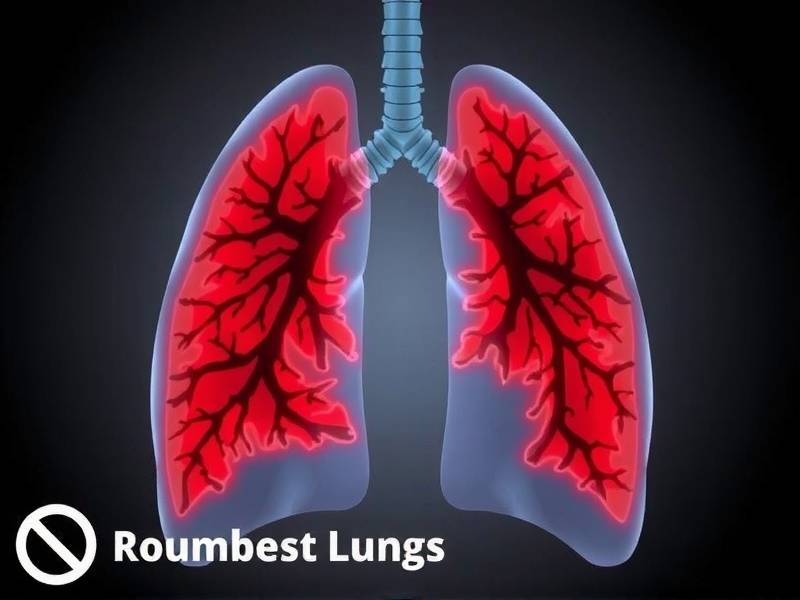
II. Long-Term Benefits and Recovery: A. Enhanced Lung Function and Capacity B. Decreased Risk of Chronic Obstructive Pulmonary Disease (COPD) C. Lowered Risk of Lung Cancer
III. The Power of Quitting Smoking: A. Accelerated Recovery Process B. Improved Quality of Life C. Financial Savings
IV. Real-Life Success Stories: A. Personal Testimonies from Ex-Smokers B. Scientific Studies on Post-Quitting Lung Health
V. Tips for Staying Smoke-Free:
Conclusion: The journey to quitting smoking is challenging, but the rewards are immense, especially when it comes to your lung health. By understanding the remarkable transformation that takes place within your lungs after quitting, you'll be motivated to make a lasting change for a healthier future.
I. The Immediate Impact on Your Lungs:
When you quit smoking, one of the first changes you'll notice is a reduction in carbon monoxide levels within your bloodstream. Carbon monoxide binds with hemoglobin in red blood cells more effectively than oxygen does, leading to decreased oxygen supply to body tissues and organs.
As you stop smoking, these levels decrease rapidly, allowing your blood to carry more oxygen to vital organs, including your lungs and heart.
Another immediate change is improved oxygen supply to body cells due to reduced inflammation and enhanced function of cilia – tiny hair-like structures that help remove mucus and foreign particles from the airways.
II. Long-Term Benefits and Recovery:
Over time, quitting smoking leads to several long-term benefits for lung health:
A) Enhanced Lung Function and Capacity: With reduced inflammation and improved cilia function, your lungs will gradually regain their capacity for efficient gas exchange.
B) Decreased Risk of COPD: Chronic Obstructive Pulmonary Disease (COPD) is a progressive condition characterized by difficulty breathing due to damaged airways and alveoli in the lungs.
Quitting smoking significantly lowers your risk of developing COPD over time.
C) Lowered Risk of Lung Cancer: Smoking is the leading cause of lung cancer worldwide.
By quitting, you drastically reduce your risk of developing this deadly disease in the long run.
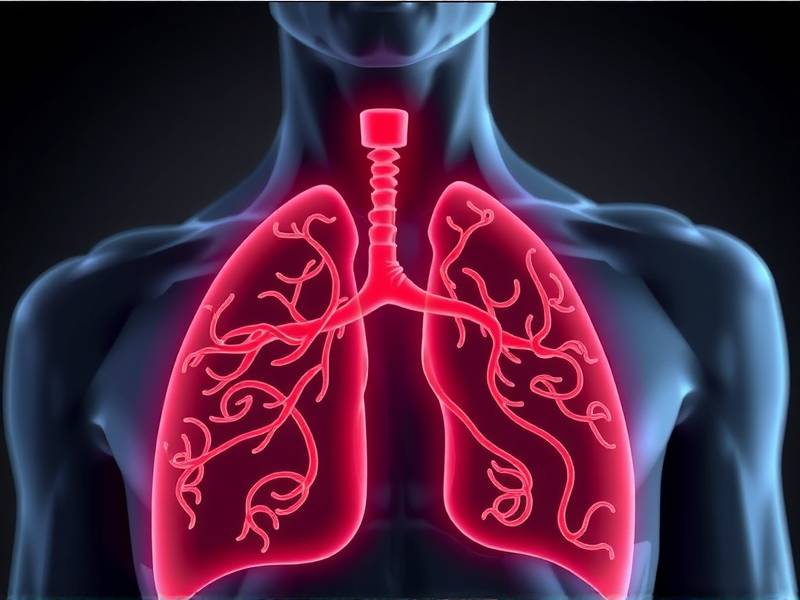
III. The Power of Quitting Smoking:
The decision to quit smoking accelerates recovery processes within your body:
A) Accelerated Recovery Process: Within weeks after quitting, many ex-smokers report feeling more energetic and experiencing fewer respiratory issues such as coughing or shortness of breath.
B) Improved Quality of Life: As lung function improves over time, individuals enjoy better overall well-being and an enhanced quality of life free from nicotine addiction's grip.
C) Financial Savings: Quitting smoking not only benefits your health but also saves money spent on cigarettes over time.
IV. Real-Life Success Stories:
Hearing personal testimonies from ex-smokers can be incredibly motivating:
A) Personal Testimonies from Ex-Smokers: Many individuals have shared their stories about overcoming addiction and experiencing significant improvements in their lung health after quitting smoking.
B) Scientific Studies on Post-Quitting Lung Health: Numerous studies have demonstrated the positive effects quitting has on lung function and overall health over time.
V. Tips for Staying Smoke-Free:
To maintain a smoke-free lifestyle:
1) Seek support from friends, family members, or support groups. 2) Identify triggers that may lead you back to smoking. 3) Replace unhealthy habits with healthy alternatives like exercise or hobbies. 4) Set realistic goals for yourself. 5) Stay committed by reminding yourself why quitting matters most.
Conclusion:
Understanding what happens inside your body after quitting smoking can serve as a powerful motivator for those considering kicking the habit for good. By focusing on the remarkable transformation that occurs in your lungs over time, you'll be inspired to take control of your health today!