
Do You Start Coughing When You Quit Smoking? The Truth About Lung Health After Quitting Tobacco
Understanding the Cough After Quitting Smoking
When you decide to quit smoking, one of the most common symptoms you might experience is a persistent cough. This can be quite unsettling, but it's important to understand what's happening and why.
What Causes the Cough?
The cough that often follows quitting smoking is known as "smoker's cough" or "smoker's hack." This cough is not just a sign of irritation; it's a reflection of your lungs' natural healing process. Here's how it works:
The Buildup in Lungs
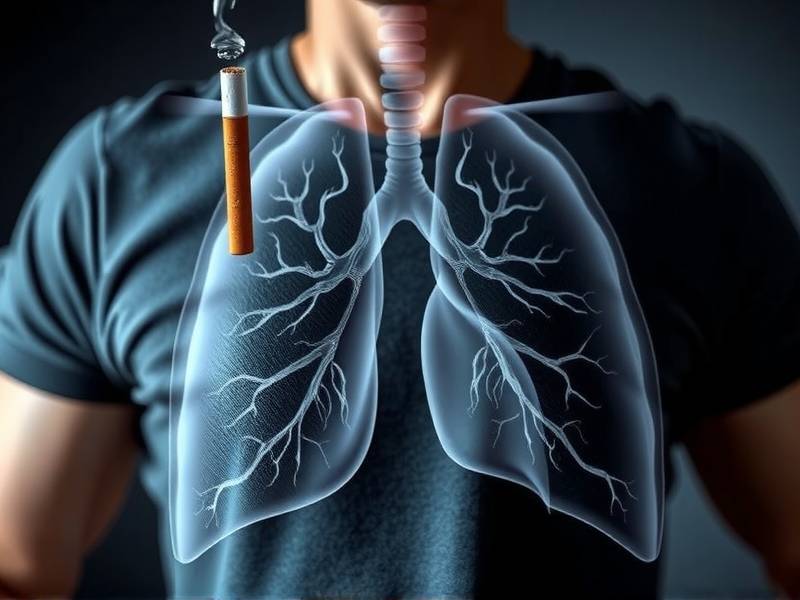
When you smoke, your lungs accumulate tar and other harmful substances. These substances irritate your airways and make it difficult for you to breathe. Over time, this buildup can lead to chronic bronchitis, which causes a persistent cough.
Healing Process
When you quit smoking, your lungs begin to heal immediately. The tar and mucus that have been accumulating in your airways start to break down and are expelled through coughing. This process can take several weeks or even months.
How Long Does It Last?
The duration of the cough after quitting smoking can vary from person to person. Some individuals may experience it for just a few weeks, while others may continue to cough for several months.
Coping with the Cough
While dealing with a persistent cough can be challenging, there are ways to manage it:
- Stay Hydrated: Drinking plenty of water helps thin the mucus and makes it easier for your body to expel.
- Humidify Your Environment: Using a humidifier can add moisture to the air, which can help soothe your throat.
- Avoid Irritants: Stay away from smoke, dust, and other irritants that can exacerbate your cough.
Lung Health After Quitting Tobacco
Quitting smoking not only helps alleviate the symptoms like coughing but also significantly improves lung health over time:
Immediate Benefits
Within 48 hours of quitting, carbon monoxide levels in your blood return to normal. Within two weeks to three months after quitting, your lung function begins to improve as inflammation decreases.
Long-Term Benefits
After one year of not smoking, the risk of coronary heart disease is cut in half compared with continuing smokers. Within 10 years after quitting, the risk of dying from lung cancer is about half that of continuing smokers' risk.
Conclusion
If you're experiencing a cough after quitting smoking, remember that it's part of your body's healing process. While it may be uncomfortable at times, knowing that it's a sign of improvement can be reassuring. By staying hydrated and avoiding irritants, you can manage this symptom more effectively. Remember that every puff counts – quitting tobacco is one of the best decisions you can make for your health.
By understanding what causes this咳嗽 and how long it might last, you'll be better equipped to handle this phase on your journey towards better lung health after quitting tobacco.