
Does Quitting Smoking Really Make You Sleep Worse?
Does Quitting Smoking Really Make You Sleep Worse?
Introduction
The journey to quit smoking is often fraught with challenges, and one of the most common concerns is how it might affect sleep. Many smokers fear that giving up their habit could lead to worse sleep quality. But does quitting smoking really make you sleep worse? Let's explore this topic and separate fact from fiction.
Section 1: The Impact of Smoking on Sleep
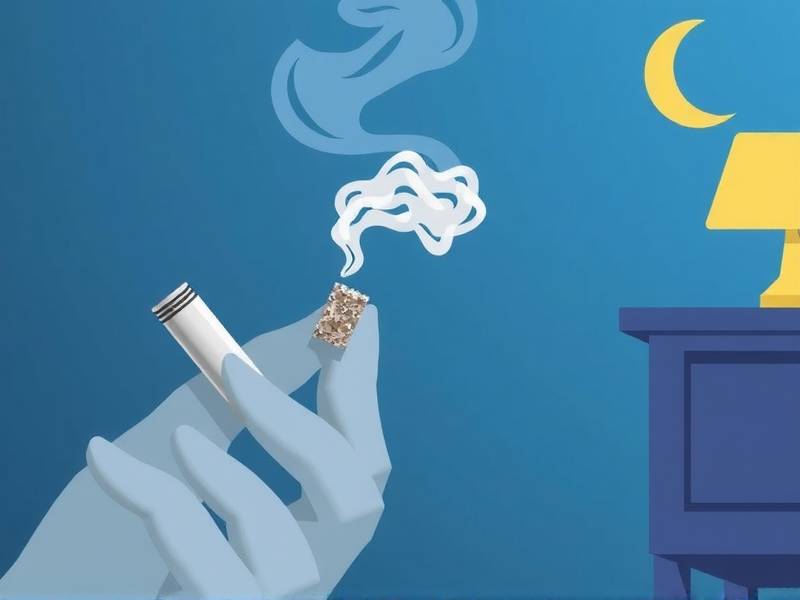
Smoking is well-known for its negative effects on sleep. Nicotine, the primary addictive substance in cigarettes, is a stimulant that can disrupt your sleep cycle. It increases alertness and can make it difficult to fall asleep, as well as cause awakenings during the night.
Moreover, smoking can also lead to snoring and obstructive sleep apnea (OSA), which are both associated with poor sleep quality. Smokers may experience more daytime fatigue due to their disrupted sleep patterns.
Section 2: The Transition to Quitting Smoking
When you decide to quit smoking, your body goes through a withdrawal process. This can include symptoms like irritability, anxiety, and insomnia. It's important to note that these symptoms are temporary and usually diminish within a few weeks.
Some individuals may experience worsened insomnia during this transition period due to increased stress or anxiety related to quitting. However, this does not mean that quitting smoking will lead to chronic insomnia.
Section 3: Improvements in Sleep Quality After Quitting Smoking
Contrary to popular belief, many individuals report improvements in their sleep quality after quitting smoking. This is likely due to several factors:
- Reduced risk of snoring and OSA: As your body adjusts after quitting smoking, you may experience less snoring and improved breathing during sleep.
- Decreased stress and anxiety: Quitting smoking can lead to a decrease in stress levels, which may result in better sleep.
- Improved overall health: As your body heals from the damage caused by smoking, you may notice improvements in your overall health, including better sleep quality.
Section 4: Tips for Improving Sleep After Quitting Smoking
If you're struggling with sleep after quitting smoking, here are some tips that might help:
- Create a relaxing bedtime routine: Engage in calming activities like reading or taking a warm bath before bed.
- Maintain a consistent sleep schedule: Try going to bed and waking up at the same time every day.
- Limit exposure to screens before bed: The blue light emitted by phones, tablets, and computers can interfere with your ability to fall asleep.
- Stay hydrated during the day but avoid drinking fluids close to bedtime.
- Consider relaxation techniques such as meditation or deep breathing exercises.
Conclusion
While some individuals may experience worsened insomnia during the transition period when quitting smoking, many report improvements in their sleep quality after giving up the habit. By implementing healthy lifestyle changes and adopting good sleeping habits, you can enhance your chances of achieving restful nights even as you navigate the challenges of quitting smoking.
Remember that seeking support from healthcare professionals or joining support groups can also provide valuable guidance throughout your journey towards better health and improved sleep quality.