
Can Quitting Smoking Really Cause High Blood Pressure?
Understanding the Concern
Quitting smoking is a significant step towards improving one's health. However, many individuals hesitate due to fears of potential side effects, with high blood pressure being a common concern. But can quitting smoking actually cause high blood pressure? Let's delve into this topic and separate fact from fiction.
The Myth of Immediate Blood Pressure Spikes
It's a common misconception that stopping smoking will lead to an immediate spike in blood pressure. While it's true that nicotine withdrawal can cause temporary fluctuations in blood pressure, these changes are typically mild and short-lived. In fact, the long-term benefits of quitting smoking far outweigh any temporary increase in blood pressure.
The Role of Nicotine Withdrawal
Nicotine is a potent stimulant that affects the cardiovascular system by constricting blood vessels and increasing heart rate. When you quit smoking, your body goes through a period of nicotine withdrawal. During this time, you might experience symptoms such as anxiety, irritability, and indeed, changes in blood pressure.
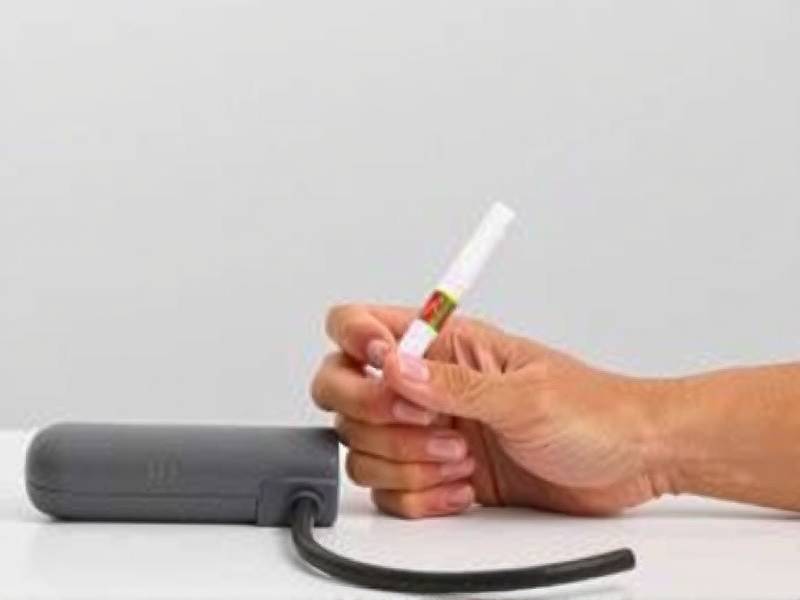
Temporary Effects vs. Long-Term Benefits
The temporary rise in blood pressure during nicotine withdrawal is often more psychological than physical. It's important to remember that these effects are not permanent and will gradually diminish as your body adjusts to the absence of nicotine.
On the other hand, the long-term benefits of quitting smoking include:
- Reduced risk of heart disease and stroke
- Improved lung function
- Decreased risk of various cancers
- Better overall health and well-being
Strategies for Managing Withdrawal Symptoms
To help manage the symptoms of nicotine withdrawal and minimize any potential impact on blood pressure, consider the following strategies:
- Stay Hydrated: Drinking plenty of water can help alleviate some withdrawal symptoms.
- Exercise Regularly: Physical activity can reduce stress levels and improve cardiovascular health.
- Seek Support: Joining a support group or speaking with a healthcare professional can provide guidance and encouragement.
- Alternative Therapies: Some people find relief through alternative therapies like meditation or acupuncture.
Conclusion: The Real Risk
While there may be some temporary fluctuations in blood pressure when you quit smoking, these are not enough to outweigh the numerous health benefits associated with quitting. The real risk lies in continuing to smoke, which significantly increases your chances of developing hypertension and other serious health issues.
Remember, every individual's experience may vary slightly when it comes to quitting smoking. If you're concerned about high blood pressure or any other aspect of戒烟, it's always best to consult with a healthcare professional who can provide personalized advice based on your specific circumstances.
By focusing on the positive outcomes and managing withdrawal symptoms effectively, you can successfully navigate the journey towards a smoke-free life while maintaining healthy blood pressure levels.