
Do Cravings Ever Go Away After Quitting Smoking?
The Long Journey to Overcoming Smoking Cravings: Does the Desire Ever Fade?
Introduction: The journey to quitting smoking is a challenging one, filled with moments of temptation and cravings. One common question that many smokers ask is whether these cravings ever go away after they quit. In this article, we will explore the nature of cravings, their persistence, and what you can do to overcome them.
Understanding Cravings: Cravings are intense desires for something, often triggered by certain stimuli or emotions. When it comes to smoking, these cravings are usually linked to the release of nicotine in the body. Nicotine is a highly addictive substance that affects the brain's reward system, creating a cycle of dependency.

The Persistence of Cravings: It's important to note that cravings can be quite persistent, especially during the initial stages of quitting smoking. According to research conducted by the National Cancer Institute (NCI), most smokers experience intense cravings within the first few days after quitting. However, these cravings tend to diminish over time as your body adjusts to being nicotine-free.
The Role of Time: While cravings can be overwhelming at first, it's crucial to understand that they do not last forever. The NCI suggests that most smokers find their cravings decrease significantly after two weeks and continue to diminish over several months. This timeline may vary from person to person, but it's important to remember that patience and persistence are key in overcoming these desires.
Strategies for Overcoming Cravings:
- Stay busy: Keeping yourself occupied can help distract you from the urge to smoke.
- Seek support: Reach out to friends, family, or support groups who understand your struggle.
- Practice relaxation techniques: Activities such as deep breathing or meditation can help calm your mind and reduce cravings.
- Identify triggers: Recognize situations or emotions that may trigger your desire for a cigarette and develop strategies to cope with them.
- Reward yourself: Set goals for staying smoke-free and reward yourself when you achieve them.
Conclusion: Quitting smoking is an arduous process, but it's worth it for your health and well-being. While cravings may never completely disappear, they do become less intense over time as your body adjusts and you develop coping strategies. By staying patient and committed, you can overcome these desires and enjoy a smoke-free life.
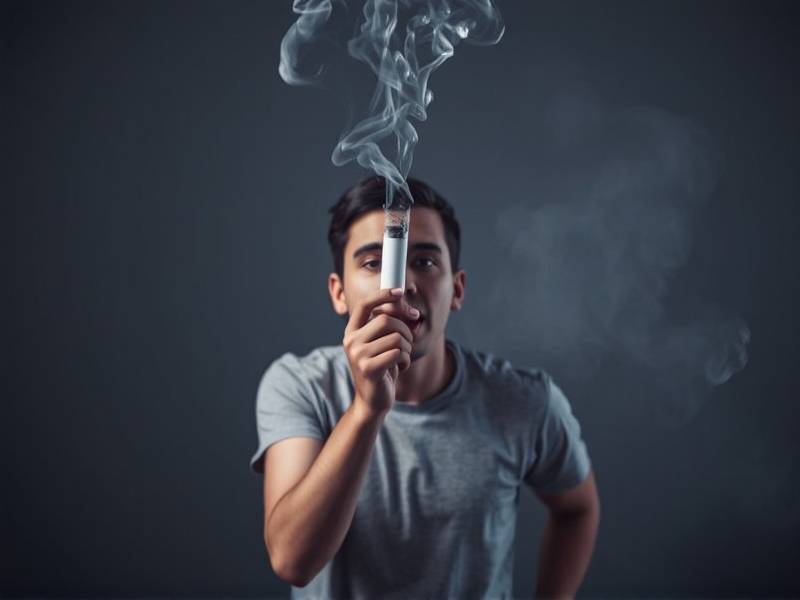
Remember, seeking professional help or joining support groups can greatly increase your chances of success in quitting smoking for good. With determination and support, you can conquer those lingering cravings and take control of your health today!