
Will My Lungs Heal After I Quit Smoking?
Understanding the Impact of Smoking on Lungs
Smoking is a habit that can have devastating effects on your health, especially your lungs. When you inhale cigarette smoke, it carries thousands of harmful chemicals into your respiratory system. These chemicals can lead to a variety of lung conditions, including chronic bronchitis, emphysema, and even lung cancer.
The Healing Process: What to Expect
The good news is that your lungs have an incredible capacity for healing. Once you quit smoking, your body begins to repair the damage caused by the harmful chemicals. The speed and extent of this healing process can vary from person to person, but here's what you can generally expect:
Immediate Benefits
- Within hours: Your blood pressure and pulse rate begin to return to normal.
- After 2–12 weeks: Your breathing improves as the bronchial tubes relax and clear out mucus.
- After 1–9 months: Any shortness of breath you may have experienced should decrease significantly.
Long-Term Benefits
- After 1 year: Your risk of coronary heart disease is cut in half.
- After 5 years: Your risk of stroke is reduced.
- After 10 years: Your risk of lung cancer drops by about half compared with that of a continuing smoker.
How Quitting Smoking Aids Lung Healing
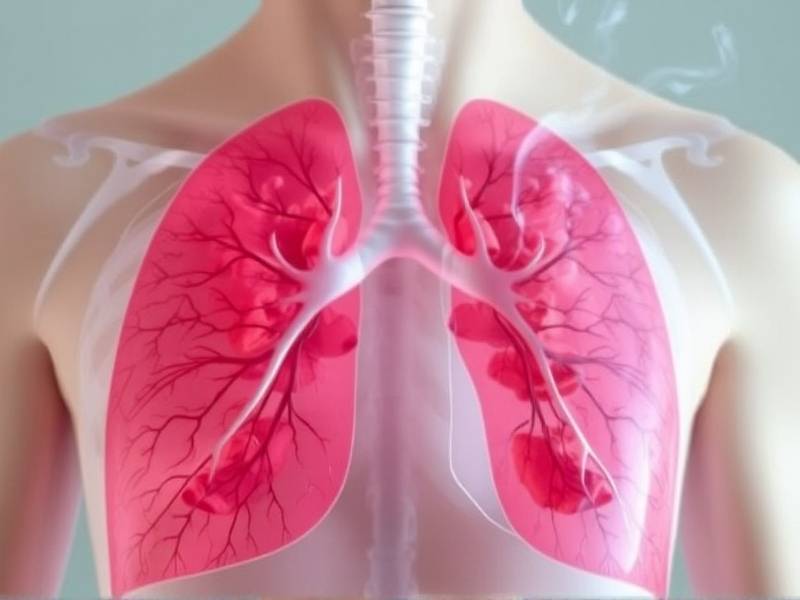
Quitting smoking is crucial for lung healing because it stops the constant influx of harmful chemicals into your lungs. Here are some ways quitting smoking aids in the healing process:
Reduces Inflammation
Smoking causes inflammation in the lungs, which hinders healing. Quitting smoking helps reduce this inflammation, allowing your lungs to repair themselves more effectively.
Improves Oxygen Supply
When you quit smoking, your blood vessels start to dilate, improving blood flow and oxygen supply to your lungs. This helps in faster recovery and reduces the risk of further damage.
Clears Out Mucus
The act of quitting smoking also helps clear out mucus that accumulates in the airways due to inflammation. This mucus can contain harmful bacteria and other irritants that hinder healing.
The Role of Support Systems
Support systems play a crucial role in helping individuals quit smoking successfully. Here are some support systems that can aid in lung healing:
Professional Help
Seeking help from healthcare professionals like doctors or therapists can provide personalized advice and support throughout your journey.
Support Groups
Joining support groups where individuals share their experiences and strategies for quitting smoking can be incredibly beneficial.
Nicotine Replacement Therapy (NRT)
NRT products like patches, gum, lozenges, inhalers, or nasal sprays can help reduce cravings and withdrawal symptoms during the quitting process.
Conclusion
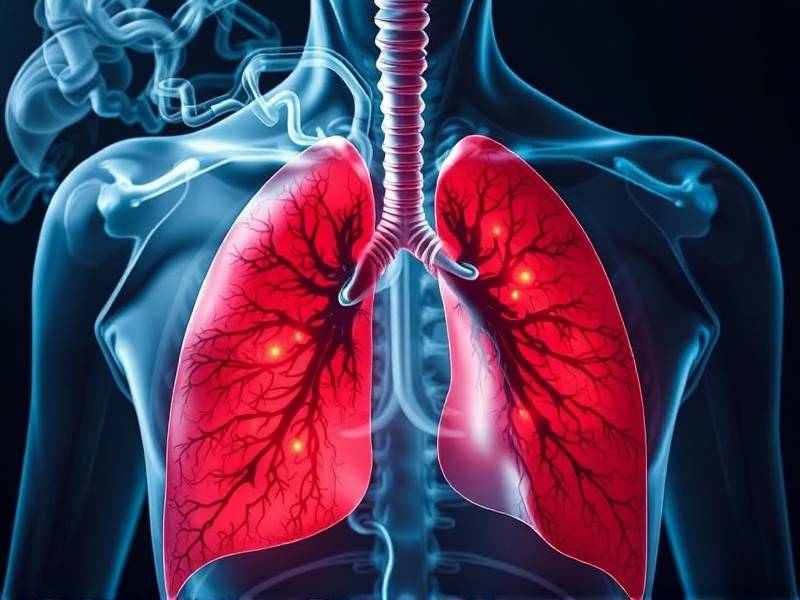
Your lungs have a remarkable ability to heal after you quit smoking. While it may take time for them to fully recover from years of exposure to cigarette smoke, every day without smoking brings them closer to health. By seeking support and adopting healthy lifestyle changes, you can significantly improve your chances of successful lung healing after quitting smoking.