
How to Cleanse Your Lungs When You Quit Smoking: Effective Methods for Better Health
Introduction: The Journey to Lung Health
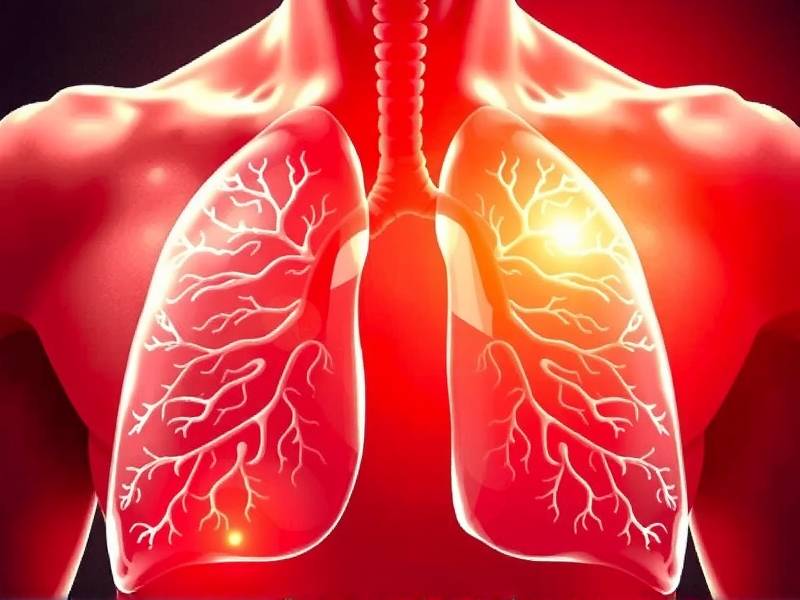
Quitting smoking is a significant step towards improving your overall health, but it's not just about breaking the habit—it's also about repairing the damage done to your body. Your lungs, in particular, bear the brunt of tobacco smoke, and they need time to heal and regenerate. This article delves into effective methods for cleansing your lungs after quitting smoking, providing you with a roadmap to better health.
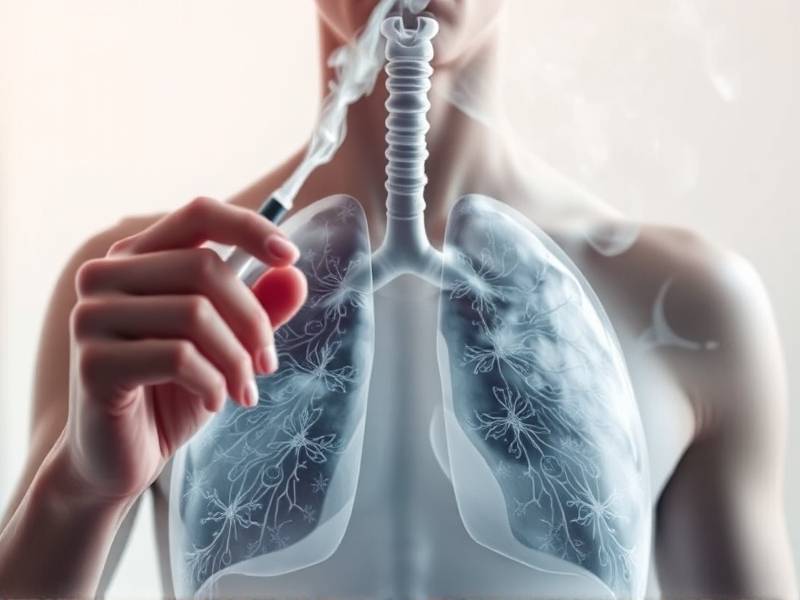
Understanding Lung Damage from Smoking
Before we dive into the cleansing methods, it's crucial to understand the extent of lung damage caused by smoking. Tobacco smoke contains over 7,000 chemicals, many of which are toxic. These chemicals can lead to inflammation, scarring, and reduced lung function over time.
Step 1:QUIT SMOKING The first and most important step is to quit smoking. This is where your journey begins. The sooner you quit, the sooner your body can start healing itself.
Step 2:Hydration Water is essential for flushing out toxins from your body. Increase your water intake significantly after quitting smoking. Aim for at least 8-10 glasses a day.
Step 3:Nutrition A balanced diet rich in fruits, vegetables, whole grains, lean proteins, and healthy fats can provide the necessary nutrients for lung repair. Foods high in antioxidants like berries and dark leafy greens can help combat oxidative stress caused by smoking.
Step 4:Lung-Boosting Exercises Regular exercise can improve lung capacity and overall respiratory health. Activities such as walking, cycling, swimming, or yoga can be beneficial.
Step 5:Deep Breathing Techniques Practicing deep breathing exercises can help expand your lungs and improve oxygen flow. Techniques like diaphragmatic breathing or pursed-lip breathing are particularly helpful.
Step 6:Avoid Exposure to Pollutants Minimize exposure to air pollutants such as secondhand smoke, dust particles, and chemical fumes as they can further irritate your lungs.
Step 7:Consider Professional Help If you're struggling with cravings or withdrawal symptoms after quitting smoking, consider seeking professional help from a healthcare provider or a support group.
Conclusion: A Pathway to Improved Lung Health
Cleansing your lungs after quitting smoking is a gradual process that requires patience and dedication. By adopting these effective methods—combined with the decision to quit—you're taking significant steps towards restoring your lung health. Remember that every day without a cigarette brings you closer to a healthier future.
For more information on quitting smoking and improving lung health, visit reputable health websites that offer valuable resources and support.