
What Really Happens When You Quit Smoking Cigs?
What Really Happens When You Quit Smoking Cigarettes?
Introduction: Smoking has been a long-standing habit for many, but the decision to quit can be daunting. Understanding the changes that occur in your body when you give up cigarettes is a powerful motivator. This article delves into what really happens when you quit smoking cigarettes, providing you with valuable insights into the journey ahead.
I. Immediate Benefits of Quitting Smoking

A. Improved Lung Function When you quit smoking, your lungs begin to repair themselves almost immediately. Within 20 minutes of your last cigarette, your heart rate and blood pressure drop, and carbon monoxide levels in your blood start to decrease. Within 48 hours, your sense of smell and taste improve significantly.
B. Reduced Risk of Heart Disease Within a few weeks of quitting smoking, your risk of heart disease begins to decline as your blood circulation improves. Your heart rate and resting blood pressure will continue to decrease over time.
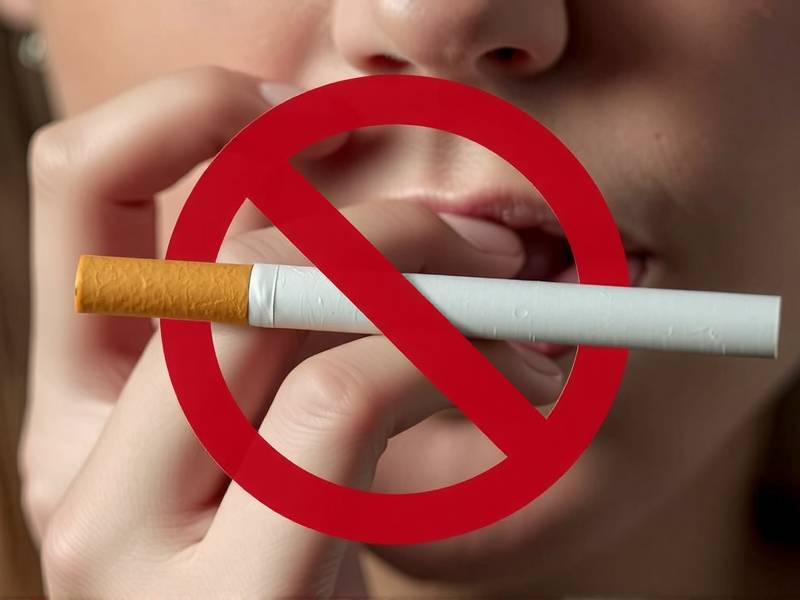
II. Long-term Benefits of Quitting Smoking
A. Lower Risk of Cancer Quitting smoking can significantly reduce the risk of developing various types of cancer, including lung, throat, mouth, esophagus, bladder, kidney, pancreas, and cervix cancer.
B. Enhanced Immune System As time progresses after quitting smoking, your immune system becomes stronger and more efficient at fighting off infections.
C. Improved Bone Health Smokers have a higher risk of osteoporosis due to nicotine's impact on calcium absorption. Quitting smoking can help improve bone health over time.
III. Emotional and Mental Benefits
A. Increased Energy Levels Within days or weeks after quitting smoking, many individuals report increased energy levels as their bodies adjust to being nicotine-free.
B. Improved Sleep Quality Quitting smoking can lead to better sleep patterns as nicotine disrupts sleep by raising heart rate and blood pressure.
C. Enhanced Mood Many smokers find that their mood improves after quitting due to the release of endorphins in response to the absence of nicotine.
IV. Strategies for Successful Quitting
A. Seek Support Joining a support group or seeking counseling can provide motivation and coping strategies during the quitting process.
B. Identify Triggers Identifying situations that trigger cravings is crucial for developing strategies to avoid them or manage them effectively.
C. Consider Nicotine Replacement Therapy (NRT) NRT products like patches, gum, lozenges, inhalers, or nasal sprays can help alleviate withdrawal symptoms by delivering controlled amounts of nicotine without the harmful chemicals found in cigarettes.
Conclusion: Quitting smoking is a challenging endeavor; however, understanding the immediate and long-term benefits can serve as a powerful incentive for success. By seeking support, identifying triggers, and exploring various strategies like NRT or counseling services available online at smokefree.gov (a reliable resource), you'll be well on your way toward a healthier life without cigarettes!