
Does Quitting Smoking Improve Digestion? The Science Behind the Question
Introduction: The Quest for a Healthier Digestive System
The human body is an intricate machine, and every aspect of it plays a crucial role in maintaining overall health. One area that often takes a hit due to smoking is digestion. Many people who have quit smoking have reported improvements in their digestive health. But does quitting smoking really improve digestion? Let's delve into the science behind this question.
Understanding Smoking and Its Effects on the Digestive System
What Happens When You Smoke?
When you smoke, the chemicals in tobacco enter your bloodstream. These chemicals can cause inflammation and damage to various organs, including the digestive system. Chronic inflammation can lead to conditions such as gastritis, peptic ulcers, and even colorectal cancer.
The Impact on Digestion
The digestive system is responsible for breaking down food, absorbing nutrients, and eliminating waste. Smoking can disrupt this process in several ways:
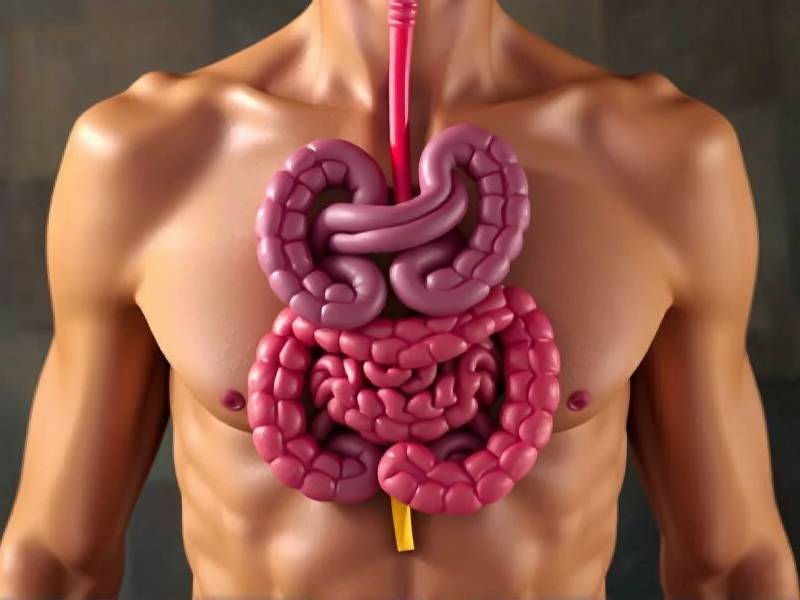
- Reduced Saliva Production: Saliva helps to break down food and protect the lining of the esophagus. Smoking reduces saliva production, making it harder to digest food properly.
- Slower Stomach Emptying: Smoking can slow down the rate at which your stomach empties its contents into the small intestine. This can lead to bloating and discomfort.
- Increased Risk of Gastroesophageal Reflux Disease (GERD): GERD occurs when stomach acid flows back into the esophagus, causing heartburn and other symptoms. Smoking exacerbates this condition.
The Benefits of Quitting Smoking on Digestion
Now that we understand how smoking affects digestion, let's explore how quitting smoking can lead to improvements in this area.
Reduced Inflammation
Quitting smoking reduces inflammation throughout the body, including the digestive system. This can lead to a decrease in symptoms such as heartburn, bloating, and abdominal pain.
Improved Saliva Production
As you stop smoking, your body will gradually restore normal saliva production. This helps with proper digestion and protects your esophagus from damage.
Faster Stomach Emptying
Over time, quitting smoking may help normalize stomach emptying rates, reducing bloating and discomfort associated with slow digestion.
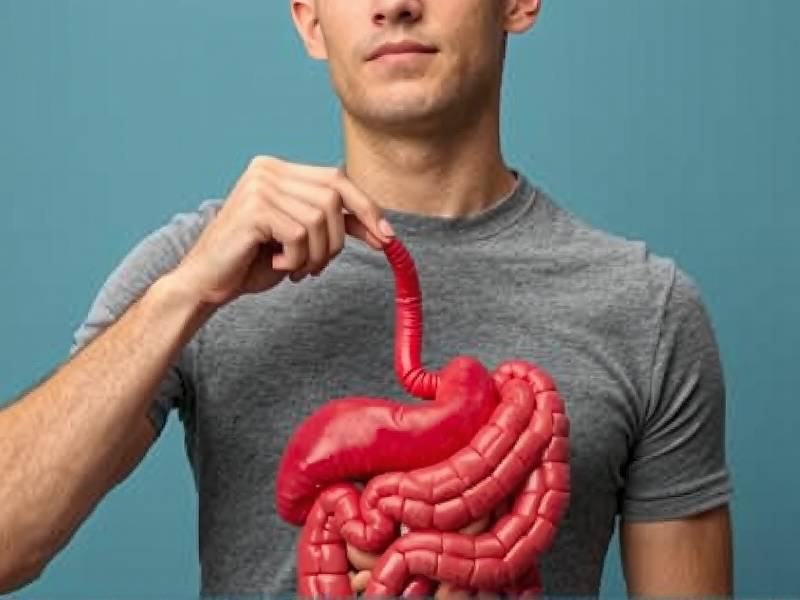
Reduced Risk of GERD
By reducing inflammation and improving saliva production, quitting smoking may also help lower your risk of developing GERD.
Scientific Evidence Supporting These Claims
Several studies have provided evidence supporting the benefits of quitting smoking on digestion:
- A study published in "Gastroenterology" found that individuals who quit smoking experienced significant improvements in their gastrointestinal symptoms.
- Another study published in "The American Journal of Gastroenterology" reported that former smokers had a lower risk of developing GERD compared to current smokers.
Conclusion: Is Quitting Smoking Worth It?
While it's clear that quitting smoking has numerous health benefits, especially for your digestive system, it's essential to note that these improvements may not be immediate. It takes time for your body to recover from years of exposure to harmful chemicals from tobacco smoke.
If you're considering quitting smoking or are already on this journey, know that every step you take is a step towards better health – including improved digestion. The science behind this question suggests that there is indeed a strong connection between quitting smoking and better digestive health. So why not give it a try?