
How to Improve Lung Health Quickly After Quitting Smoking
Quick Strategies to Enhance Lung Health Post Smoking Cessation
Introduction: The decision to quit smoking is a significant step towards improving overall health, especially lung health. While the journey to recovery can be gradual, there are several effective strategies you can adopt to accelerate the process of restoring your lung function. In this article, we will explore some practical steps to enhance lung health quickly after quitting smoking.
-
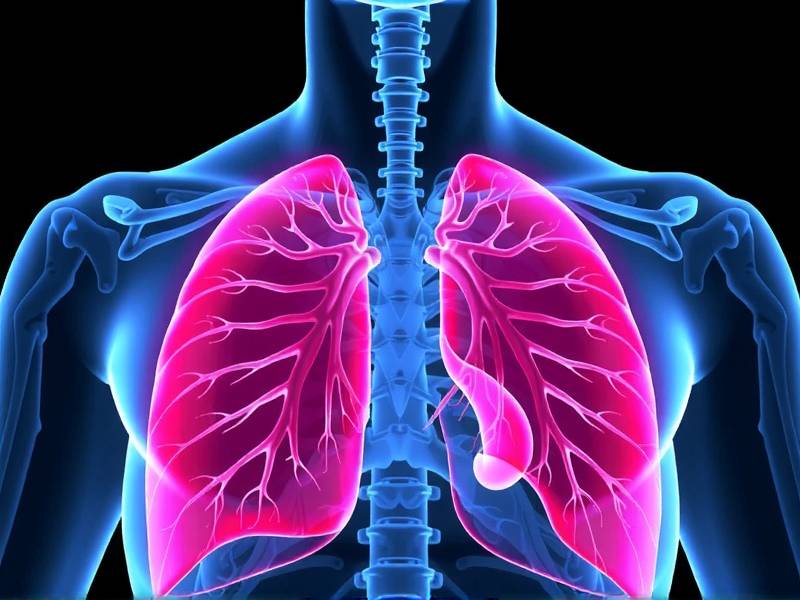
Understand the Impact of Smoking on Lungs It is crucial to comprehend the extent of damage caused by smoking to your lungs. According to the American Lung Association, smoking can lead to chronic obstructive pulmonary disease (COPD), emphysema, and lung cancer. By understanding the risks, you'll be more motivated to take proactive measures for recovery.
-
Increase Oxygen Intake One of the most effective ways to improve lung health post quitting smoking is by increasing oxygen intake. Engage in activities that boost your breathing capacity, such as:
a. Deep Breathing Exercises: Practice deep breathing exercises daily to enhance lung function and reduce stress. b. Aerobic Exercises: Regular aerobic exercises like walking, running, or cycling can help improve lung capacity and overall fitness. c. Yoga: Yoga poses that focus on breathing can help relax your lungs and enhance their function.
-
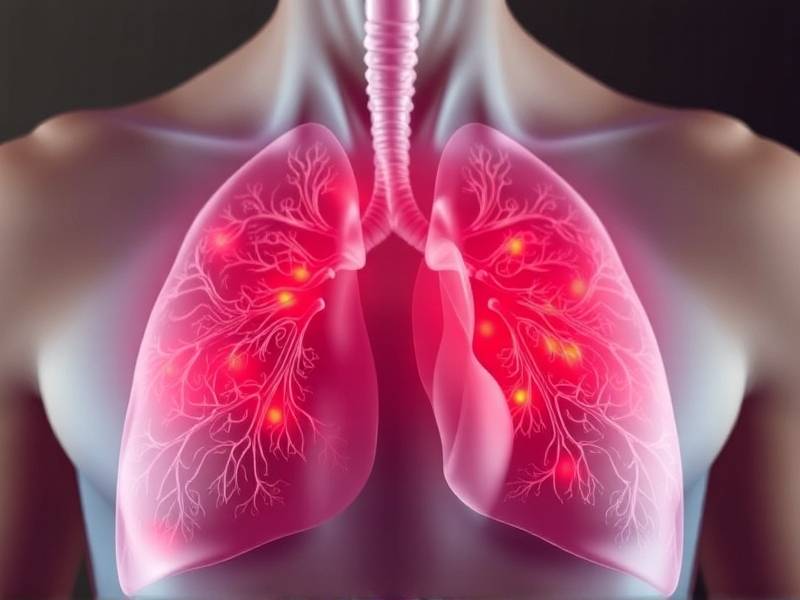
Stay Hydrated Drinking plenty of water is essential for maintaining healthy lungs. Water helps in clearing out toxins from your body and keeping your respiratory system hydrated.
-
Avoid Exposure to Pollutants Protect your lungs from further damage by avoiding exposure to harmful pollutants such as secondhand smoke, dust, and chemical fumes.
-
Quitting Smoking Cold Turkey or Gradually? While some individuals may opt for a cold turkey approach, others may find it helpful to quit gradually by reducing their cigarette intake over time. Both methods have their benefits; it ultimately depends on your personal preference and readiness for change.
-
Consult Healthcare Professionals Seek guidance from healthcare professionals who specialize in respiratory care or pulmonologists for personalized advice on improving lung health post quitting smoking.
-
Adopt a Healthy Diet A balanced diet rich in fruits, vegetables, whole grains, lean proteins, and healthy fats can provide essential nutrients that support lung function and recovery.
-
Manage Stress Levels Stress can exacerbate respiratory issues; hence it's crucial to find effective stress management techniques like meditation or mindfulness practices.
Conclusion: Improving lung health after quitting smoking requires dedication and patience but is well worth the effort. By incorporating these strategies into your daily routine and seeking professional advice when needed, you can accelerate the process of restoring your lungs' functionality and enjoy a healthier life ahead!