
Chances of Lung Cancer When Quitting Smoking: What You Need to Know
Understanding Your Lung Cancer Risk After Smoking Cessation: Essential Insights
Introduction: The decision to quit smoking is a significant step towards improving your health and reducing the risk of various diseases, including lung cancer. However, many smokers are curious about the chances of developing lung cancer after they stop smoking. This article aims to provide you with essential insights into the likelihood of lung cancer after quitting smoking and what you can do to minimize your risk.
Section 1: The Link Between Smoking and Lung Cancer

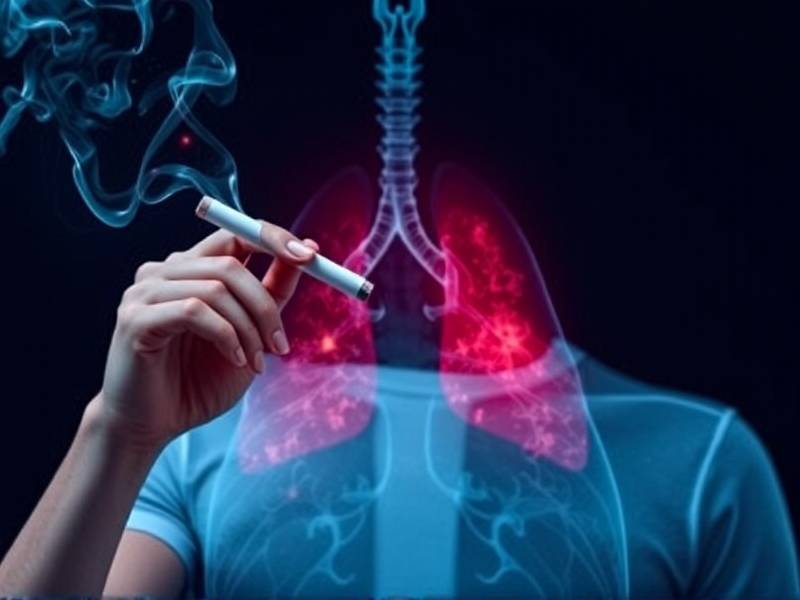
Smoking is the leading cause of lung cancer worldwide. When you smoke, harmful chemicals enter your lungs, damaging the delicate tissue and increasing the risk of developing cancer cells. While quitting smoking reduces this risk over time, it's important to understand that there is still a possibility of developing lung cancer even after you have stopped.
Section 2: Chances of Lung Cancer After Quitting Smoking
The chances of developing lung cancer after quitting smoking depend on several factors, such as:
-
Duration of Smoking: The longer you smoked and the more cigarettes you smoked per day, the higher your risk of developing lung cancer after quitting.
-
Age at Quitting: Quitting smoking at a younger age significantly reduces your risk compared to quitting later in life.
-
Genetic Factors: Some individuals may have a genetic predisposition to develop lung cancer, which can further increase their risk even after quitting.
-
Exposure to Secondhand Smoke: Continued exposure to secondhand smoke can also contribute to your risk of developing lung cancer after quitting.
Section 3: Reducing Your Risk After Quitting Smoking
While it's impossible to eliminate all risks associated with past smoking habits, there are steps you can take to reduce your chances of developing lung cancer:
-
Maintain a Healthy Lifestyle: Eating a balanced diet rich in fruits, vegetables, and whole grains can help lower your risk. Regular physical activity also plays a crucial role in maintaining overall health and reducing the likelihood of developing lung cancer.
-
Avoid Exposure to Secondhand Smoke: By avoiding environments where secondhand smoke is present, you can further reduce your risk.
-
Regular Check-ups: Regular medical check-ups are essential for early detection and treatment of any potential health issues that may arise after quitting smoking.
-
Consider Vaccinations: Vaccinations such as the flu shot can help prevent infections that may increase your risk of complications related to lung health.
Conclusion:
Quitting smoking is an important step towards reducing your chances of developing lung cancer and improving your overall health. While there is still a possibility of developing lung cancer even after quitting, taking proactive measures can help minimize this risk. By maintaining a healthy lifestyle, avoiding secondhand smoke, and staying vigilant about your health through regular check-ups and vaccinations, you can make strides towards a healthier future.