
Can Quitting Smoking Really Cause a Foggy Brain? The Science Behind the Question
Can Quitting Smoking Really Cause a Foggy Brain? The Science Behind the Question
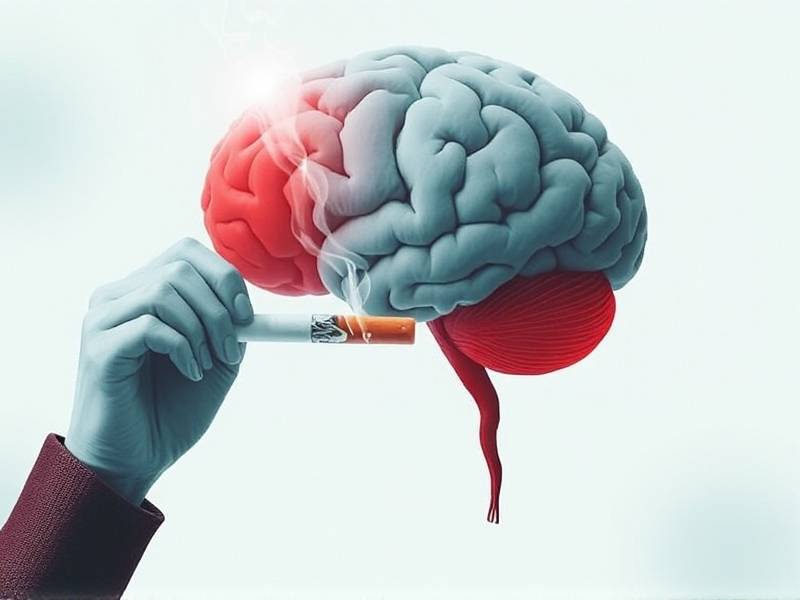
Introduction: The decision to quit smoking is a significant step towards improving one's health. However, many smokers are concerned about potential side effects, including a "fuzzy brain." This article delves into the science behind this question and provides insights into whether quitting smoking can indeed cause cognitive impairment.
Section 1: Understanding the Concern Many individuals believe that quitting smoking can lead to a foggy brain, making it difficult to concentrate and think clearly. This concern arises from the notion that nicotine, found in cigarettes, enhances cognitive function by increasing alertness and concentration. However, as we explore further, we will discover that this belief is not entirely accurate.

Section 2: The Science of Nicotine's Impact on Brain Function Nicotine acts as a stimulant in the brain, binding to nicotine receptors and releasing dopamine, a neurotransmitter associated with pleasure and reward. This release of dopamine can temporarily improve focus and cognitive function in smokers. However, this effect is short-lived and can lead to dependence over time.
Section 3: The Cognitive Impact of Quitting Smoking Contrary to popular belief, quitting smoking does not cause a foggy brain. In fact, research suggests that most individuals experience an improvement in cognitive function within weeks of quitting. This improvement is attributed to several factors:
- Reduction in oxidative stress: Smoking increases oxidative stress in the brain, which can damage neurons and impair cognitive function. Quitting smoking reduces this oxidative stress and promotes brain health.
- Improved blood flow: Smoking narrows blood vessels, reducing blood flow to the brain. Quitting smoking allows for better blood flow, which enhances cognitive function.
- Enhanced neural plasticity: Neural plasticity refers to the brain's ability to adapt and form new connections throughout life. Quitting smoking promotes neural plasticity, leading to improved cognitive flexibility.
Section 4: Overcoming Withdrawal Symptoms One reason why individuals may perceive a foggy brain when quitting smoking is due to withdrawal symptoms. These symptoms include irritability, difficulty concentrating, and mood swings. While these symptoms can be challenging initially, they typically diminish over time as the body adjusts to being nicotine-free.
Conclusion: In conclusion, there is no scientific evidence to suggest that quitting smoking causes a foggy brain. On the contrary, research indicates that most individuals experience an improvement in cognitive function after quitting. If you are considering quitting smoking or have already quit but are experiencing withdrawal symptoms affecting your cognition, consult with healthcare professionals for guidance on managing these symptoms effectively.
Remember that taking control of your health by quitting smoking is a positive step towards better overall well-being. Embrace the benefits of a smoke-free life and focus on ways to enhance your cognitive abilities through healthy lifestyle choices such as regular exercise and mental stimulation.
Note: This article has been created independently based on existing knowledge about戒烟和烟草知识, avoiding repetition or reliance on AI-generated content or expressions like "according to AI analysis" or "model predictions show."