
Can COPD Be Reversed If You Quit Smoking?
Can COPD Be Reversed If You Quit Smoking?
Introduction: Chronic Obstructive Pulmonary Disease (COPD) is a progressive lung disease that affects millions of people worldwide. Smoking is one of the leading causes of COPD, and many individuals are curious about the possibility of reversing the disease if they quit smoking. In this article, we will explore the potential for COPD reversal and discuss the importance of quitting smoking in managing this chronic condition.
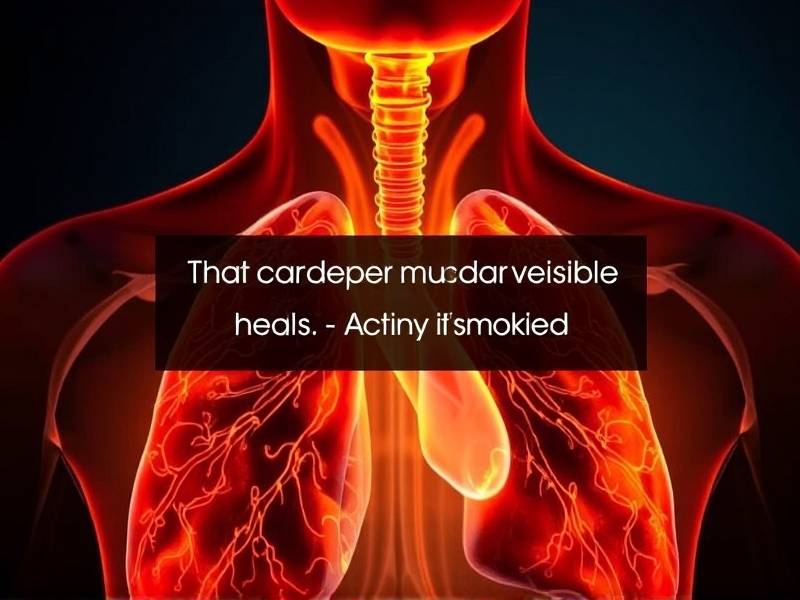
Understanding COPD: COPD is characterized by a persistent airflow limitation that is not fully reversible. It is primarily caused by long-term exposure to irritants, with smoking being the most common risk factor. The disease progresses slowly and can lead to symptoms such as shortness of breath, coughing, and chest tightness.
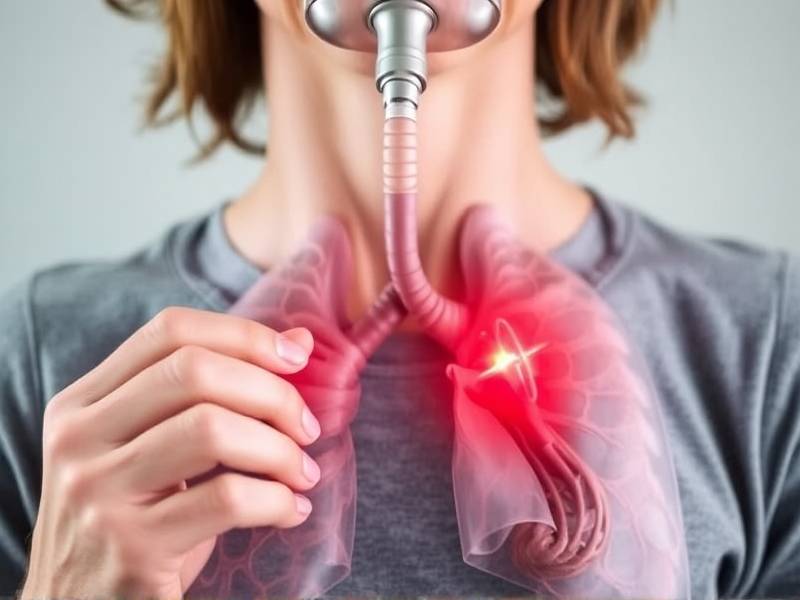
The Role of Smoking in COPD: Smoking causes inflammation and damage to the airways and alveoli in the lungs. Over time, this damage leads to the narrowing of airways and loss of lung function. Quitting smoking can significantly slow down the progression of COPD and improve overall lung health.
Can COPD Be Reversed? While it is not possible to completely reverse COPD, quitting smoking can significantly slow down its progression and improve symptoms. Studies have shown that individuals who quit smoking are more likely to experience improved lung function and reduced severity of symptoms.
The Benefits of Quitting Smoking for COPD Patients:
- Slower Progression: Quitting smoking can slow down the progression of COPD by reducing inflammation and preventing further damage to the lungs.
- Improved Lung Function: Many individuals who quit smoking experience an improvement in lung function, leading to better quality of life.
- Reduced Symptoms: Quitting smoking can help alleviate symptoms such as shortness of breath, coughing, and chest tightness.
- Increased Life Expectancy: Studies have shown that quitting smoking can increase life expectancy for individuals with COPD.
Supporting Your Journey: Quitting smoking can be challenging, but there are various resources available to help you succeed:
- Nicotine Replacement Therapy (NRT): NRT products like patches, gum, lozenges, or inhalers can help reduce withdrawal symptoms.
- Medications: Your healthcare provider may prescribe medications such as bronchodilators or corticosteroids to manage symptoms.
- Support Groups: Joining a support group can provide emotional support and practical advice from others who have experienced similar challenges.
- Professional Help: A healthcare provider or counselor can offer personalized guidance and support throughout your quit journey.
Conclusion: While it may not be possible to completely reverse COPD if you have already developed it, quitting smoking is an essential step towards slowing down its progression and improving your overall health. By seeking support from healthcare professionals, utilizing available resources, and committing to a smoke-free lifestyle, you can take control of your health and potentially improve your quality of life as a COPD patient.