
How Long After Quitting Smoking Will Cough Go Away?
How Long After Quitting Smoking Will Cough Go Away?
Introduction: Quitting smoking is a significant step towards improving your health. While the decision to quit is often met with excitement and anticipation, many ex-smokers face challenges such as persistent coughing. In this article, we will explore how long it typically takes for a cough to disappear after quitting smoking and what you can do to alleviate symptoms during this period.
Understanding the Cough: When you quit smoking, your body undergoes several changes as it tries to heal from the years of tobacco exposure. One common symptom that many ex-smokers experience is a cough. This cough can be caused by several factors:
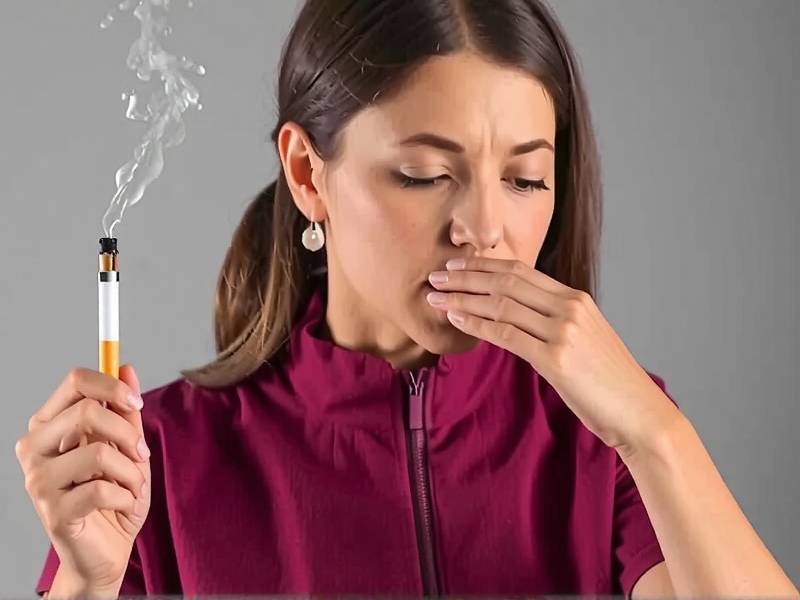
- The body's attempt to clear out tar and mucus from the lungs.
- Irritation of the airways due to smoke exposure.
- The healing process of damaged lung tissue.
How Long Does It Take for the Cough to Go Away? The duration it takes for a cough to disappear after quitting smoking can vary from person to person. On average, most individuals find that their cough diminishes within 3-4 weeks after quitting. However, some may experience a lingering cough for up to 3 months.
Factors That Influence Cough Duration: Several factors can influence how long it takes for your cough to subside:
- The duration of your smoking history: The longer you smoked, the more time it may take for your body to recover.
- The number of cigarettes smoked daily: A higher cigarette consumption can lead to more severe respiratory symptoms.
- Your overall health: Individuals with pre-existing respiratory conditions may experience a longer-lasting cough.
Tips for Alleviating Cough Symptoms: While waiting for your cough to subside, here are some tips that may help alleviate symptoms:
- Stay hydrated: Drinking plenty of water helps thin mucus and makes it easier to expel from your lungs.
- Use steam therapy: Inhaling steam from a hot shower or using a humidifier can help soothe irritated airways.
- Avoid irritants: Stay away from secondhand smoke, dust, and other allergens that can exacerbate your cough.
- Practice deep breathing exercises: These exercises can improve lung function and help clear mucus from your airways.
Seeking Professional Help: If you experience persistent or severe咳嗽 after quitting smoking, it's essential to consult with a healthcare professional. They can evaluate your symptoms and provide appropriate treatment options.
Conclusion: Quitting smoking is an excellent decision that brings numerous health benefits over time. While a persistent cough may be an initial challenge, most individuals find that their symptoms improve within a few weeks after quitting. By staying hydrated, avoiding irritants, and seeking professional help if needed, you can effectively manage this temporary symptom on your journey towards better health.
Remember, every day without smoking is a step closer to improved lung function and overall well-being!