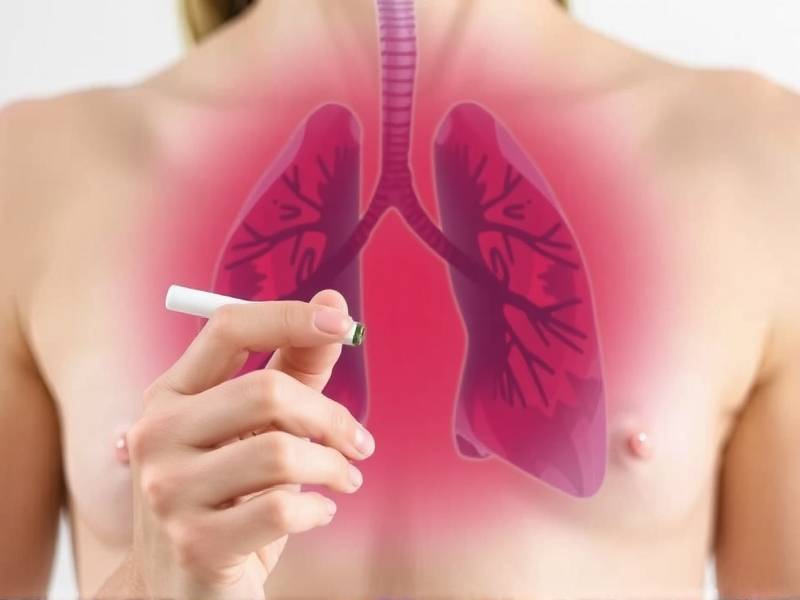
What Will a Lung Function Improve After Quitting Smoking?
The Remarkable Transformation of Lung Function Post-Quitting Smoking
Introduction: The decision to quit smoking is a significant step towards better health. Many individuals are motivated by the numerous benefits that come with quitting, including improved lung function. This article delves into the remarkable changes that occur in the lungs after smoking cessation, offering hope and inspiration to those considering taking the plunge.
1. Immediate Changes After Quitting Smoking
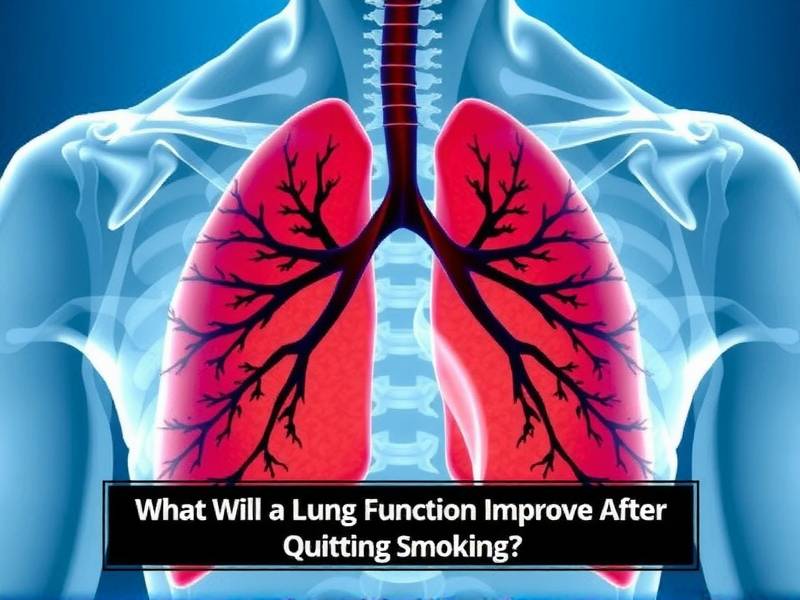
Upon quitting smoking, the body begins an immediate process of healing and recovery. Within just 48 hours, carbon monoxide levels in the blood drop significantly, allowing oxygen to flow more freely to the tissues and organs. This can lead to an improvement in energy levels and overall vitality.
2. The Gradual Improvement Over Time
The transformation of lung function after quitting smoking is a gradual process that continues over months and years.
2.1 In the First Month: Within a month of quitting, coughing and shortness of breath often decrease as the lungs start to clear out mucus and debris accumulated from smoking. The sense of taste and smell may also improve as the cilia in the lungs begin to repair themselves.
2.2 In Three Months: After three months, lung capacity increases significantly, leading to improved exercise tolerance. Many former smokers report feeling more energetic and experiencing fewer respiratory infections compared to when they were smoking.
2.3 In One Year: Within one year of quitting smoking, there is a noticeable reduction in coughing and wheezing, with fewer respiratory infections overall. The risk of heart disease also begins to decline.
2.4 In Five Years: After five years without smoking, the risk of stroke decreases significantly, similar to someone who has never smoked. Lung cancer risk also drops substantially compared to continued smokers.
3. Long-Term Benefits
The benefits of quitting smoking continue for many years after cessation:
- Decades after quitting: The risk of developing chronic obstructive pulmonary disease (COPD) decreases significantly.
- Even after decades: There is still potential for continued improvement in lung function.
Conclusion: Quitting smoking is a powerful step towards improving lung function and overall health. While it can be challenging at first, understanding the potential benefits can provide motivation for long-term success. If you're considering quitting or have recently quit, it's essential to remember that every day without a cigarette brings you one step closer to healthier lungs and a longer life.
Note: The information provided in this article is based on research from reputable sources such as the American Lung Association and other authoritative websites on tobacco control and public health.