
How Much Does Quitting Smoking Really Lower Blood Pressure?
The Real Impact of Quitting Smoking on Blood Pressure: A Comprehensive Look
Introduction: Quitting smoking is a significant step towards improving overall health. One of the most noticeable benefits of quitting is the reduction in blood pressure. However, many people are still unsure about the extent to which quitting smoking can lower blood pressure. In this article, we will explore the real impact of quitting smoking on blood pressure and provide insights into how this lifestyle change can benefit your health.
I. Understanding Blood Pressure Before we delve into the impact of quitting smoking on blood pressure, it's essential to understand what blood pressure is and why it matters.
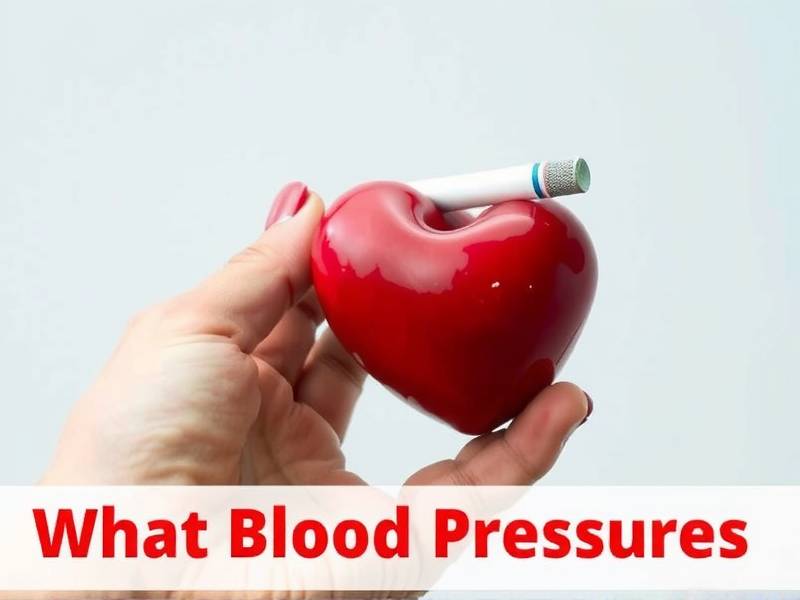
A. What is Blood Pressure? Blood pressure refers to the force exerted by blood against the walls of your arteries as your heart pumps it around your body. It's measured in millimeters of mercury (mmHg) and consists of two numbers: systolic (the higher number) and diastolic (the lower number).
B. Why is Blood Pressure Important? High blood pressure, also known as hypertension, is a leading cause of heart disease, stroke, and other health issues. Keeping your blood pressure within a healthy range is crucial for preventing these conditions.

II. The Impact of Smoking on Blood Pressure Smoking has a detrimental effect on blood pressure due to its harmful components that damage arteries and increase inflammation.
A. Nicotine's Influence Nicotine, a key component in tobacco products, causes your heart to beat faster and narrow your arteries, leading to increased blood pressure.
B. Carbon Monoxide's Role Carbon monoxide in cigarettes reduces the amount of oxygen in your bloodstream, causing your heart to work harder and raising blood pressure.
III. The Benefits of Quitting Smoking on Blood Pressure Research has shown that quitting smoking can significantly lower blood pressure over time.
A. Immediate Effects Within minutes after quitting smoking, you may experience a slight decrease in blood pressure as nicotine levels drop.
B. Long-Term Effects After several months or years of not smoking, you can expect substantial improvements in blood pressure:
- Reductions in systolic and diastolic readings.
- Lower risk for developing hypertension.
- Improved overall cardiovascular health.
IV. Factors Influencing Blood Pressure Reduction Several factors can influence how much quitting smoking will lower your blood pressure:
A. Duration of Smoking The longer you have smoked, the more significant the potential reduction in blood pressure when you quit.
B. Age at Quitting Starting to smoke at a younger age can lead to more severe damage to arteries and higher blood pressure levels later in life.
C. Other Health Factors Conditions like obesity or high cholesterol can affect how much quitting smoking helps lower your blood pressure.
Conclusion: Quitting smoking offers numerous health benefits, including lowering your risk for cardiovascular diseases by reducing high blood pressure levels over time. By understanding how smoking affects your bloodstream and recognizing the positive changes that occur after quitting, you'll be motivated to take this vital step towards better health.