
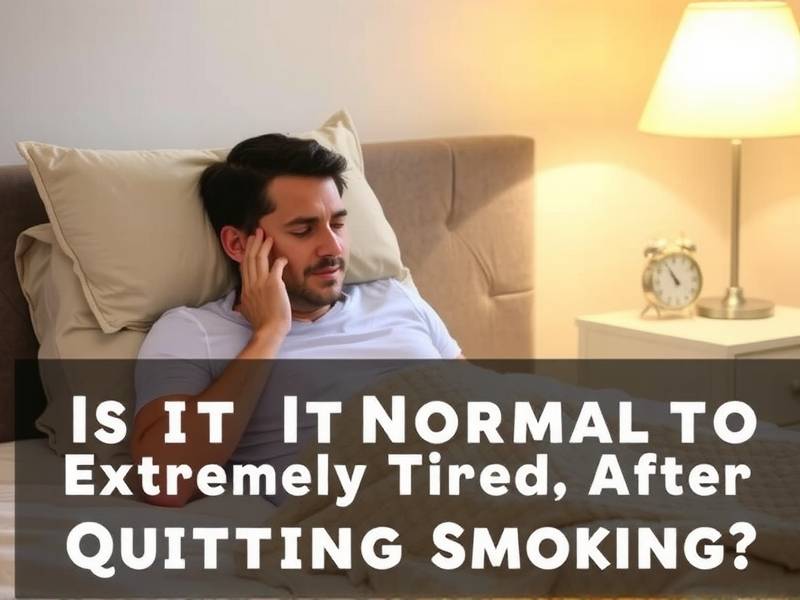
Is It Normal to Feel Extremely Tired After Quitting Smoking?
Understanding the Fatigue Post-Quitting Smoking: Is It Normal?
Introduction: The journey to quitting smoking can be challenging, with a myriad of physical and emotional symptoms. One common experience many smokers face is feeling extremely tired after quitting. But is this fatigue normal? Let's delve into the reasons behind this phenomenon and how you can cope with it.
What Causes Extreme Tiredness After Quitting Smoking?

-
Nicotine Withdrawal: Nicotine is a stimulant that keeps your body alert. When you quit smoking, the sudden absence of nicotine can lead to withdrawal symptoms, including fatigue.
-
Increased Oxygen Flow: Your body has been accustomed to dealing with the toxins in cigarettes for years. Once you quit, your body starts to cleanse itself of these harmful substances, leading to increased oxygen flow and energy production. However, this initial boost might be followed by temporary fatigue as your body adjusts.
-
Sleep Quality Improvement: Smokers often have poor sleep quality due to nicotine's stimulant effects. Quitting smoking can significantly improve sleep patterns, but it might take some time for your body to adjust to the new routine.
-
Metabolic Changes: Your metabolism may slow down temporarily as your body adjusts to no longer having nicotine in its system. This change can lead to an increase in tiredness.
-
Stress and Anxiety: Quitting smoking can be stressful and anxiety-inducing, both of which contribute to fatigue.
Is It Normal?
Yes, feeling extremely tired after quitting smoking is normal and usually a temporary symptom that will fade over time as your body adjusts to its new nicotine-free state.
How Long Does It Last?
The duration of fatigue post-quit can vary from person to person but typically lasts for a few weeks or months.
Coping Strategies:
- Get Adequate Rest: Ensure you're getting enough sleep each night and take short naps if needed during the day.
- Eat Healthy: A balanced diet rich in vitamins and minerals will help your body recover.
- Stay Hydrated: Drinking plenty of water will aid in flushing out toxins from your system.
- Exercise Regularly: Gentle exercise like walking or yoga can boost energy levels.
- Seek Support: Share your experiences with others who have quit smoking or consider joining a support group.
Conclusion:
Feeling extremely tired after quitting smoking is a common experience that usually resolves over time as your body adjusts to its new state without nicotine. By adopting healthy coping strategies, you can navigate through this phase more comfortably and continue on your journey towards a healthier life without tobacco dependence.
Note: The information provided in this article is based on general knowledge about smoking cessation and should not replace professional medical advice. Always consult with healthcare professionals for personalized guidance regarding health-related issues such as quitting smoking.