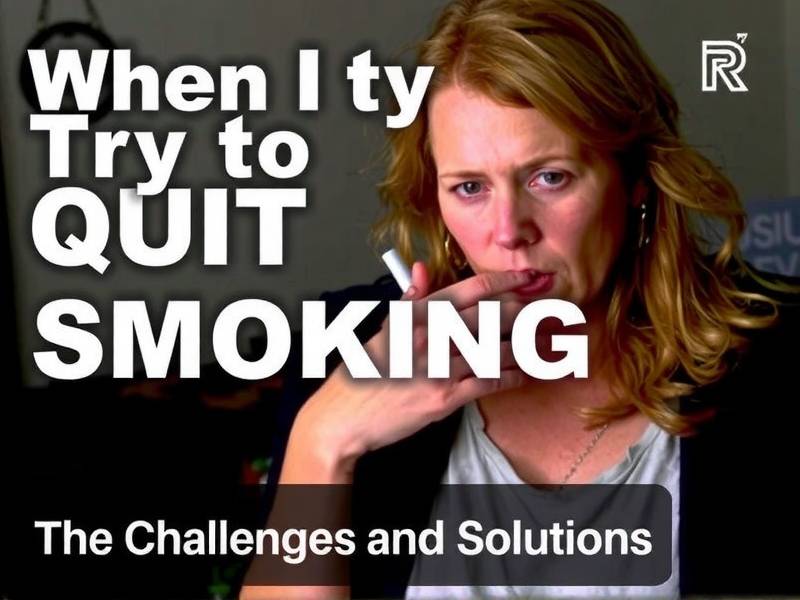
When I Try to Quit Smoking: The Challenges and Solutions
"When I Try to Quit Smoking: The Challenges and Solutions"
Introduction: Quitting smoking is a challenging endeavor for many individuals, but it's a journey that can lead to significant health improvements and a better quality of life. In this article, we will explore the common challenges faced when trying to quit smoking and provide practical solutions to help you overcome them.
I. Understanding the Challenges
-
Physical Withdrawal Symptoms When you stop smoking, your body goes through withdrawal symptoms as it adjusts to the absence of nicotine. These symptoms can include cravings, irritability, anxiety, and depression. It's important to recognize these challenges and be prepared to handle them effectively.
-
Psychological Factors Nicotine is highly addictive, not just physically but also psychologically. Many smokers find it difficult to break the habit due to psychological factors such as stress relief or habit formation. Identifying these underlying reasons can help tailor your quitting strategy.
-
Social Pressure and Temptation Social situations often present temptations for smokers who are trying to quit. Peer pressure, celebrations, and even stress can trigger cravings and make it harder to stay smoke-free.
II. Solutions for Overcoming Challenges
-
Seek Professional Support Consulting a healthcare professional or joining a support group can provide you with valuable guidance and resources during your quitting journey. They can offer personalized advice, medication options, and coping strategies.
-
Create a Quit Plan Developing a structured plan for quitting smoking can increase your chances of success. This plan should include setting a quit date, identifying triggers that lead you to smoke, and establishing coping mechanisms for cravings.
-
Substitute Habits Find alternative activities or habits that can substitute smoking when you feel the urge to smoke. Engaging in physical exercise, practicing mindfulness techniques, or engaging in hobbies can help distract you from cravings.
-
Use Nicotine Replacement Therapy (NRT) NRT products like gum, patches, lozenges, or inhalers can help alleviate withdrawal symptoms by providing controlled amounts of nicotine without the harmful effects of tobacco smoke.
-
Stay Motivated Set realistic goals for yourself and track your progress along the way. Celebrate small victories and remind yourself of the long-term benefits of quitting smoking for your health and well-being.
Conclusion: Quitting smoking is undoubtedly challenging; however, with determination and effective strategies in place, it is achievable. By understanding the challenges you may face and implementing practical solutions like seeking professional support or utilizing nicotine replacement therapy (NRT), you can increase your chances of successfully overcoming this habit for good.