
Does Quitting Smoking Affect Your Digestive System?
The Impact of Quitting Smoking on Your Digestive System
Introduction: Quitting smoking is a significant decision that can lead to numerous health benefits. One area often overlooked in the process of quitting is the digestive system. This article delves into the effects of quitting smoking on your digestive health, providing insights from various sources to help you understand how this lifestyle change can positively impact your body.
-
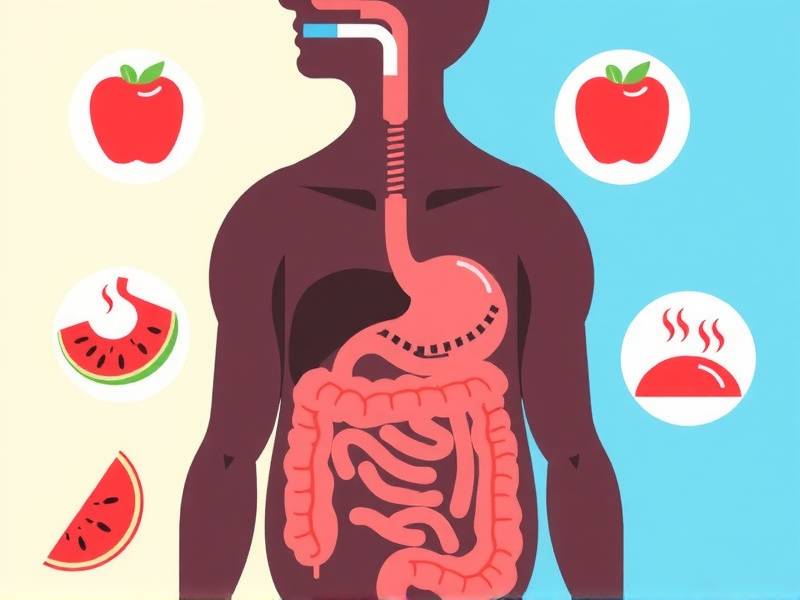
Improved Digestion: When you quit smoking, your digestive system experiences a series of positive changes. According to studies, nicotine in cigarettes can slow down the movement of food through the digestive tract, leading to constipation and indigestion. By quitting, you allow your digestive system to return to its natural rhythm, resulting in improved digestion and regular bowel movements.
-
Reduced Risk of Inflammatory Bowel Diseases: Smoking has been linked to an increased risk of inflammatory bowel diseases (IBD), such as Crohn's disease and ulcerative colitis. These conditions cause inflammation in the digestive tract, leading to abdominal pain, diarrhea, and weight loss. Quitting smoking can reduce the risk of developing IBD or alleviate symptoms for those already suffering from these conditions.
-
Enhanced Gut Bacteria Balance: The gut microbiome plays a crucial role in maintaining a healthy digestive system. Smoking has been shown to disrupt this balance by reducing beneficial bacteria and increasing harmful bacteria. When you quit smoking, your gut microbiome starts to recover, leading to improved digestion and overall health.
-
Decreased Risk of Gastroesophageal Reflux Disease (GERD): Smoking relaxes the lower esophageal sphincter (LES), which helps keep stomach acid from flowing back into the esophagus. This can lead to GERD symptoms such as heartburn and acid reflux. Quitting smoking strengthens the LES and reduces the likelihood of experiencing GERD symptoms.
-
Reduced Risk of Stomach Cancer: Smoking is a known risk factor for stomach cancer due to its ability to damage DNA in cells lining the stomach wall. By quitting smoking, you decrease your risk of developing stomach cancer over time.
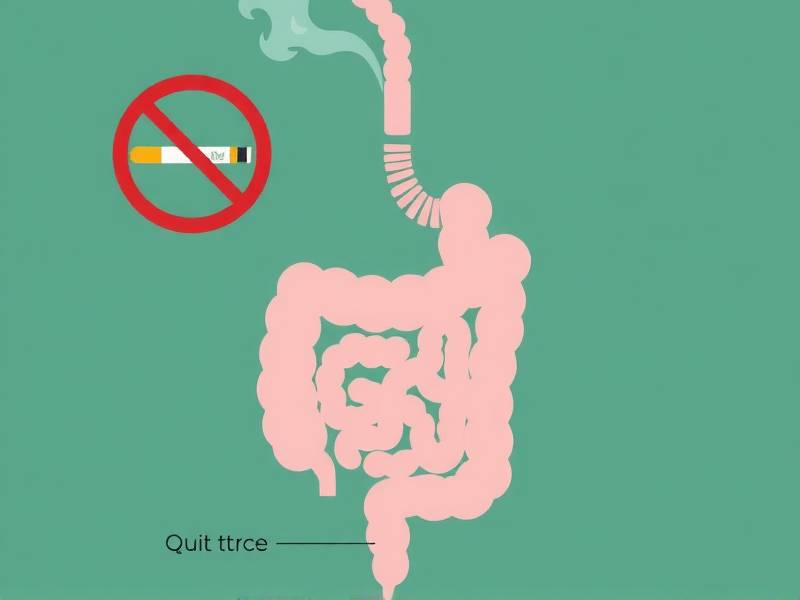
Conclusion: Quitting smoking not only improves your respiratory health but also has numerous benefits for your digestive system. From improved digestion and reduced risk of IBD and GERD to enhanced gut bacteria balance and decreased risk of stomach cancer – there are many reasons why quitting smoking is essential for maintaining a healthy lifestyle.
Remember that quitting smoking may come with challenges; however, it's worth it for both your digestive health and overall well-being. Seek support from healthcare professionals or support groups if needed, and take small steps towards a smoke-free life today!