
Does Quitting Smoking Affect Your Blood Sugar? The Science Behind the Question
Does Quitting Smoking Affect Your Blood Sugar? The Science Behind the Question
Introduction: The question of whether quitting smoking affects blood sugar levels is a common concern among smokers looking to kick the habit. While the direct link between smoking and blood sugar is not as straightforward as some might think, there are significant factors to consider. In this article, we delve into the science behind this question, exploring how quitting smoking can impact blood sugar levels and what you can do to manage them effectively.
Understanding the Connection Between Smoking and Blood Sugar
-
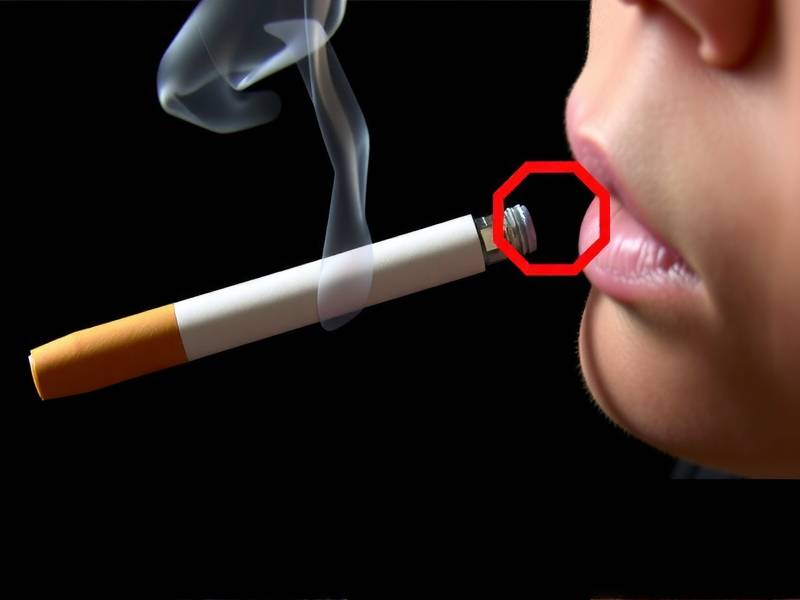
Nicotine's Effects on Blood Sugar: Nicotine, a key component of cigarettes, can have both short-term and long-term effects on blood sugar levels. When you smoke, nicotine enters your bloodstream and stimulates the release of adrenaline, which can cause a temporary increase in blood sugar levels.
-
Insulin Resistance: Long-term smoking has been linked to insulin resistance, a condition where your body's cells become less responsive to insulin, a hormone that helps regulate blood sugar levels. This can lead to higher blood sugar levels over time.
The Impact of Quitting Smoking on Blood Sugar
-
Immediate Changes: When you quit smoking, you may experience immediate changes in your blood sugar levels due to the withdrawal from nicotine. Some individuals may notice fluctuations in their blood sugar immediately after quitting.
-
Long-term Effects: In the long run, quitting smoking can have positive effects on insulin sensitivity and overall blood sugar control. Research suggests that within several months after quitting, insulin resistance may improve, leading to better blood sugar management.
Managing Blood Sugar Levels After Quitting Smoking
-
Regular Monitoring: It's essential to monitor your blood sugar levels regularly after quitting smoking. This will help you identify any potential issues early on and make necessary adjustments.
-
Healthy Lifestyle Choices: Adopting a healthy lifestyle can significantly impact your blood sugar levels after quitting smoking. Focus on maintaining a balanced diet rich in whole grains, lean proteins, fruits, and vegetables.
-
Regular Exercise: Regular physical activity can help improve insulin sensitivity and regulate blood sugar levels effectively.
-
Stress Management: Stress can affect your blood sugar levels by causing fluctuations or even spikes in glucose production. Engaging in stress-reducing activities such as meditation or yoga may be beneficial.
Conclusion:
Quitting smoking has numerous health benefits beyond just improving your heart health and reducing cancer risk; it can also positively impact your blood sugar levels. While there may be some initial challenges in managing these levels after quitting smoking, adopting healthy lifestyle choices can help ensure long-term success in maintaining optimal blood glucose control. Remember that seeking guidance from healthcare professionals is crucial when navigating any changes related to your health journey after quitting smoking.