
Can Lung Nodules Disappear If You Quit Smoking?
Introduction: Understanding Lung Nodules
Lung nodules are small, round masses of tissue that can form in the lungs. While many are benign, some may be a sign of a more serious condition. For smokers, the question often arises: can lung nodules disappear if you quit smoking? This article delves into the latest research and expert opinions to provide a comprehensive understanding of this topic.
What Are Lung Nodules?
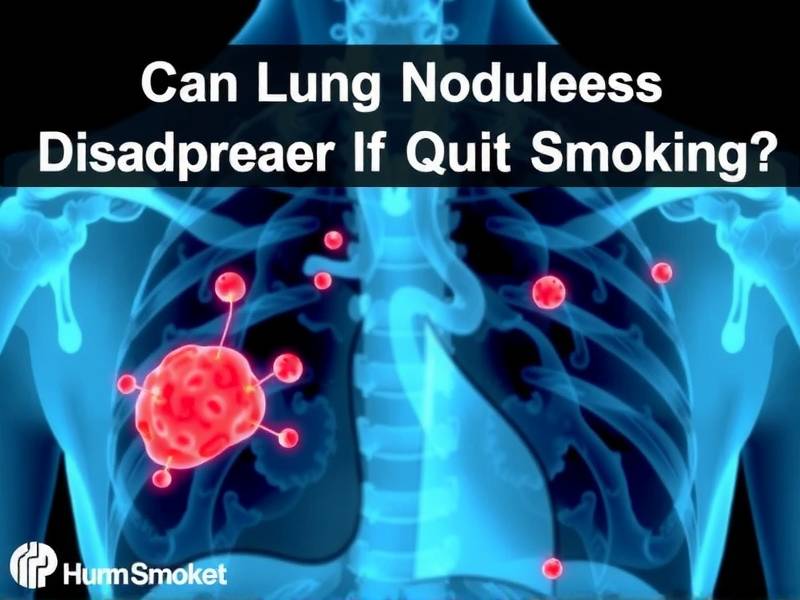
Lung nodules are typically small, measuring less than 3 centimeters in diameter. They can be detected on a chest X-ray or CT scan and may be caused by various factors, including infections, inflammation, or even cancer. For smokers, lung nodules are often associated with chronic obstructive pulmonary disease (COPD) and lung cancer.
The Impact of Smoking on Lung Nodules
Smoking is a well-known risk factor for lung nodules. The harmful chemicals in cigarettes can cause inflammation and damage to the lung tissue, leading to the formation of nodules. In some cases, these nodules may regress or disappear over time after quitting smoking.
Can Lung Nodules Disappear After Quitting Smoking?
The answer to this question is not straightforward. While quitting smoking can help reduce the risk of developing new nodules and slow down their growth, it does not guarantee that existing nodules will disappear entirely. The likelihood of regression depends on several factors:
1. Size and Type of Nodule
Smaller nodules have a higher chance of regression than larger ones. Benign nodules are more likely to regress than malignant ones.
2. Time Since Quitting Smoking
The longer you have been smoke-free, the better your chances of regression. Some studies suggest that it may take up to 10 years for significant changes to occur.
3. Overall Health
Your overall health plays a crucial role in nodule regression. Individuals with good overall health may experience more favorable outcomes.
What Should You Do If You Have Lung Nodules?
If you have been diagnosed with lung nodules, here are some steps you should take:
- Consult with Your Doctor: Discuss your diagnosis and treatment options with your healthcare provider.
- Quit Smoking: If you smoke, quitting is crucial for reducing your risk of complications and improving your chances of nodule regression.
- Follow-Up: Regular follow-up with your doctor is essential to monitor any changes in your condition.
- Lifestyle Changes: Adopting a healthy lifestyle can help improve your overall health and potentially aid nodule regression.
Conclusion
While quitting smoking can improve your chances of nodule regression, it is essential to consult with healthcare professionals for personalized advice and treatment options. Remember that early detection and proactive management play a vital role in maintaining optimal health.
By taking control of your lifestyle choices and seeking expert guidance when needed, you can work towards better health outcomes—regardless of whether those lung nodules vanish or not.